Hamburg, a global logistics powerhouse and Germany's second-largest city, has emerged as a critical hub for the orthopedic support materials factory ecosystem. Unlike traditional manufacturing zones, the Hamburg med-tech cluster benefits from the "Life Science Nord" initiative, which bridges the gap between raw material suppliers, specialized factories, and world-class surgical clinics. For a modern orthopedic support materials factory in Hamburg, the proximity to the Port of Hamburg—one of Europe's largest—ensures a seamless supply chain of high-grade medical titanium and specialized polymers.
The city's industrial status is defined by a commitment to "German Engineering" standards. Local factories focusing on orthopedic trauma implants and interventional materials are increasingly adopting Industry 4.0 practices. This includes AI-driven quality control and automated CNC machining for complex components like maxillofacial locking plates. Hamburg's commercial environment is characterized by high-tech startups collaborating with established giants to refine the bio-compatibility of orthopedic support materials.
As a leading destination for orthopedic innovation, Hamburg is at the forefront of several key industry trends:
Hangzhou Sanva Medical Co., Ltd. is a professional manufacturer specializing in sports taping and medical support solutions, dedicated to delivering high-performance products for injury prevention, rehabilitation, and clinical care. Much like the precision-driven factories in Hamburg, Sanva Medical focuses on innovation and quality.
The company develops a wide range of products including kinesiology support materials, cohesive fixation solutions, elastic adhesive systems, and advanced medical support bandaging designed for both professional athletes and healthcare providers. Backed by a skilled R&D team and modern production facilities, Sanva Medical ensures consistent product performance, skin-friendly adhesion, and superior breathability.
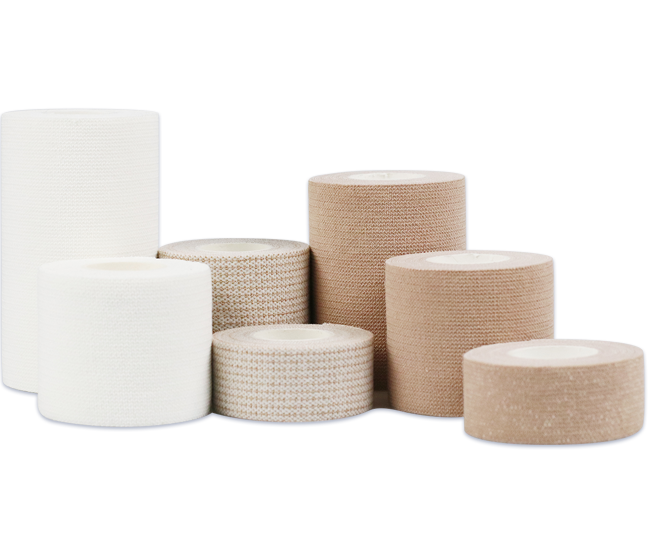
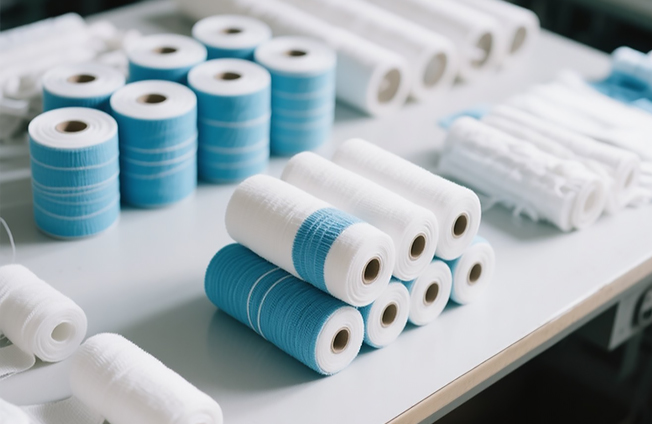
Sanva Medical serves a global customer base across sports medicine, physiotherapy, hospitals, and rehabilitation centers, offering flexible OEM and ODM services to meet diverse market needs. Its products are widely recognized for their durability, comfort, and effectiveness in muscle support, joint stabilization, and recovery enhancement. Driven by a commitment to excellence, Hangzhou Sanva Medical Co., Ltd. continues to expand its presence worldwide as a trusted partner in sports taping and medical support solutions.
The application of orthopedic support materials in Hamburg spans from intensive trauma care to elite sports rehabilitation. The University Medical Center Hamburg-Eppendorf (UKE) often utilizes advanced trauma implants manufactured locally.
Rapid response implants for multi-fracture stabilization, utilizing intramedullary femoral nails designed for the heavy load demands of European demographics.
With Germany's aging population, Hamburg factories focus on osteoporotic bone fixation materials and spinal cages like the titanium cervical cage to improve quality of life.
Professional football and sailing teams in Hamburg rely on thermoplastic splints and stretchable nylon fabrics for immediate joint support and recovery.
When discussing an orthopedic support materials factory in Hamburg, the conversation inevitably turns to metallurgy. Pure titanium and Ti-6Al-4V alloys are the gold standard. These materials offer the perfect balance of strength-to-weight ratio and osseointegration. osseointegration is the process where bone grows directly onto the surface of the implant, a critical factor for items like the pure titanium mesh.
Beyond metals, the soft-goods sector in Hamburg utilizes advanced polymers. For example, the stretchable lightweight nylon neoprene is engineered to provide compression without compromising dermal health—a key requirement for long-term recovery in clinical settings. The evolution of these materials is driven by the rigorous testing standards of the European Medical Device Regulation (MDR), ensuring that every product leaving a Hamburg facility is of the highest safety grade.
The strategic location of a factory in Hamburg allows for unparalleled access to the global market. Orthopedic support materials manufactured here are shipped to North America, Asia, and across the EU. The efficiency of the port and the integrated rail network means that large-scale orders of headless cannulated compression screws or spinal plates can be delivered with minimal lead times. This logistical advantage is why many international healthcare providers seek partnerships with Hamburg-based or Hamburg-distributed orthopedic brands.
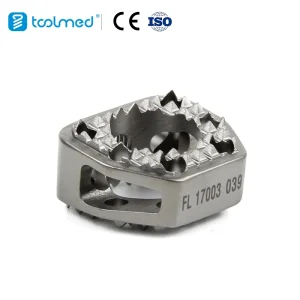
Hamburg-Tech Spine Titanium Mesh Wedge-shaped Cervical Cage Implants
Headless Cannulated Compression Titanium Screw - Hamburg Industrial Grade
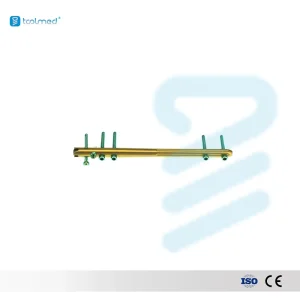
Multifunction Intramedullary Femoral Nail Hamburg Trauma Implant 11*160

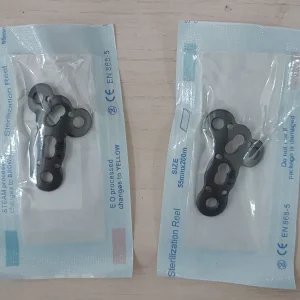
Orthopedic Hamburg Maxillofacial Locking Plate 1.0mm Titanium Material
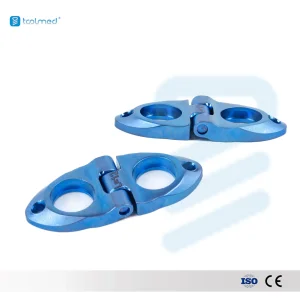
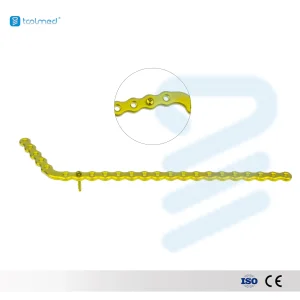
Hamburg Pediatric Hinge Locking Plate System CE/ISO Certified Titanium
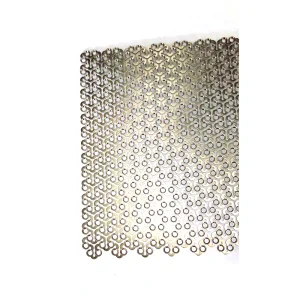
Titanium Mesh Hamburg Series with Pure Titanium Material Support
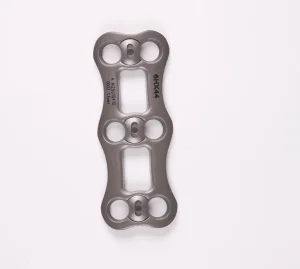
Hamburg Distributed Anterior Cervical Plate High Strength Titanium
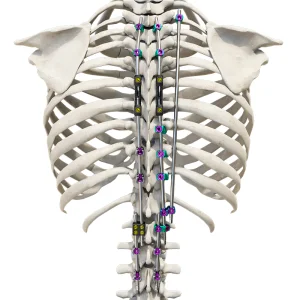
Advanced Hamburg Hybrid Material Fixation Connector for Enhanced Durability
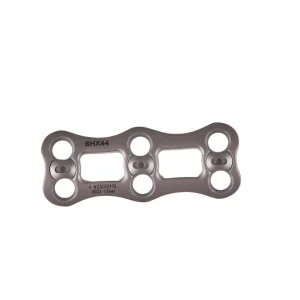
Anterior Cervical Spine Plates and Screws Hamburg Precision Titanium
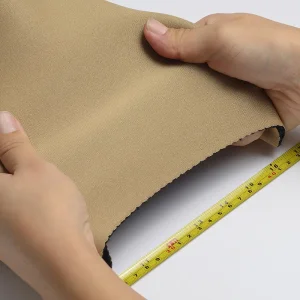
Stretchable Lightweight Hamburg Beige Nylon Neoprene for Orthopedic Braces
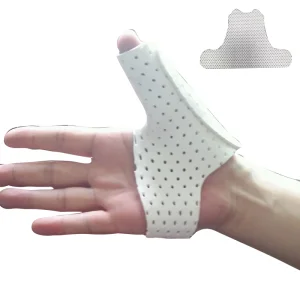
Thermoplastic Splint Hamburg Finger Splint Thumb Support Recovery
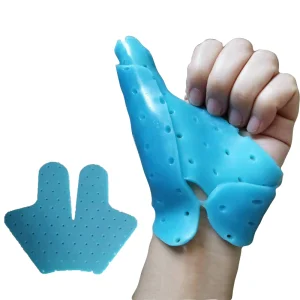
Orthopedic Hamburg Thermoplastic Finger Splint Thumb Support System
Quality control is the cornerstone of any orthopedic support materials factory in Hamburg. From the microscopic inspection of thread pitches on compression screws to the tensile strength testing of nylon fabrics, every step is documented. The integration of digital twins—virtual replicas of physical products—allows engineers in Hamburg to simulate stress and wear before a single piece of material is cut. This AI-driven approach minimizes defects and maximizes the clinical lifespan of the implants.
Furthermore, the collaborative spirit in Hamburg means that designers often work alongside surgeons to refine the ergonomics of thermoplastic splints. By understanding the real-world application, factories can produce materials that are not only technologically superior but also patient-centric, ensuring comfort during the long road to recovery.
 Sanva Medical