Functions & Features
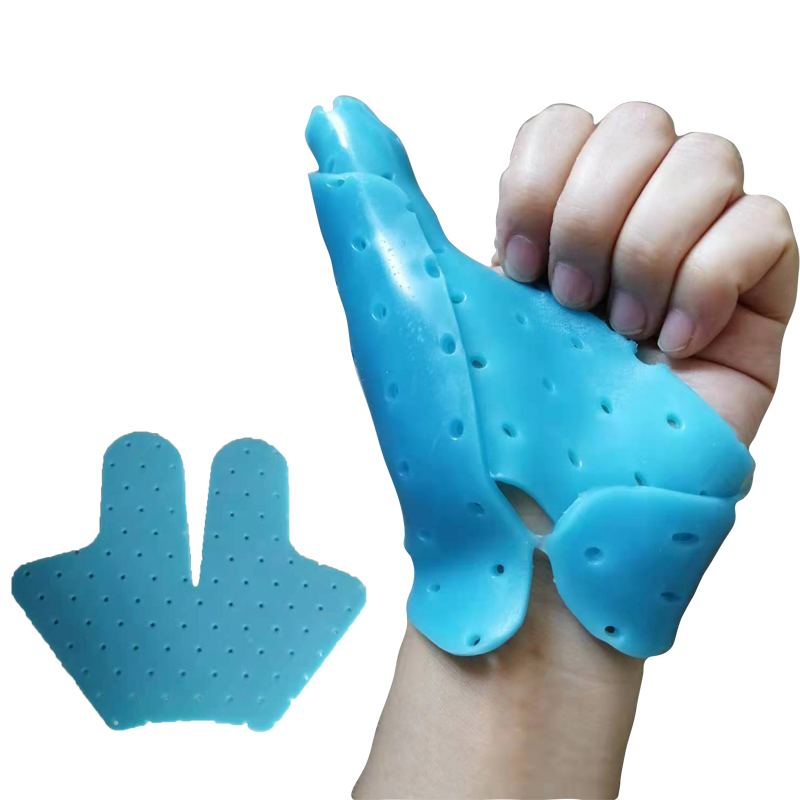
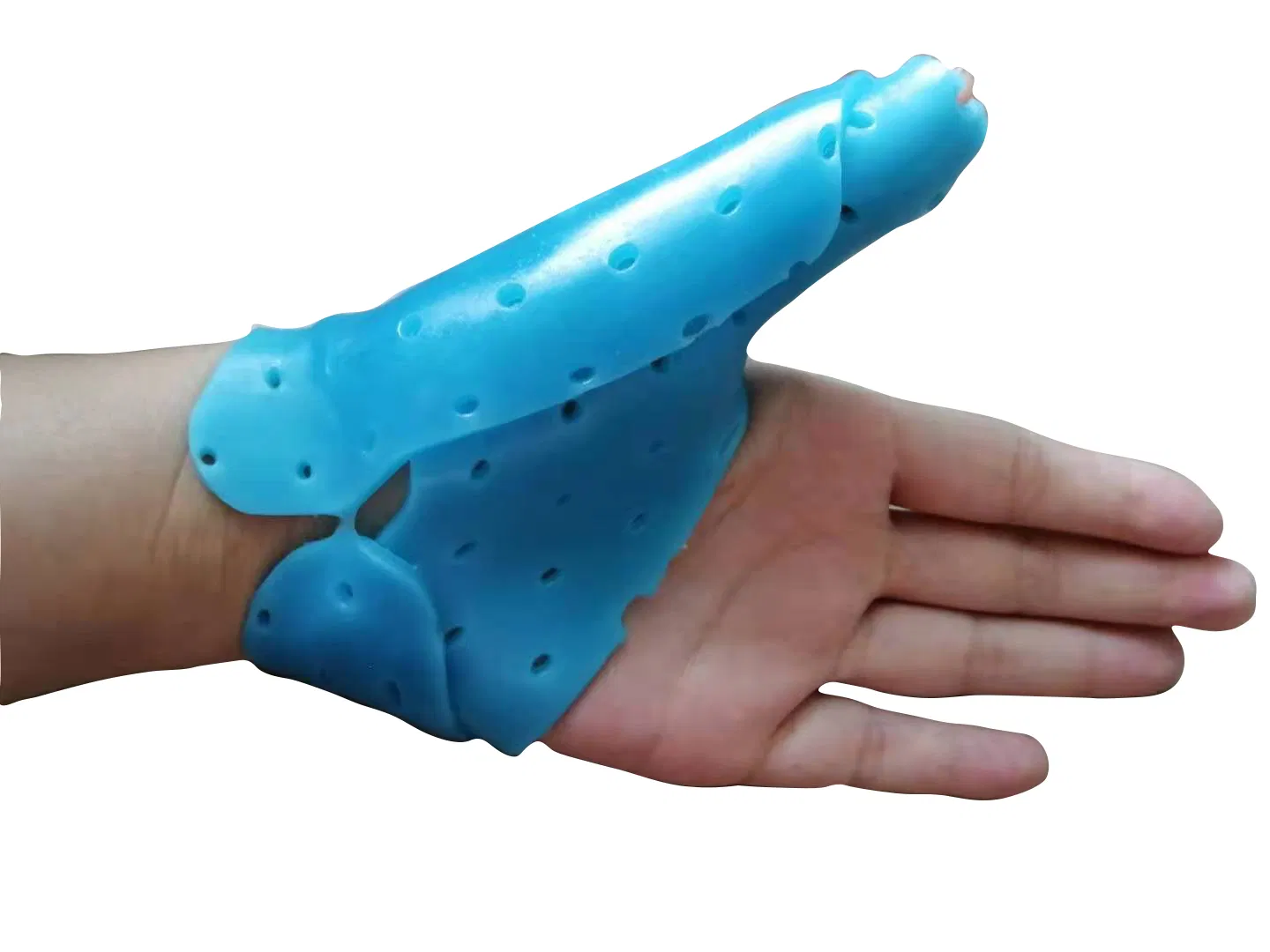
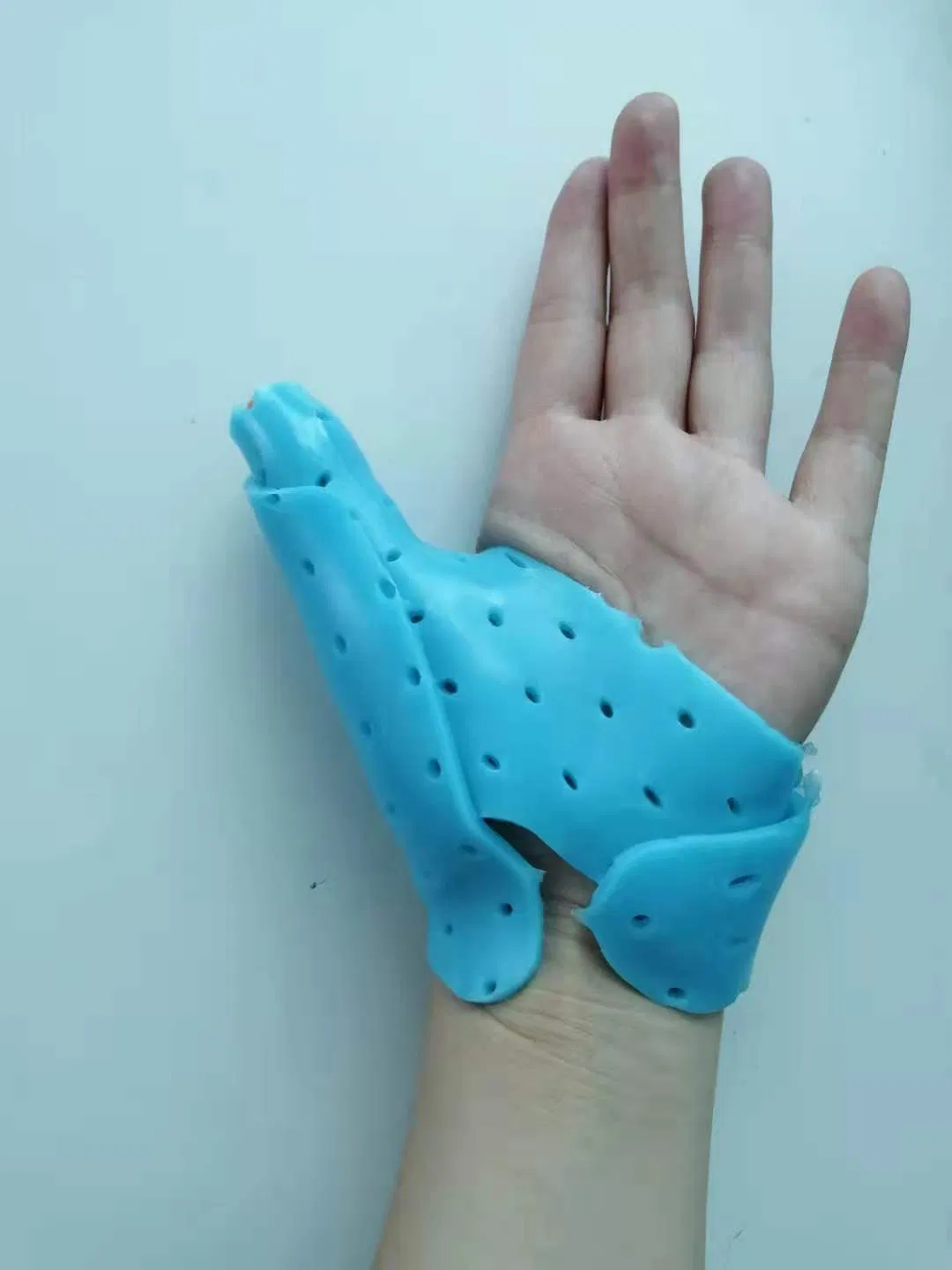
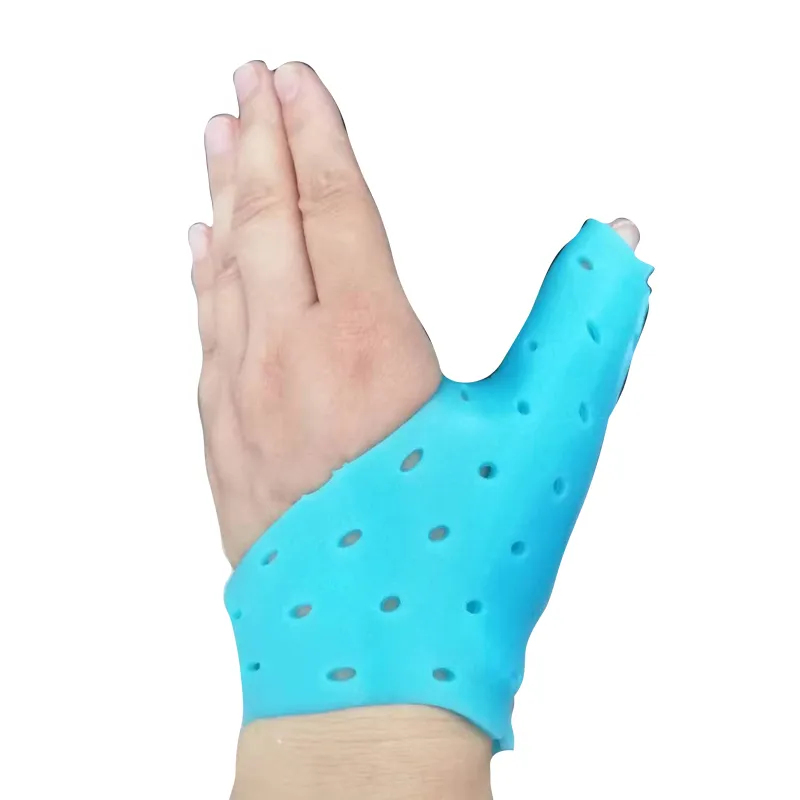
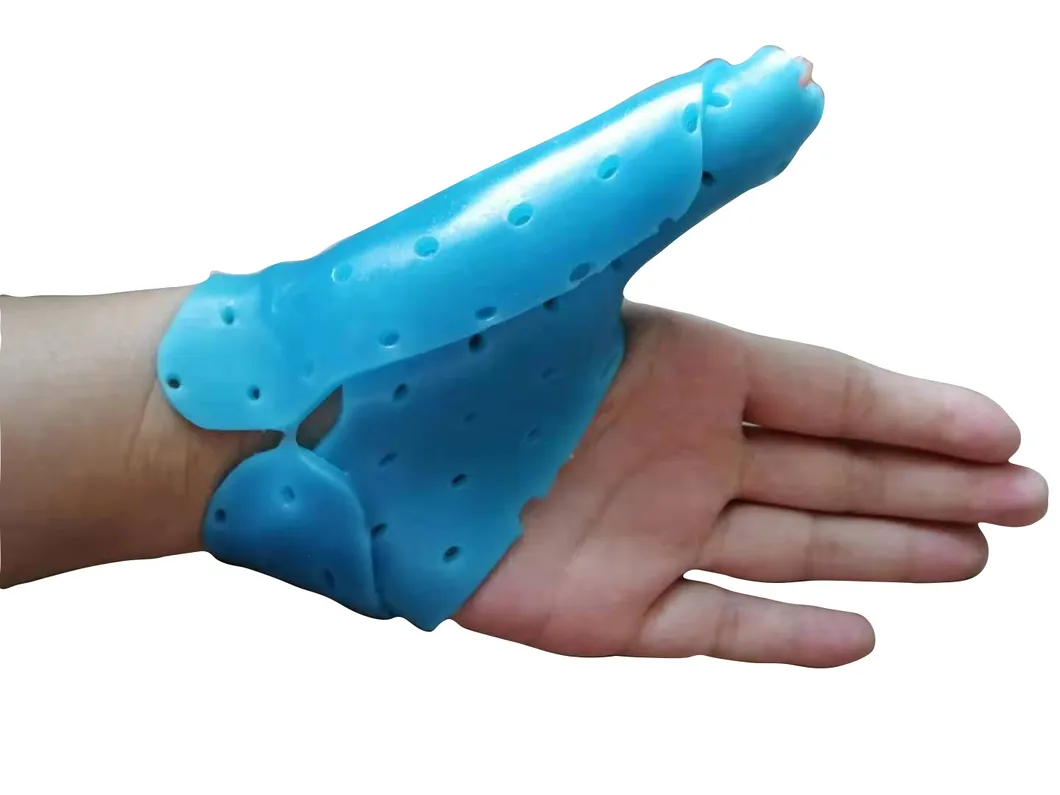
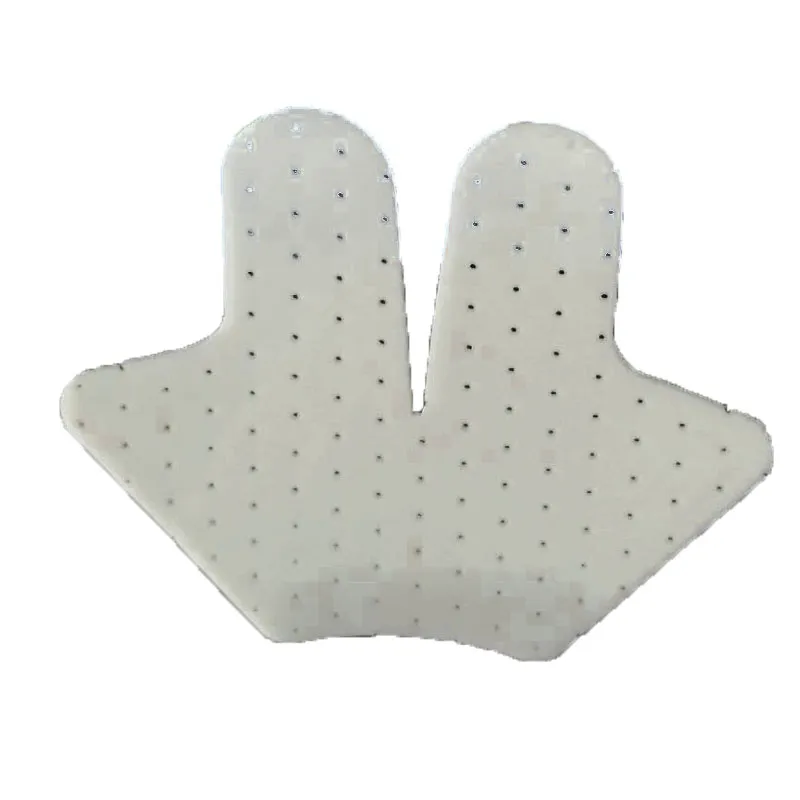
The splints are used for the fixation of the first metacarpophalangeal joint, thumb phalanx, metacarpal fracture and dislocation of wrist joint.
✨
Mouldable
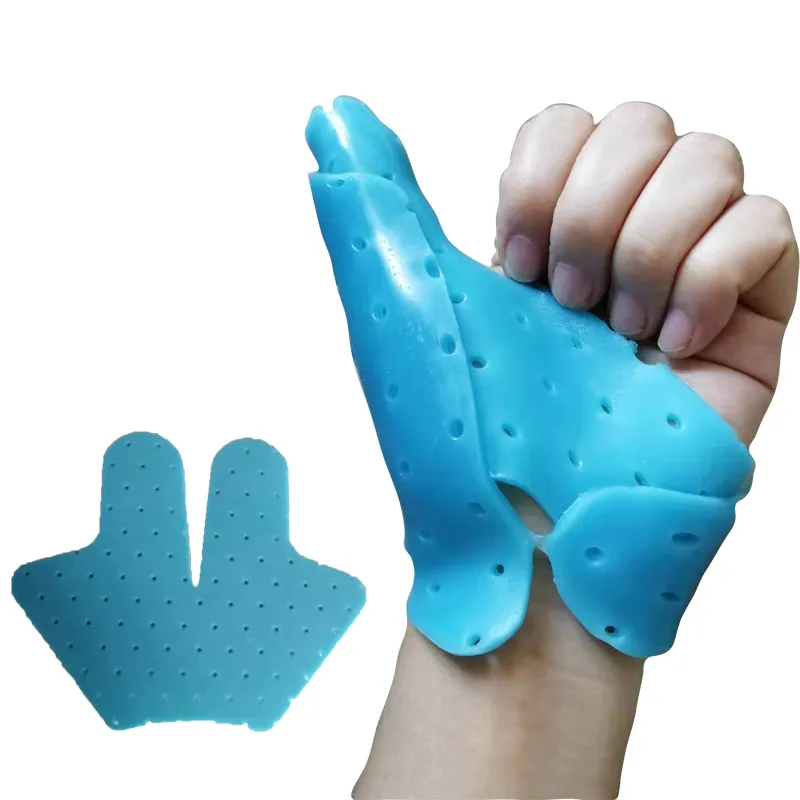
It could be moulded to the right shape after being activated in hot water.
🌬️
Breathability
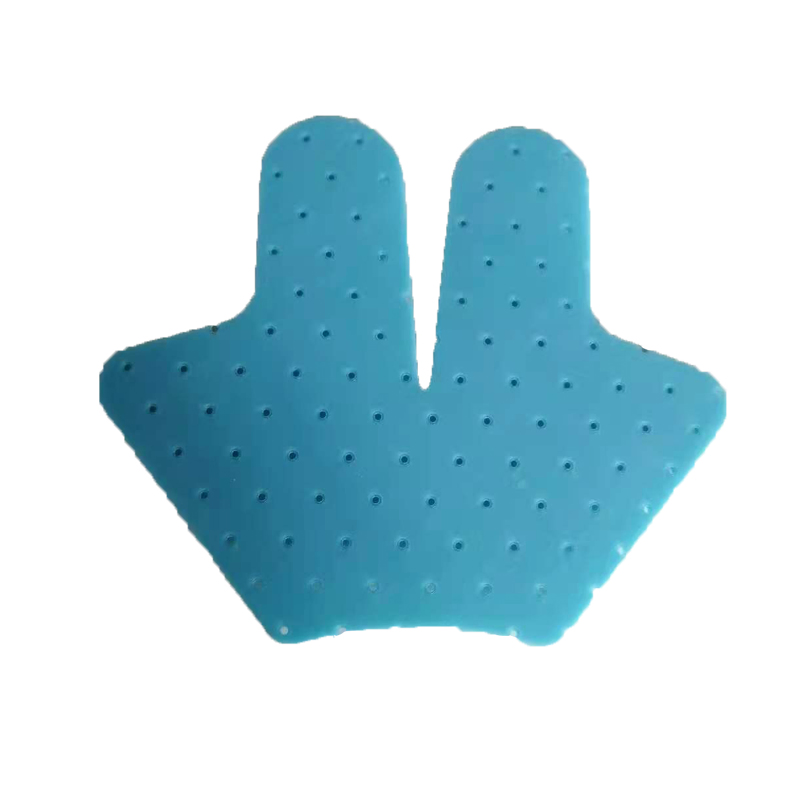
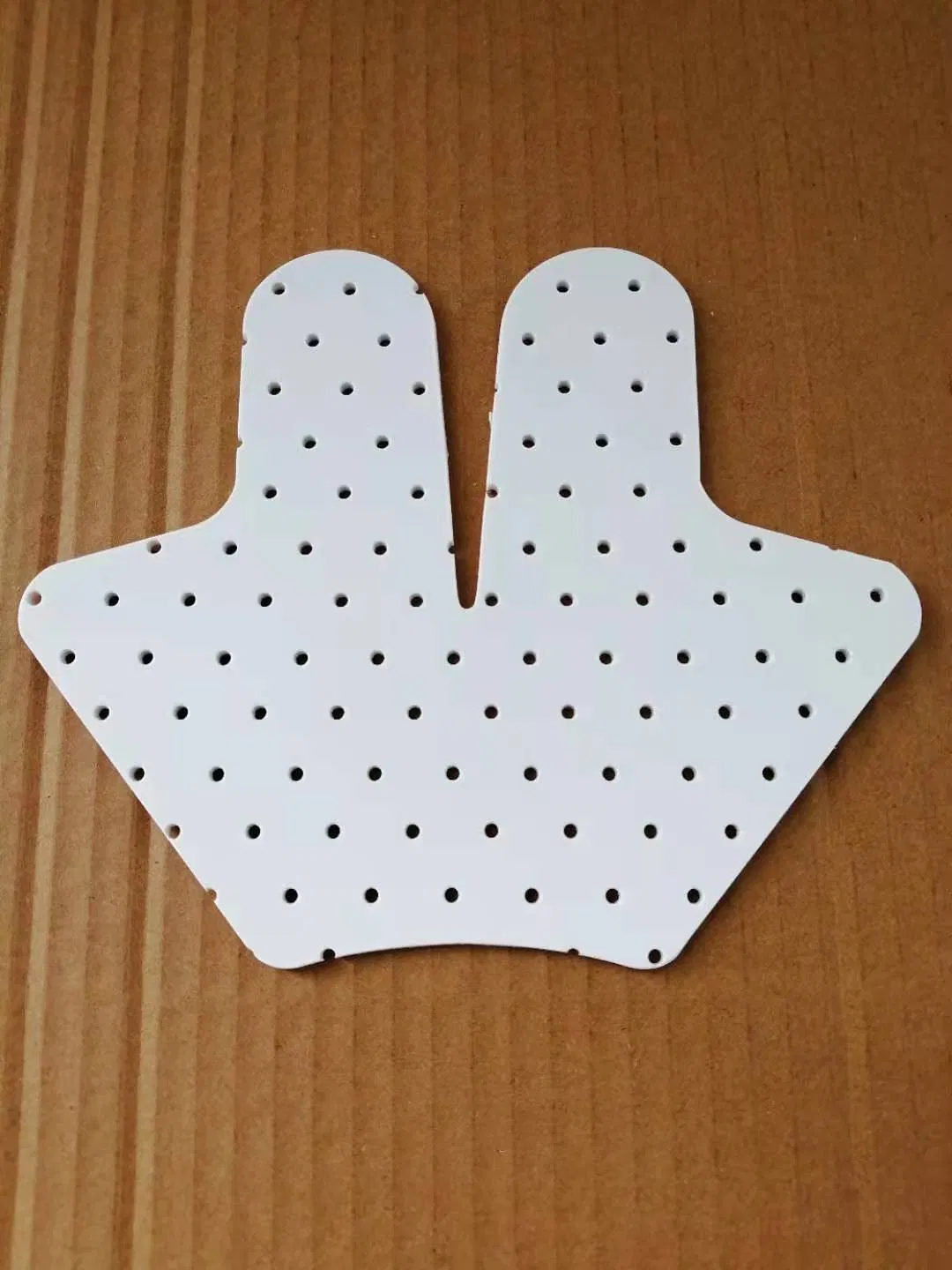
Small holes prevent itching, inflammation, and skin lesions due to prolonged confinement.
💧
Waterproof
Functions like other plastic; you can wear it to the bathroom or even swimming.
🦴
X-ray Translucent
X-rays can pass through to the skin easily during radiation therapy.
How to Use
Step 1: Place splint in 65-70°C water for 1-3 minutes or until it becomes pliable.
Step 2: Remove and blot dry with a clean towel.
Step 3: Mold the splint around the body parts (like an arm or leg) until it is the correct shape.
Step 4: As the splint cools, it will harden into a rigid, protective covering.
* Note: A thermoplastic splint is lighter than traditional plaster casts and can be removed for cleaning.
Frequently Asked Questions
1. What are the primary uses for this thermoplastic splint?
It is used for the fixation of the first metacarpophalangeal joint, thumb phalanx, metacarpal fractures, and wrist joint dislocations.
2. How is the splint different from a traditional plaster cast?
Thermoplastic splints are lighter, more easily molded to the patient's body, and can be removed for cleaning.
3. At what temperature does the material become mouldable?
The material becomes pliable and mouldable when placed in water heated to between 65-70°C for 1 to 3 minutes.
4. Can I shower or swim while wearing the splint?
Yes, the material is waterproof. However, ensure you do not expose it to temperatures above 65°C, as it may soften.
5. Is the splint skin-friendly for long-term use?
Yes, it features perforated holes for breathability, which helps prevent itching and skin inflammation during prolonged wear.
6. Can I take an X-ray without removing the splint?
Yes, the material is X-ray translucent, allowing X-rays to pass through easily for medical imaging.