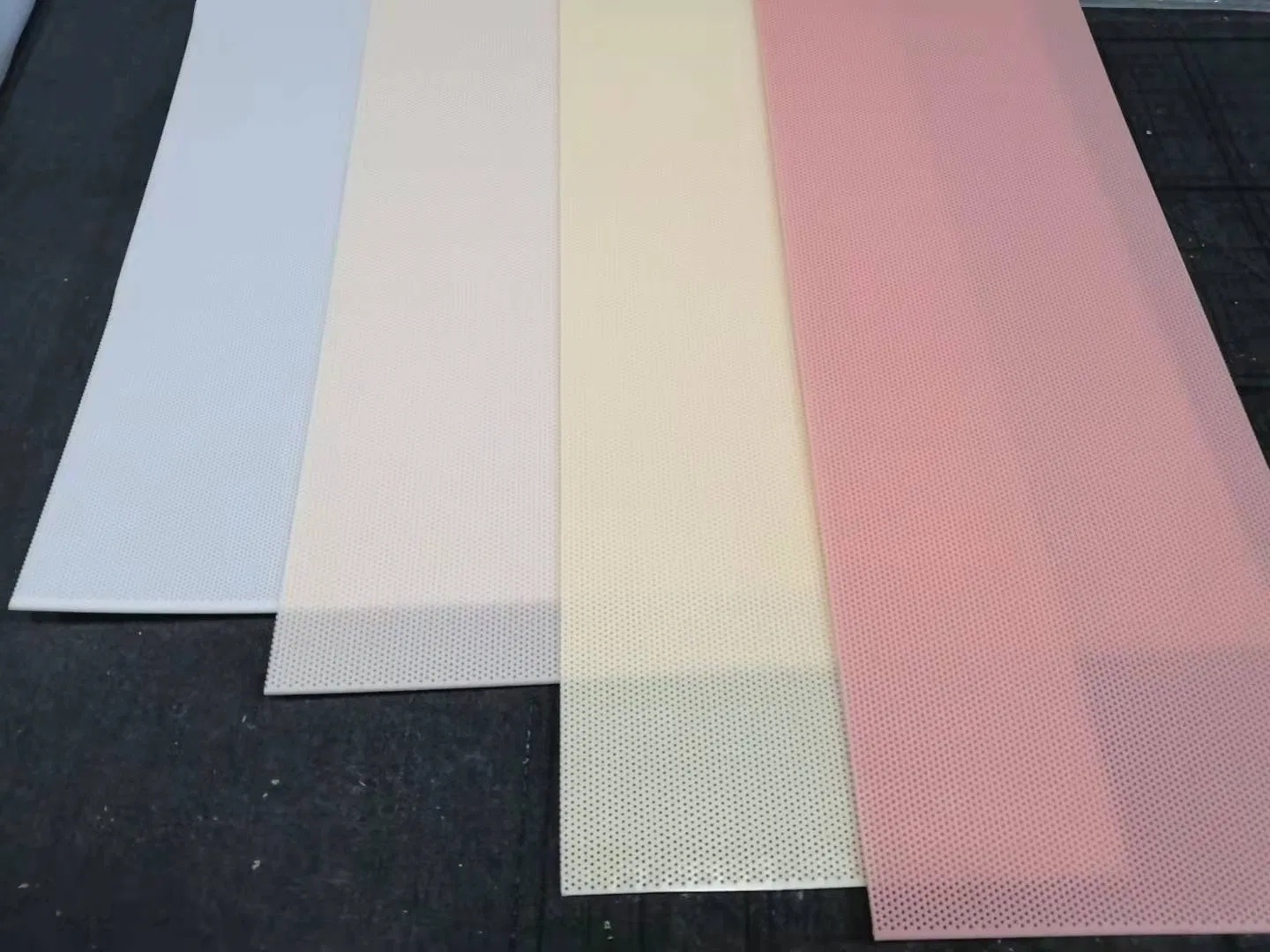
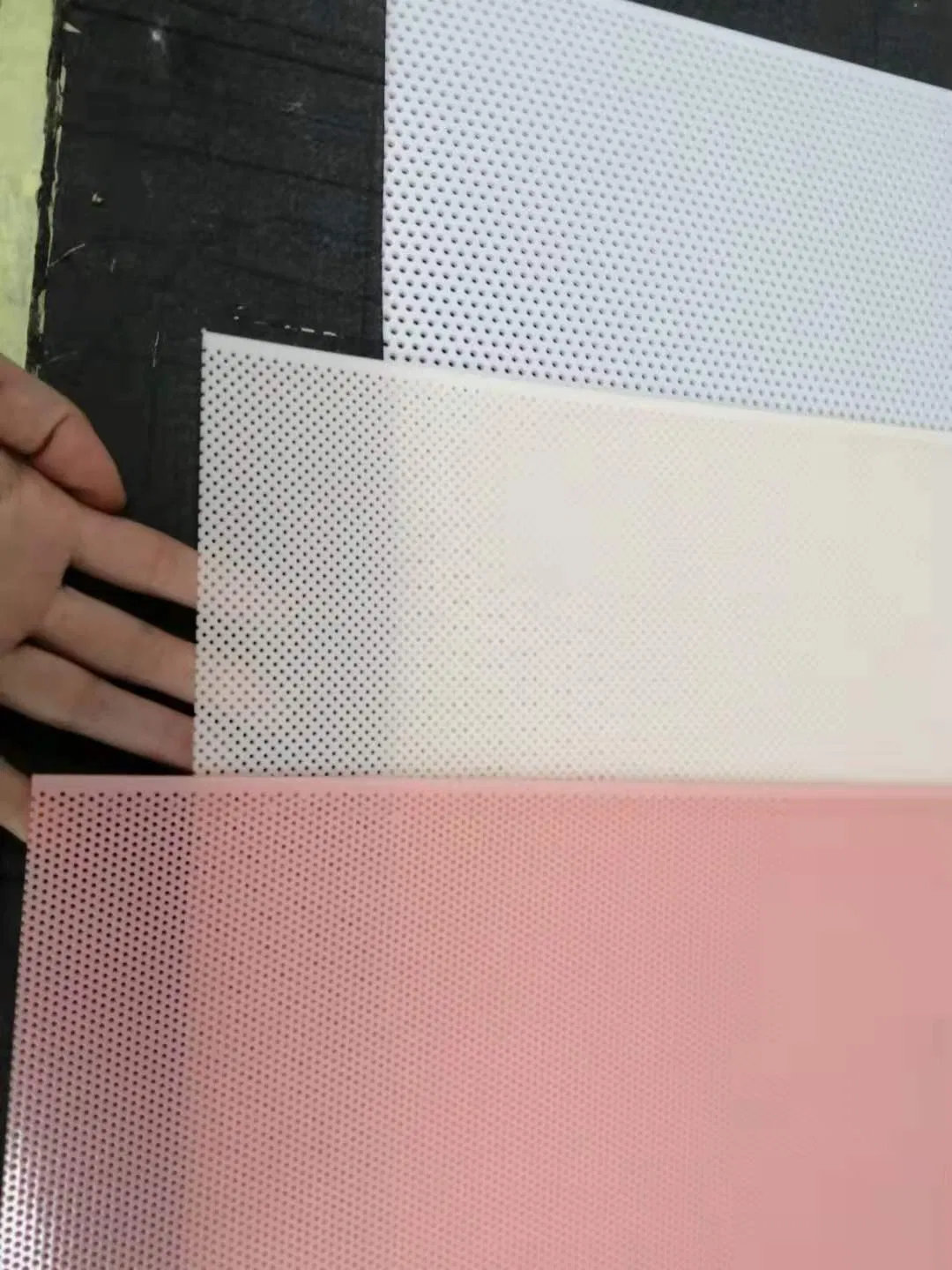
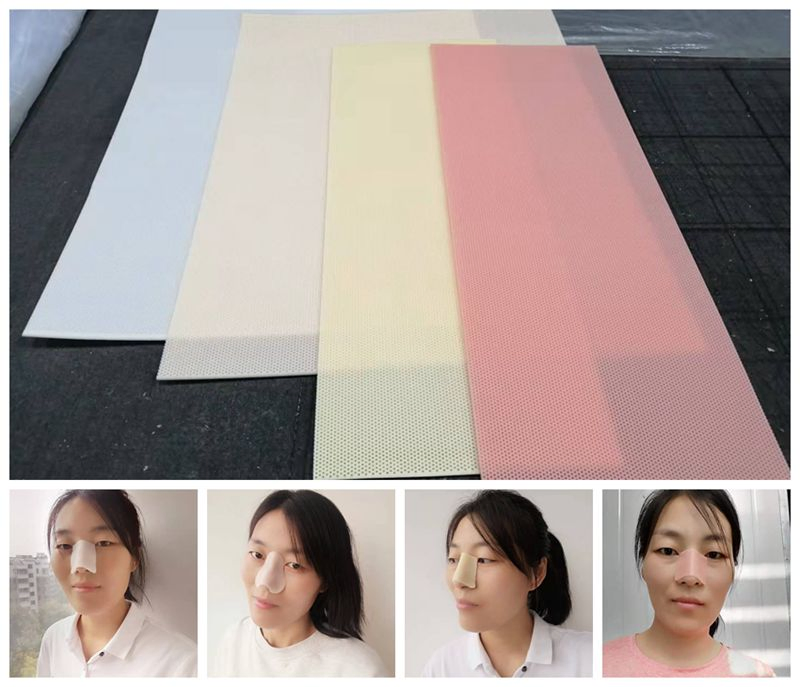
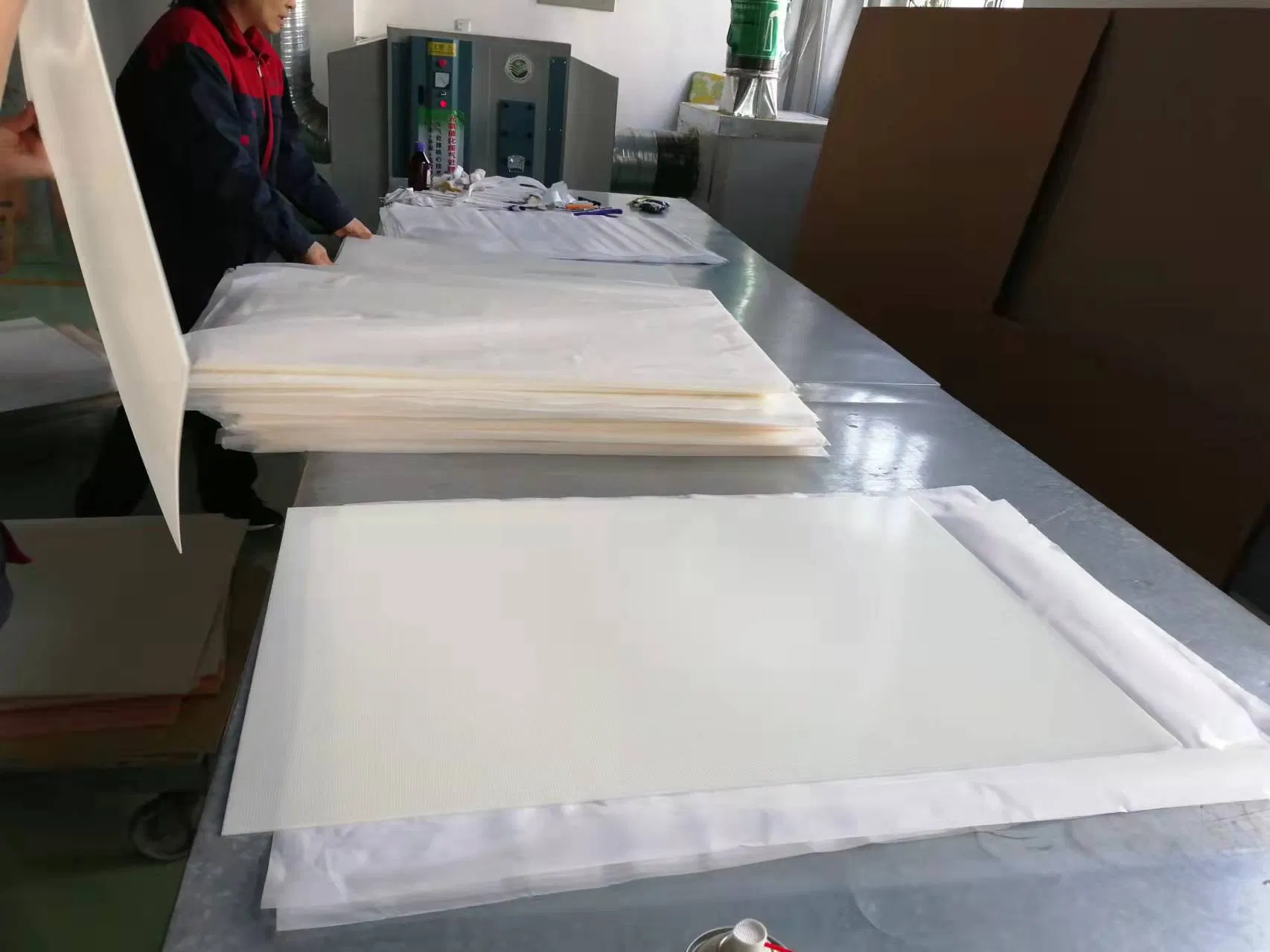
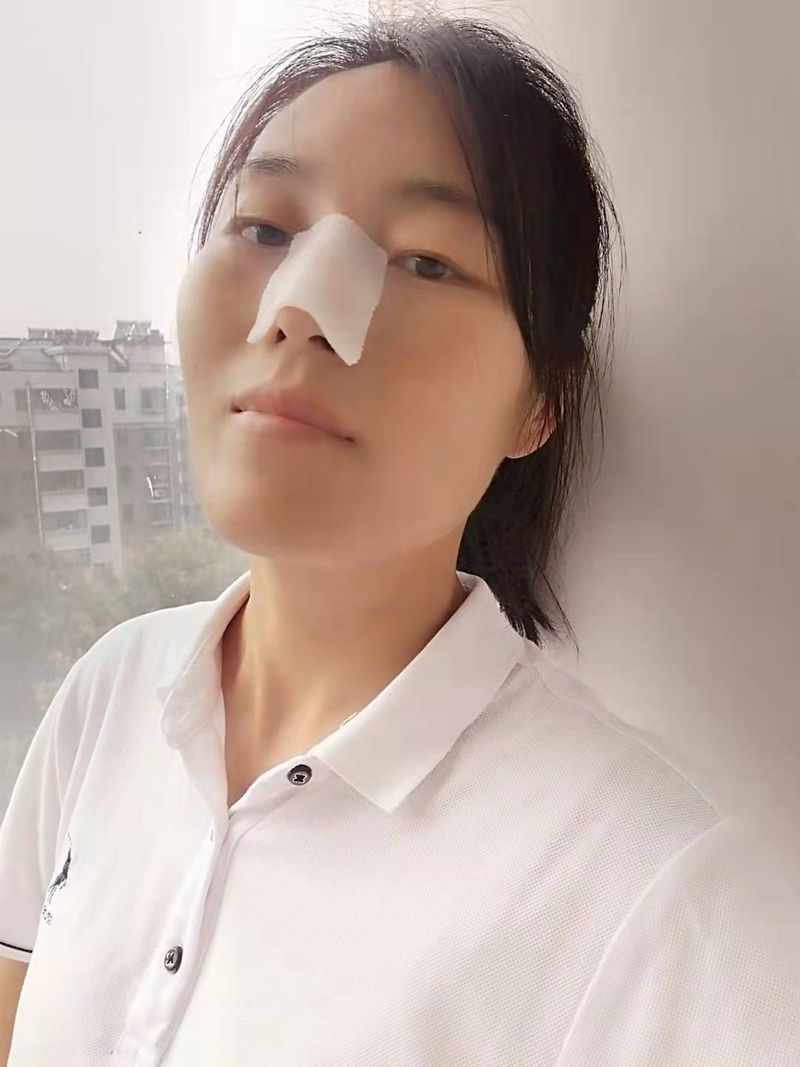
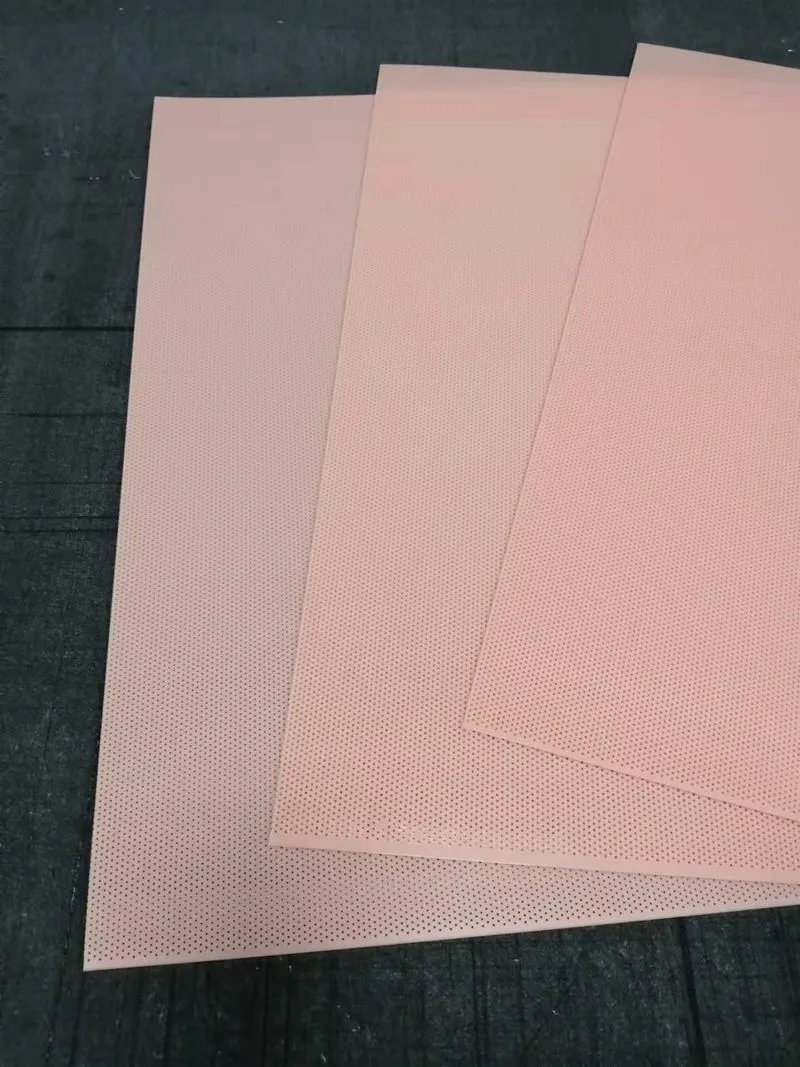
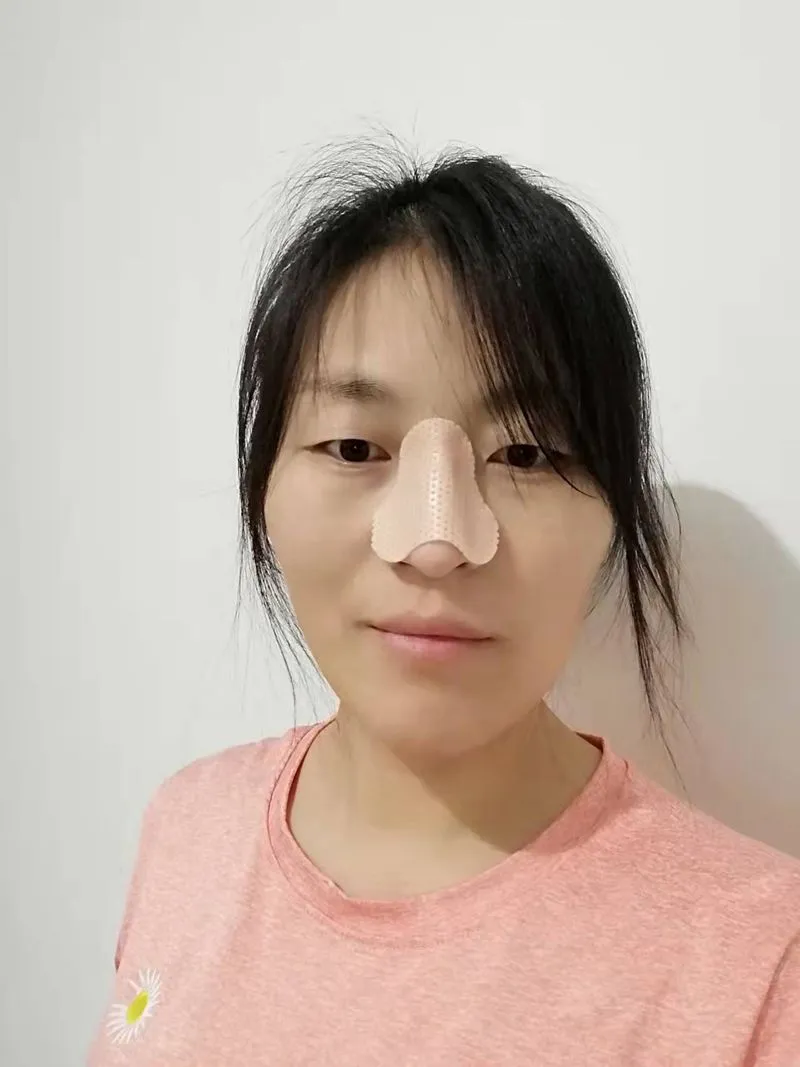
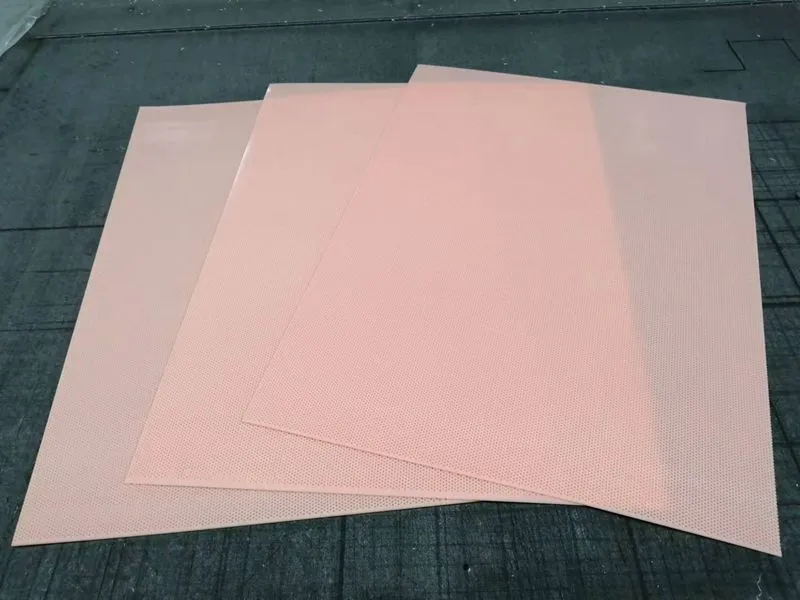
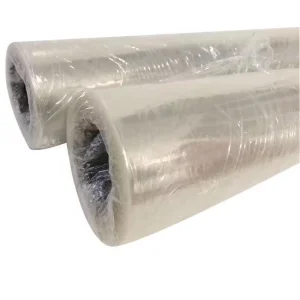
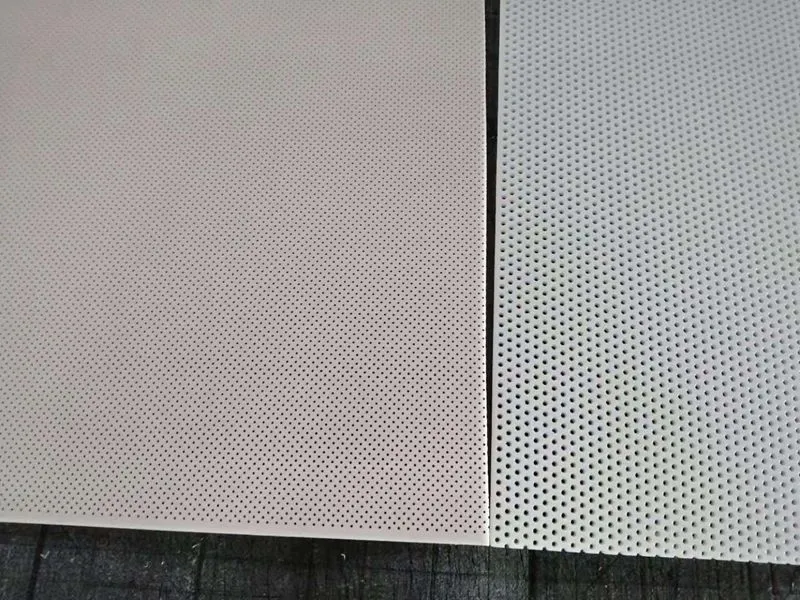
Perforated Thermoplastic Board in Post-Rhinoplasty Surgery Nose Splint Material
Thickness:
1.6mm / 2.0mm / 2.4mm
Perforation:
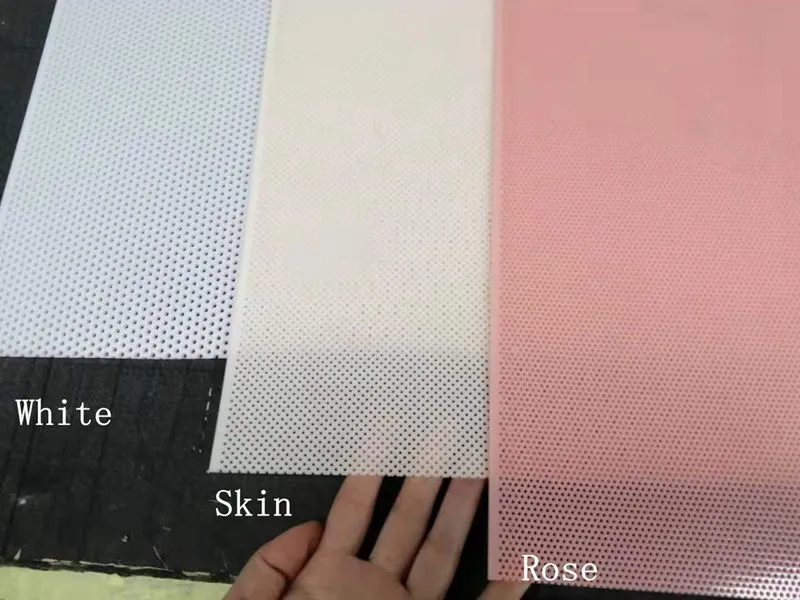
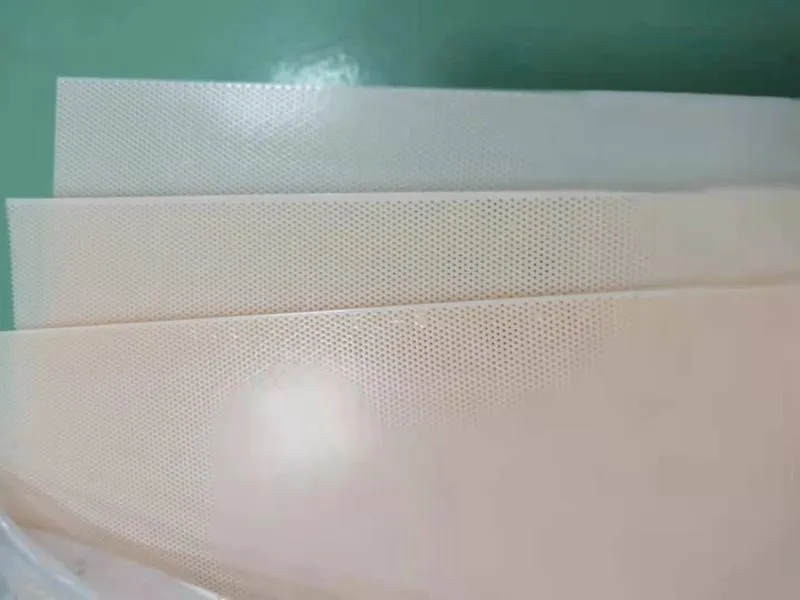
Micro-perforated / Customized
Colors:
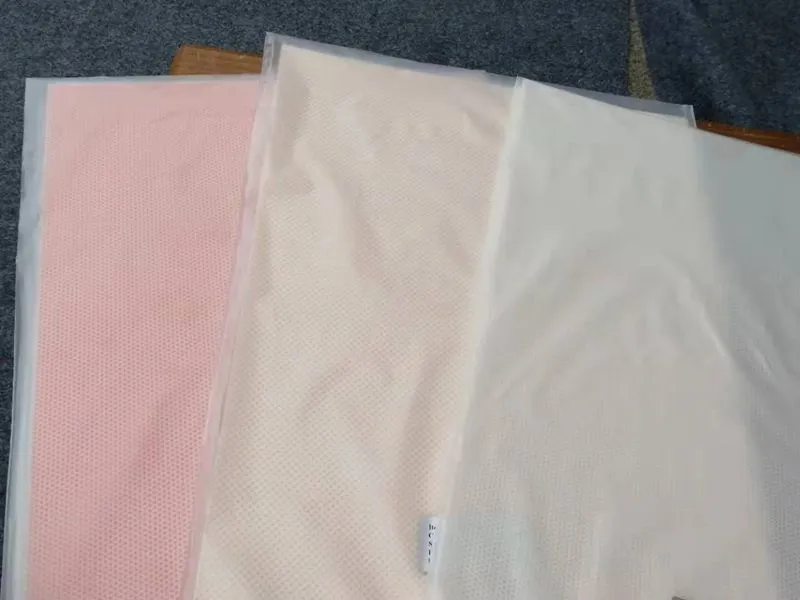
Original, White, Blue, Light Pink, Customized
1
Mouldable Flexibility
Can be molded to the perfect anatomical shape after activation in hot water.
2
Enhanced Breathability
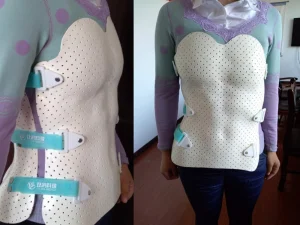
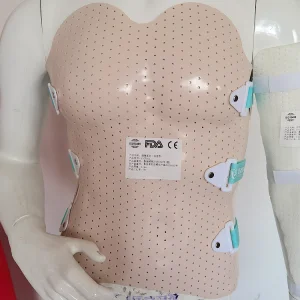
Micro-perforations prevent itching, inflammation, and skin lesions during prolonged use.
3
100% Waterproof
Durable plastic properties allow for use in the bathroom or during swimming without losing integrity.
4
X-ray Translucent
Allows X-rays to pass through easily during therapy without the need for removal.
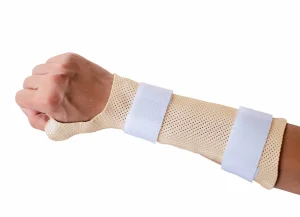
A thermoplastic splint is an advanced device used to immobilize, protect, and support injuries such as fractures, sprains, and strains. Compared to traditional plaster casts, these splints are significantly lighter, easily molded to the patient's body, and removable for hygiene maintenance.
How to Use?
1. Place the splint in 65-70°C water for 1-3 minutes until pliable.
2. Remove and blot dry with a clean towel.
3. Mold the splint around the specific body part (arm, leg, or nose).
4. As it cools, it will harden into a rigid, protective structure.
Frequently Asked Questions
1. What water temperature is needed to activate the material?
The thermoplastic board should be placed in water heated to 65-70°C (149-158°F) for approximately 1-3 minutes.
2. Is the splint breathable for long-term wear?
Yes, the perforated design allows for excellent air circulation, which helps prevent skin irritation, itching, and inflammation.
3. Can I take a shower while wearing this splint?
Absolutely. The material is completely waterproof. You can wear it in the bathroom or even while swimming.
4. Do I need to remove the splint for X-ray examinations?
No, the material is X-ray translucent, meaning it does not interfere with radiation therapy or diagnostic imaging.
5. Is it lighter than traditional plaster?
Yes, thermoplastic splints are much lighter and less bulky than traditional plaster casts, offering better comfort for the patient.
6. Can the splint be reshaped if the initial molding isn't perfect?
Yes, one of the primary benefits is that it becomes pliable again when reheated, allowing for adjustments to ensure a perfect fit.
 Sanva Medical