Low-Temperature Thermoplastic Splinting Material 1.6mm/2.0mm/2.4mm for External Nasal Splint

Still deciding? Get samples of $ !
Request Sample

Product Description

Basic Information

Model NO.
AJY-PB
Condition
New
Usage
Correct Deformities, Fracture Fixation
Using Site
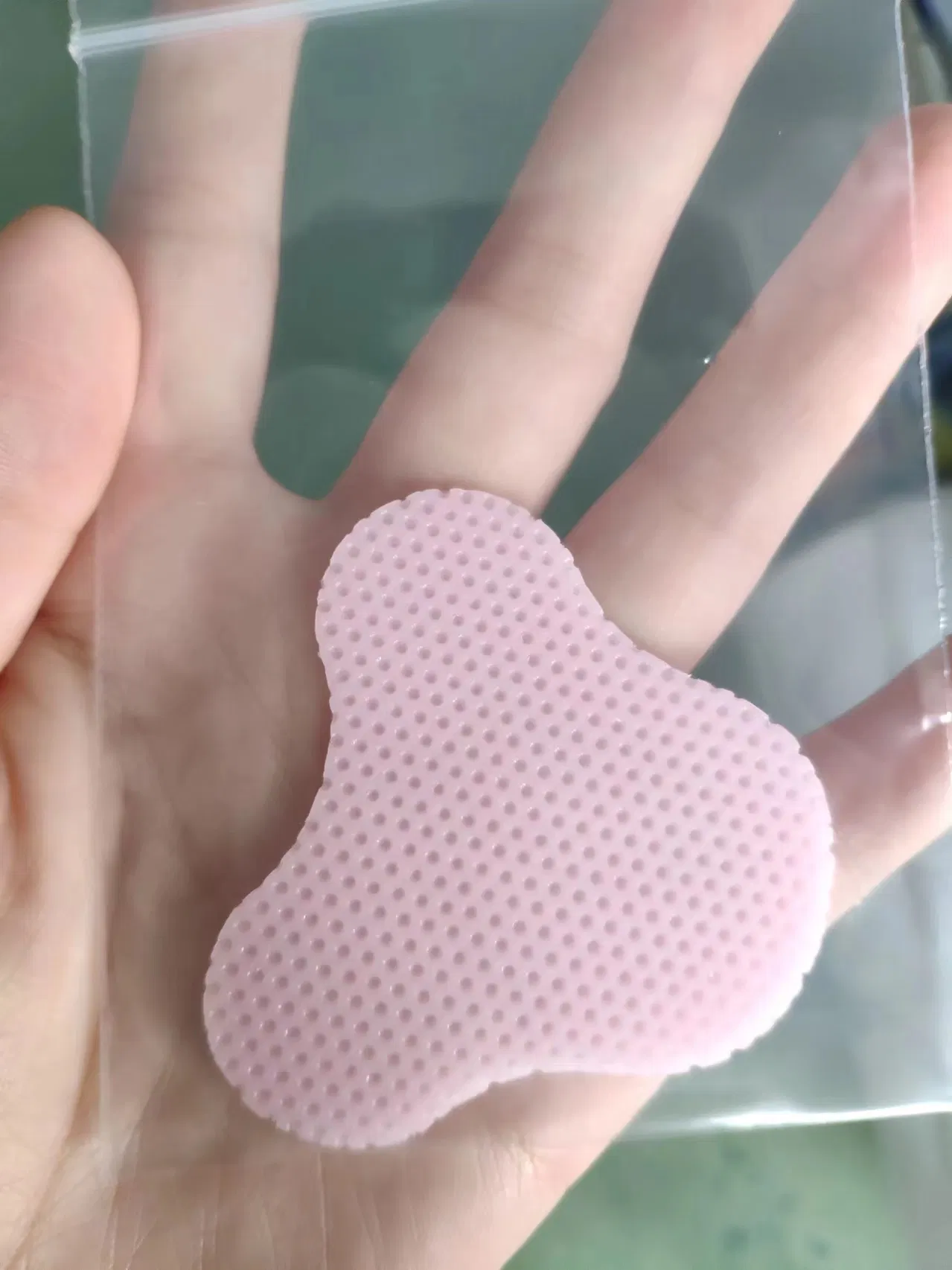
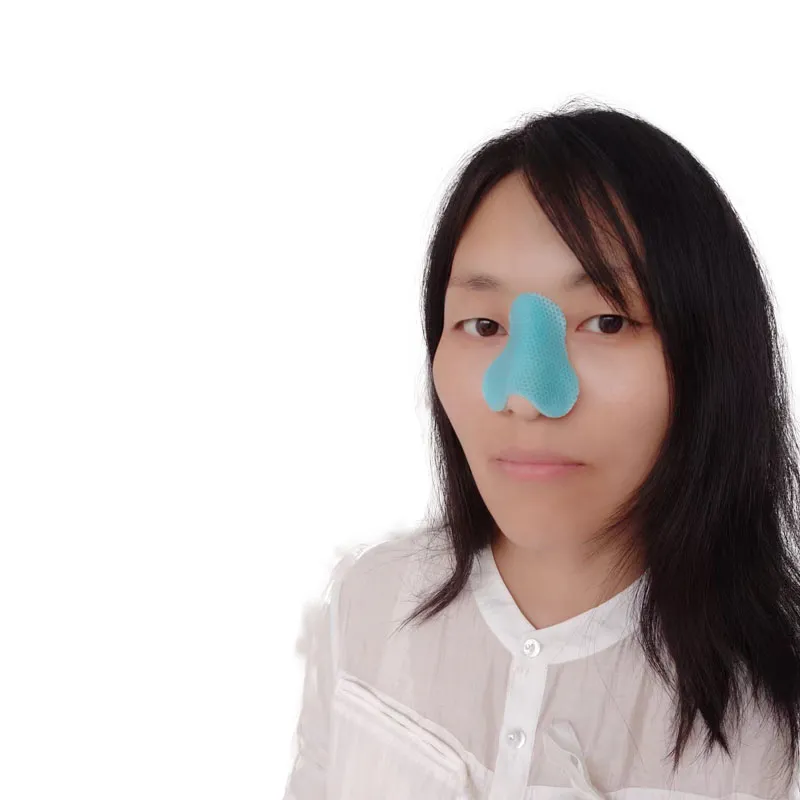
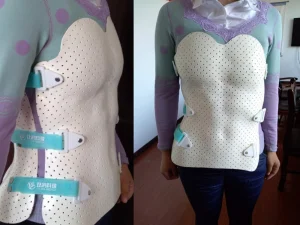
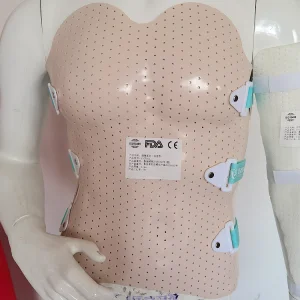
Vertebra, Shoulder&Neck, Waist, Nose Splint
Type
Splint Fixation
Name
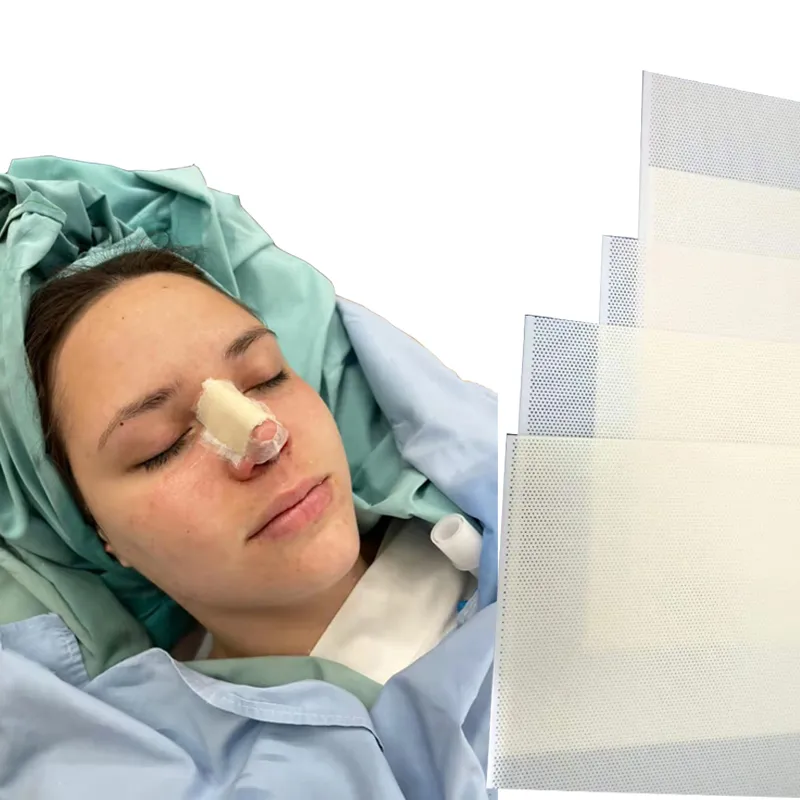
Thermoplastic Nasal Splint Sheet
Material
TPE
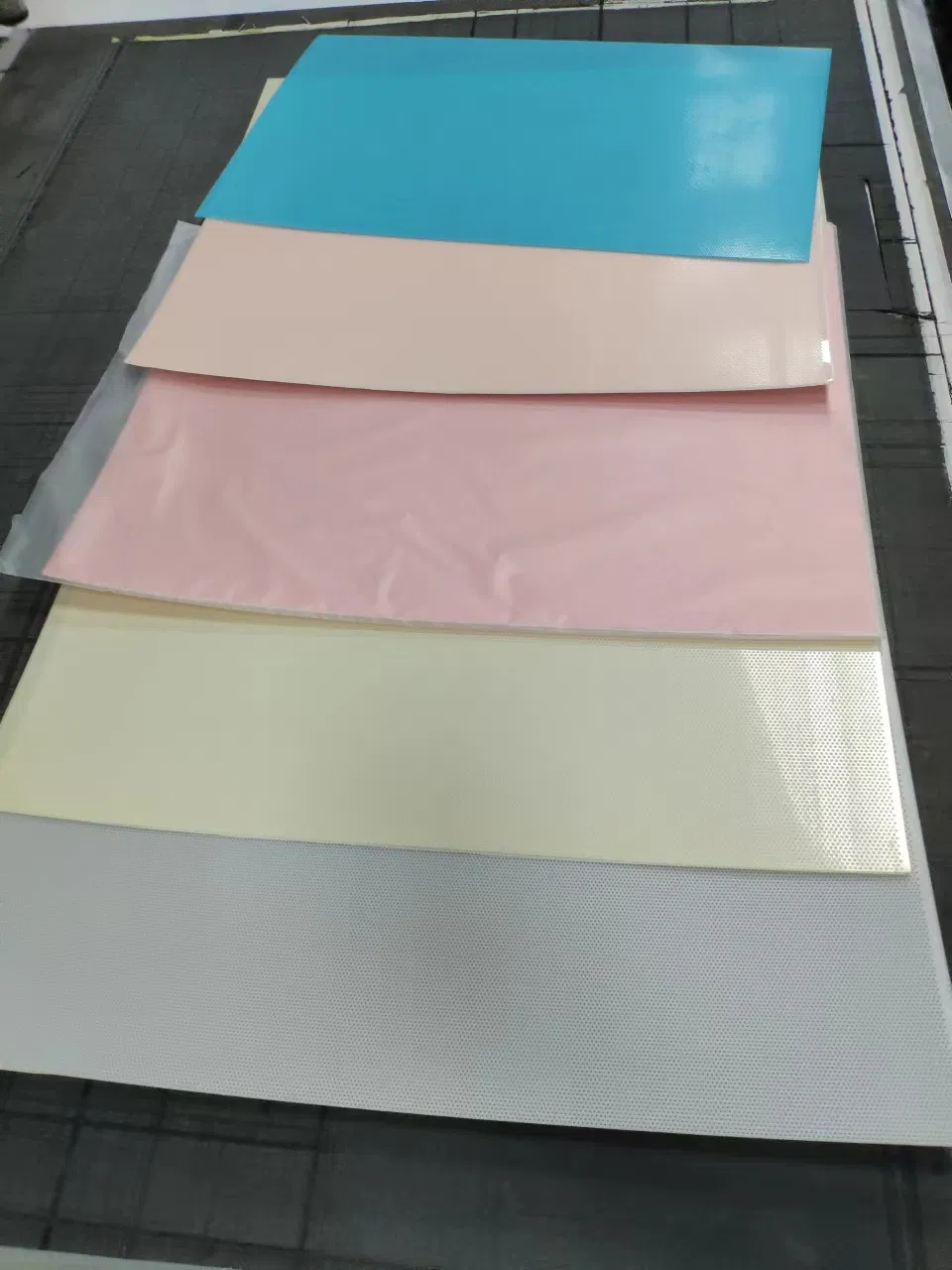
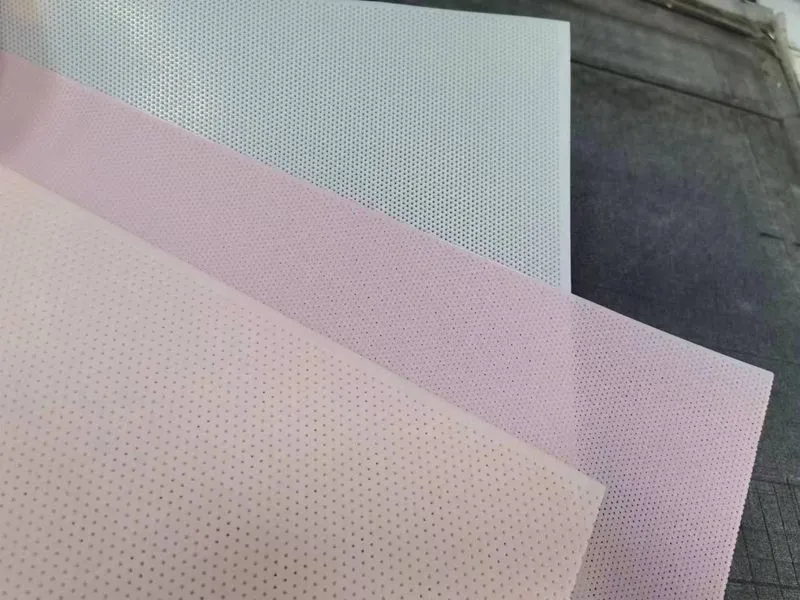
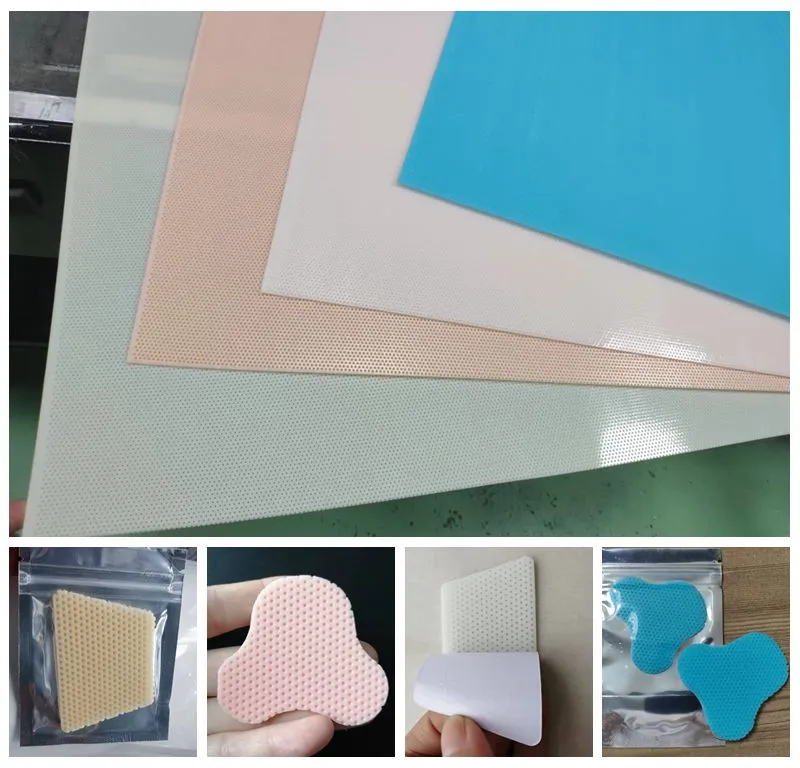
Color
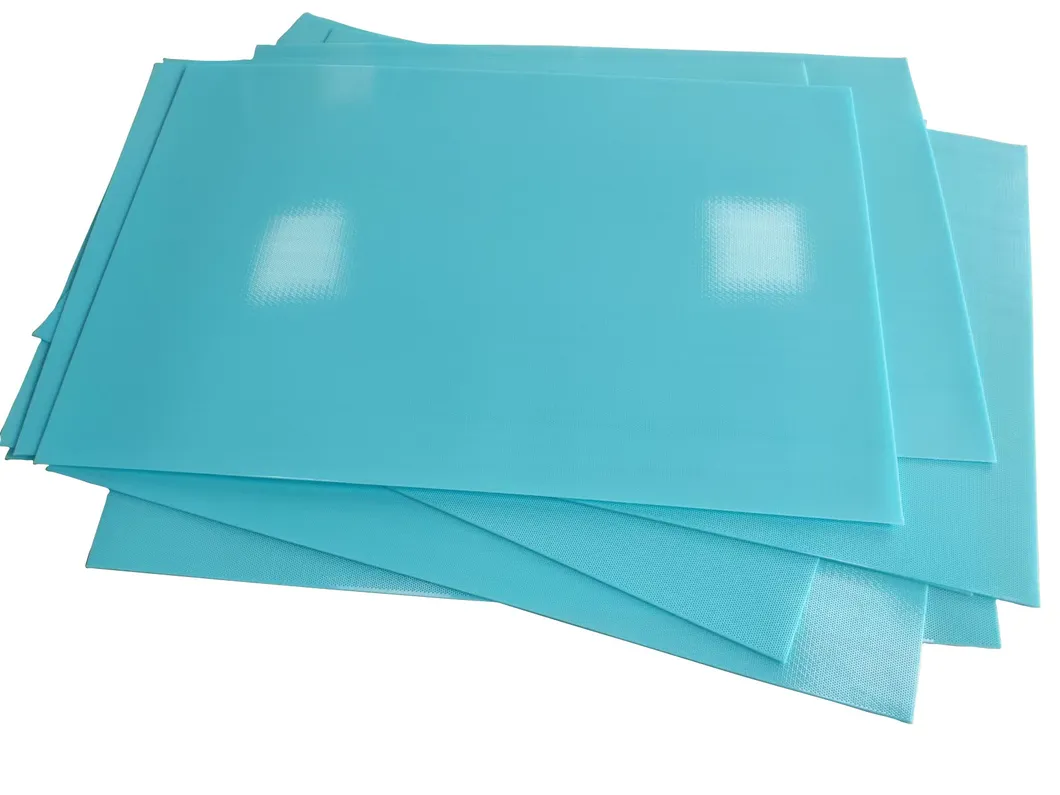
Blue/ Pink/White/ Skin Tone
Size
60*90cm (24''*36'')
Thickness
1.6mm/ 2.0mm/ 2.4mm
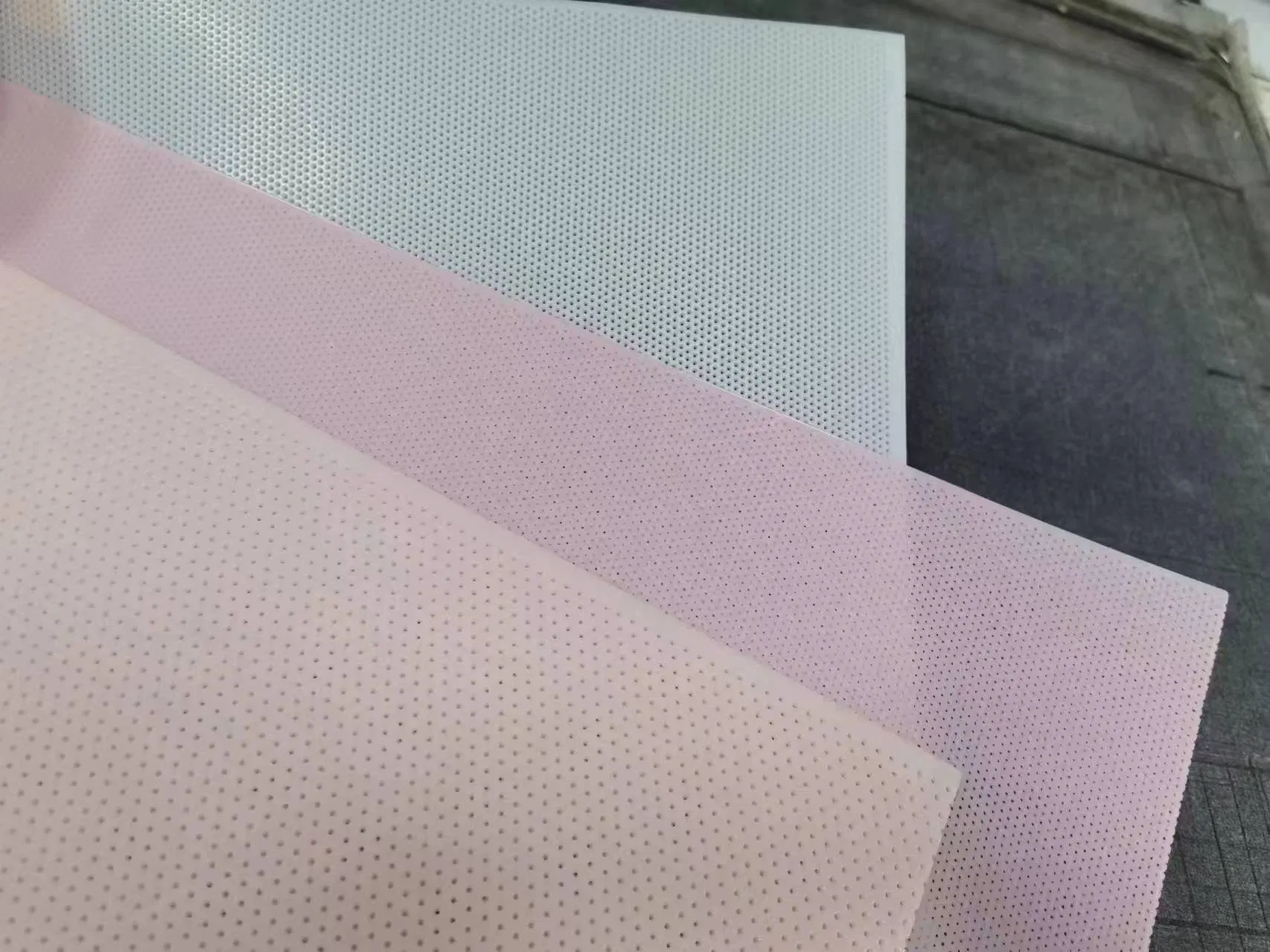
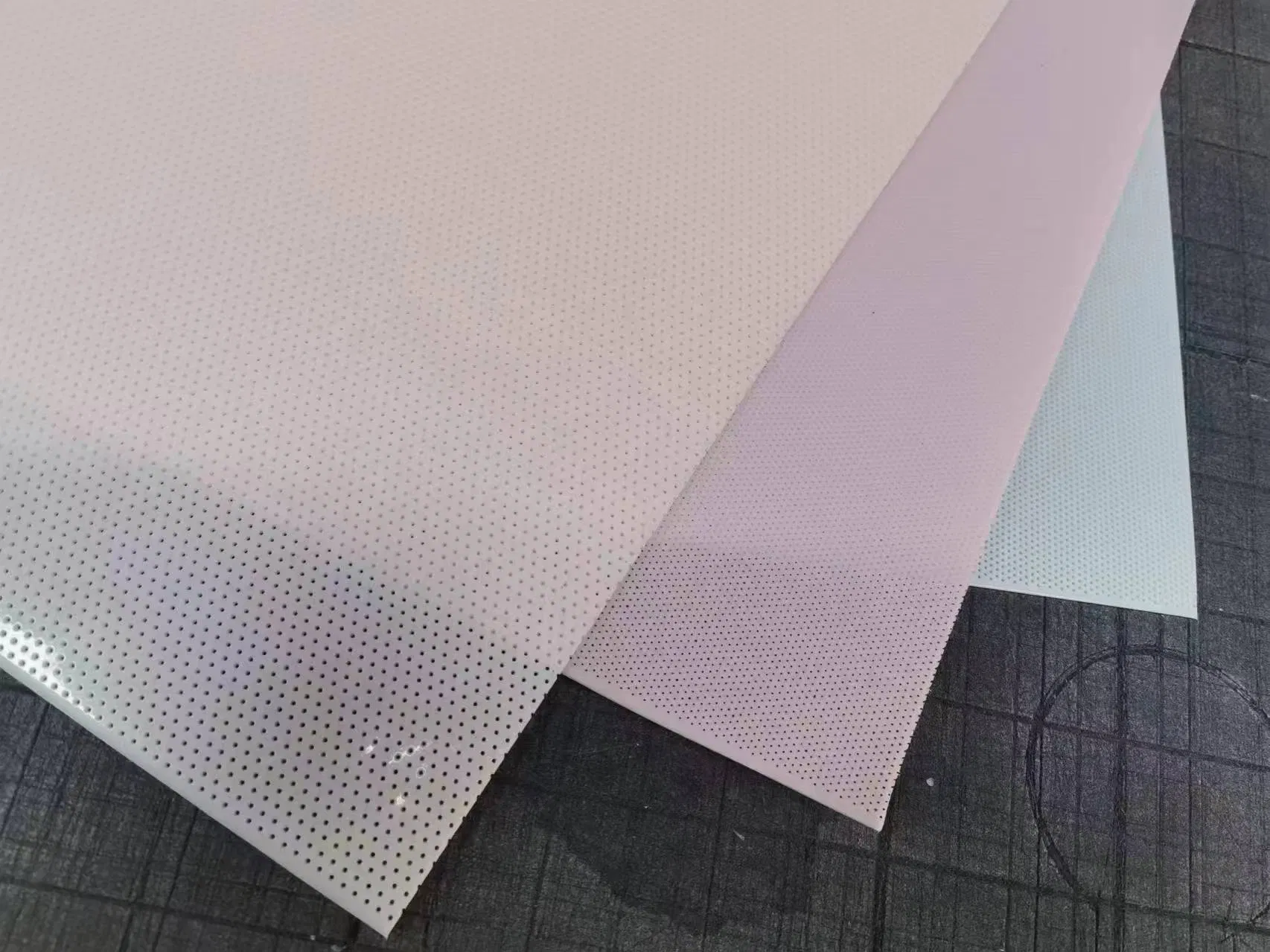
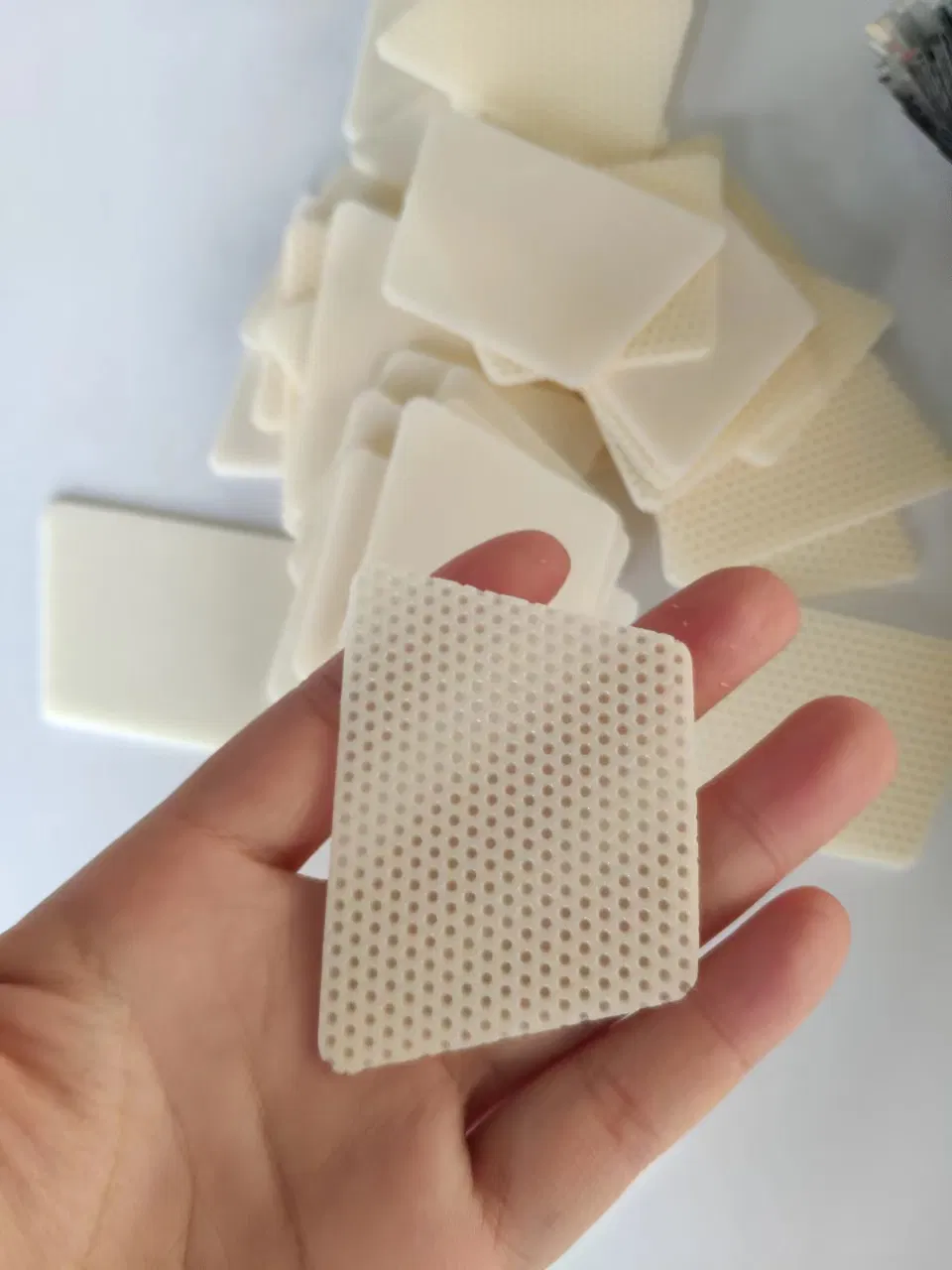
Perforated
Micro
Application
Rhinoplasty/ Nose Job
Expiration
18 Months
Transport Package
Carton Box
Origin
China
Production Capacity
10000PCS

Product Overview

Low-temperature Thermoplastic Splinting Material for External Nasal Splint
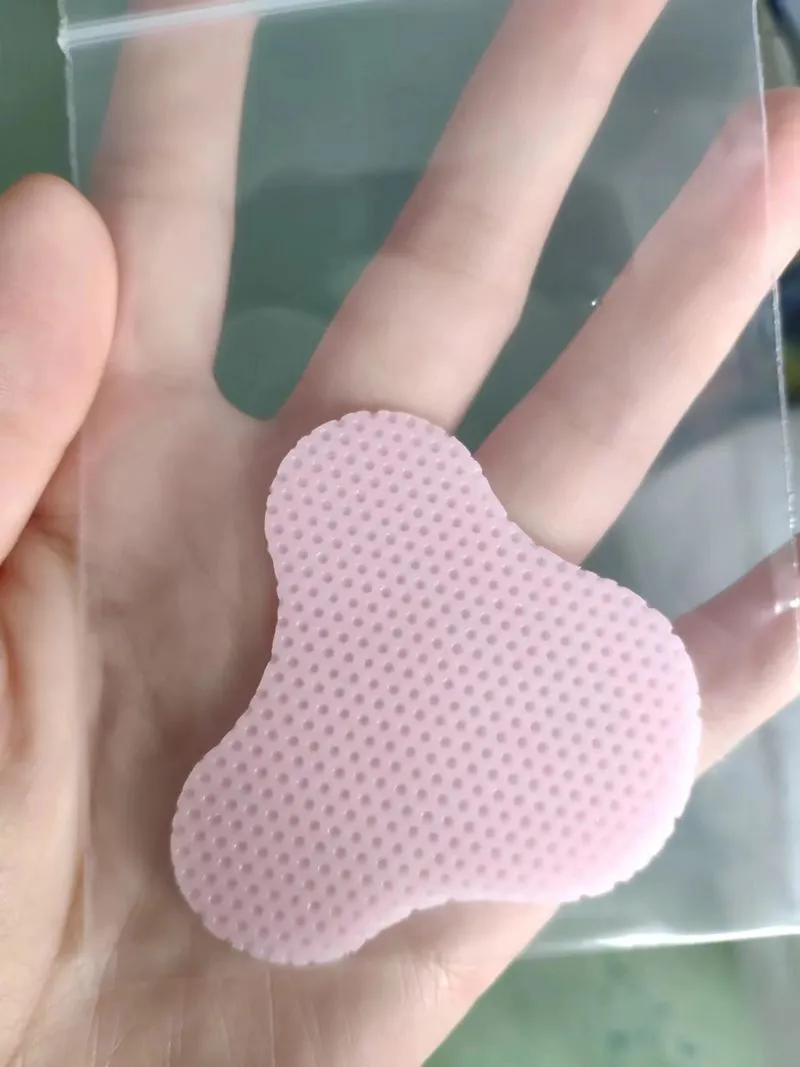
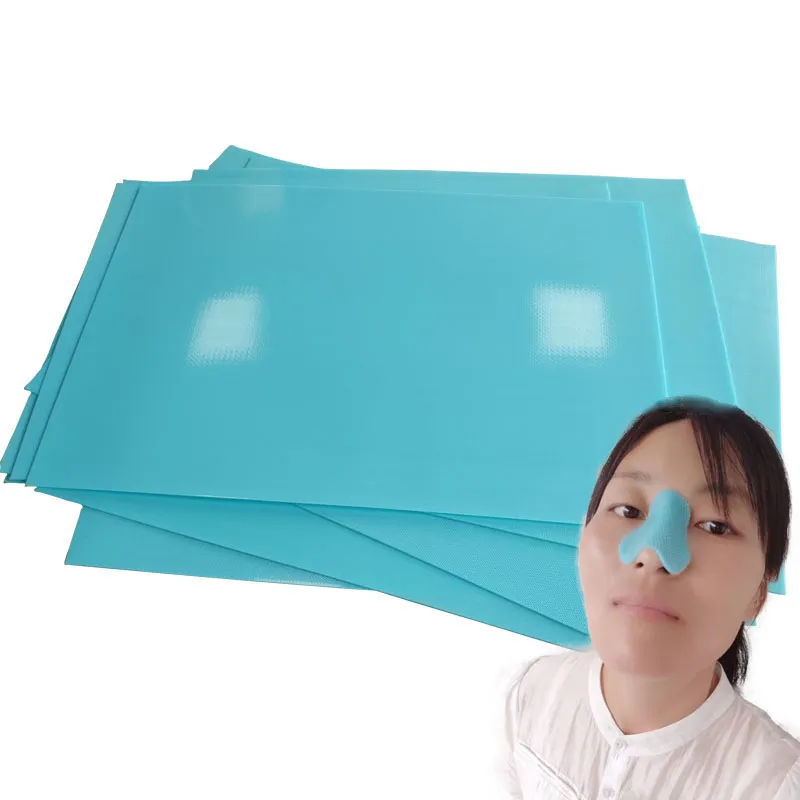
Specifications:
• Size: 900*600mm
• Thickness Options: 1.6mm / 2.0mm / 2.4mm
• Perforation: Micro-perforated (customized options available)
• Colors: Original / White / Blue / Light Pink

Key Features

Mouldable

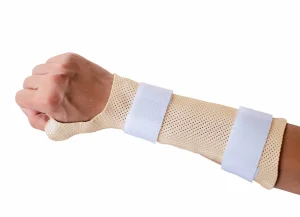
It could be moulded to the right shape after being activated in hot water for perfect anatomical fit.

Breathability

Micro-perforations prevent itching, inflammation, and skin lesions during prolonged confinement.

Waterproof

Functions like other plastics. Patients can safely wear it while bathing or swimming.

X-ray Translucent

Allows X-rays to pass through easily during radiation therapy without removing the splint.
Usage Instructions

1
Place splint in 65-70°C water for 1-3 minutes or until it becomes pliable.
2
Remove from water and blot dry with a clean, soft towel.
3
Mold the splint around the required body part (nose, arm, or leg) until it achieves the correct shape.
4
As the material cools, it will harden into a rigid, protective, and supportive covering.

Frequently Asked Questions

What is the main benefit of thermoplastic splints over plaster?
Thermoplastic splints are significantly lighter, easily molded to the individual patient's anatomy, and can be removed for cleaning, unlike traditional plaster casts.
How long does it take for the material to soften?
It typically takes between 1 to 3 minutes in water heated to 65-70°C to become fully pliable and ready for molding.
Can I shower or swim while wearing the splint?
Yes. The material is waterproof. However, ensure the water temperature does not exceed 65°C, as the material may soften again.
Does the splint interfere with X-ray imaging?
No, the material is X-ray translucent, meaning doctors can take clear images without needing to remove the splint.
What thicknesses are available for the nasal splint sheets?
The standard thicknesses available are 1.6mm, 2.0mm, and 2.4mm to suit different support requirements.
Does the perforation help with skin irritation?
Yes, the micro-perforations provide essential breathability, which helps prevent itching and skin inflammation during long-term use.

Related Products