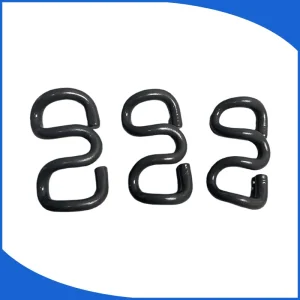
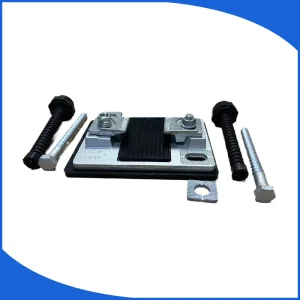
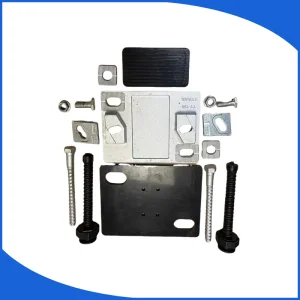
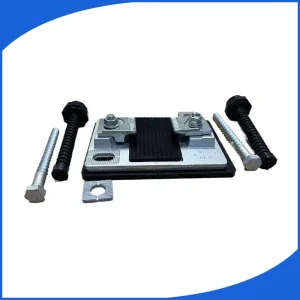
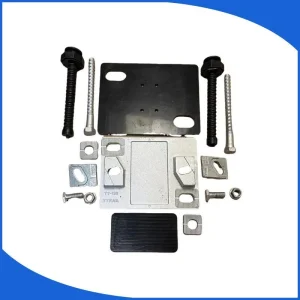
High-Performance Railway Fastener System for Durable Track Support

Customization: Available
After-sales Service: One Year
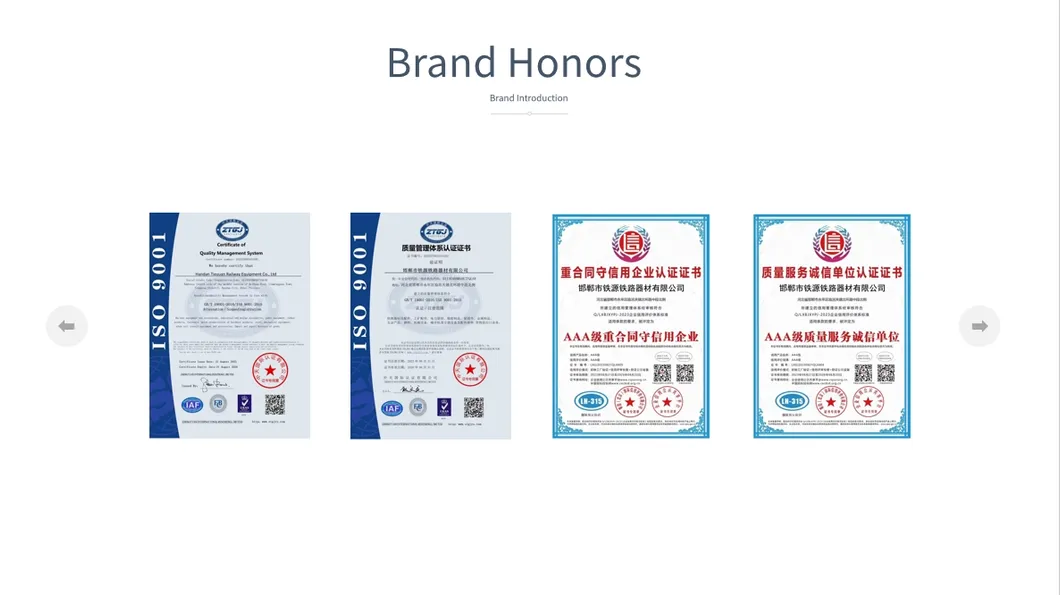
Certification: ISO9001

Product Description

Basic Information
Type
Sleeper
Production Process
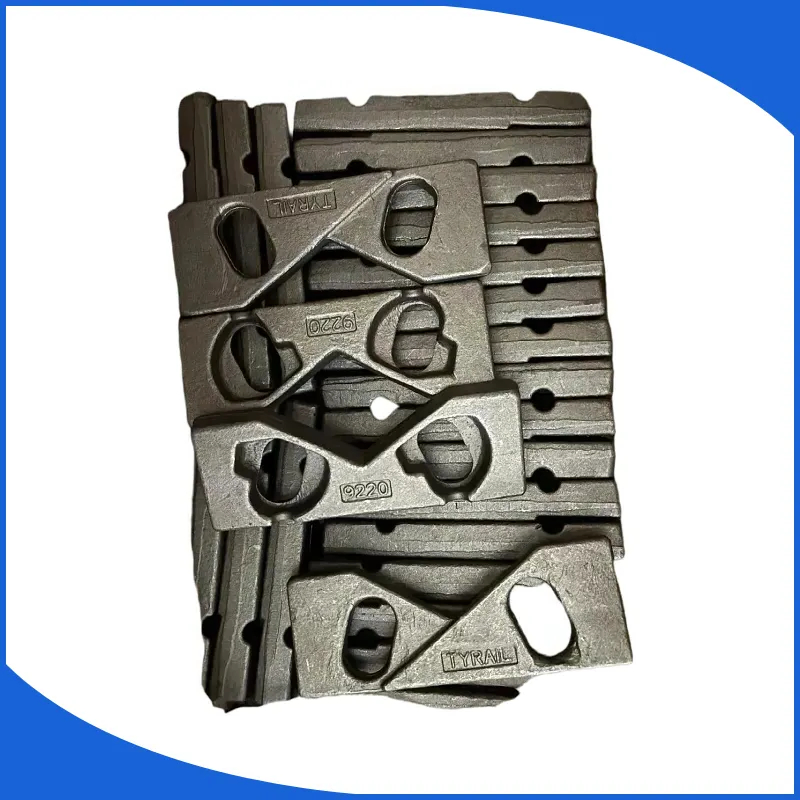
Forging
Surface Treatment
Galvanized
Transport Package
Wooden Box
Specification
1100*1000*800mm
Production Capacity
1000
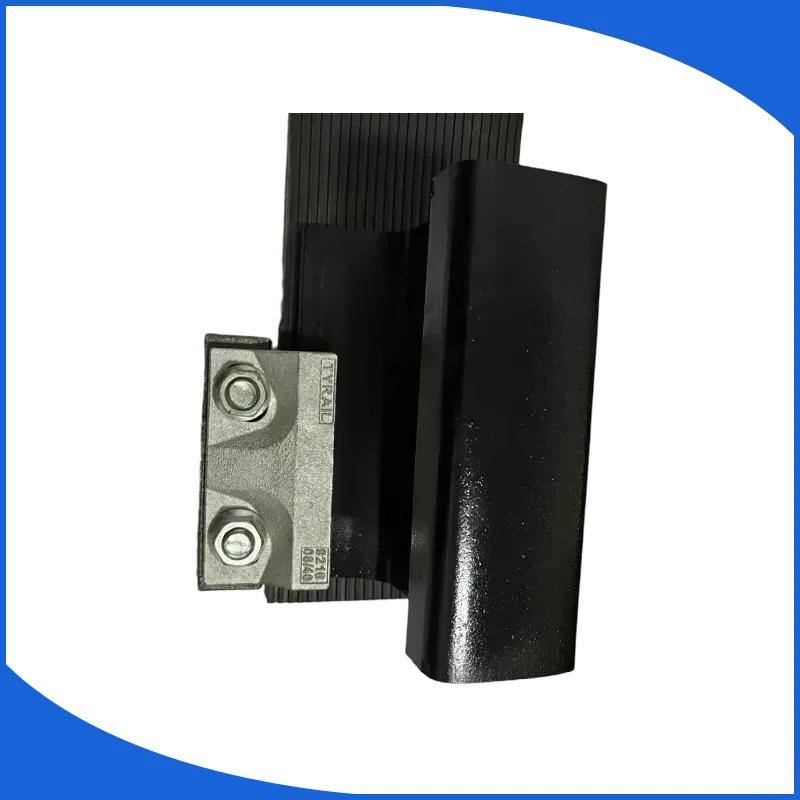
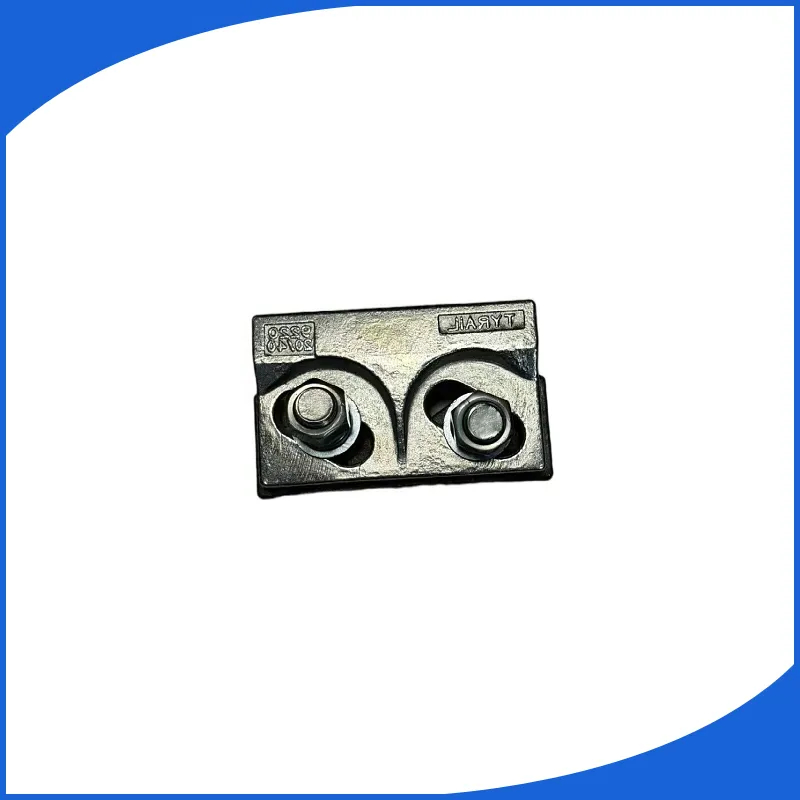
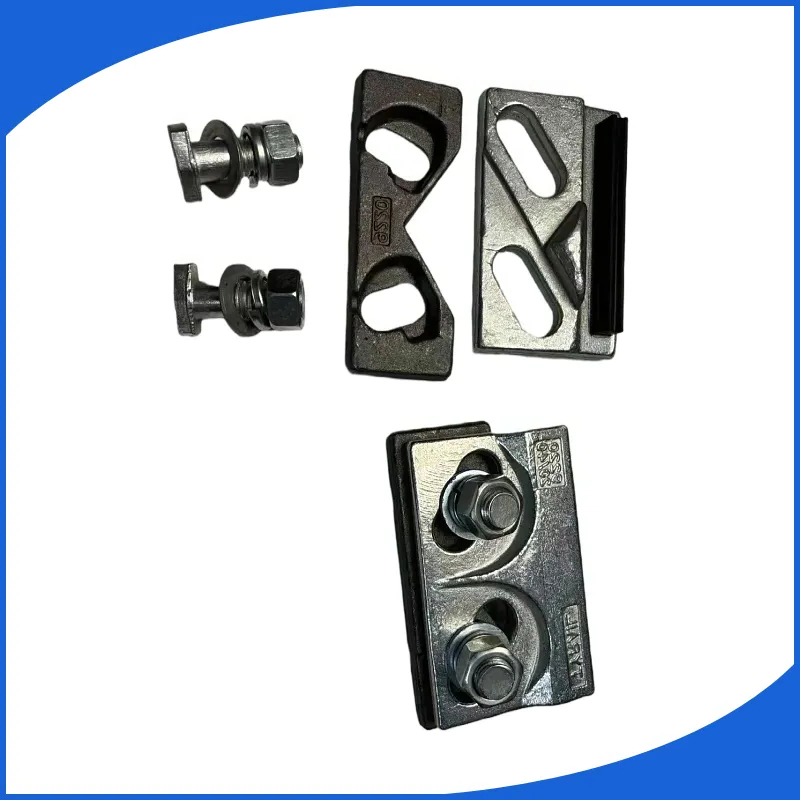
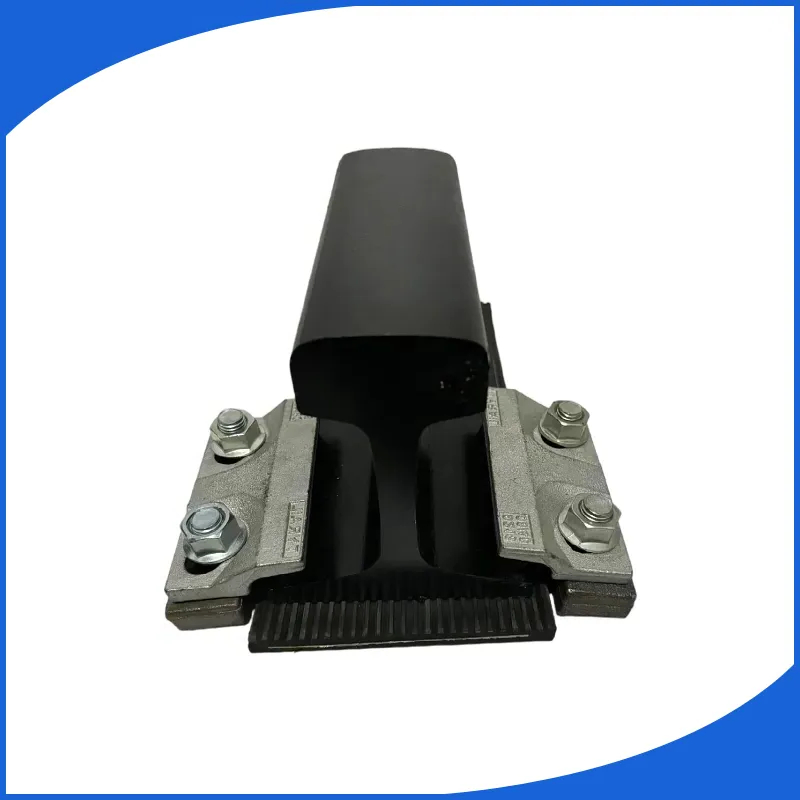
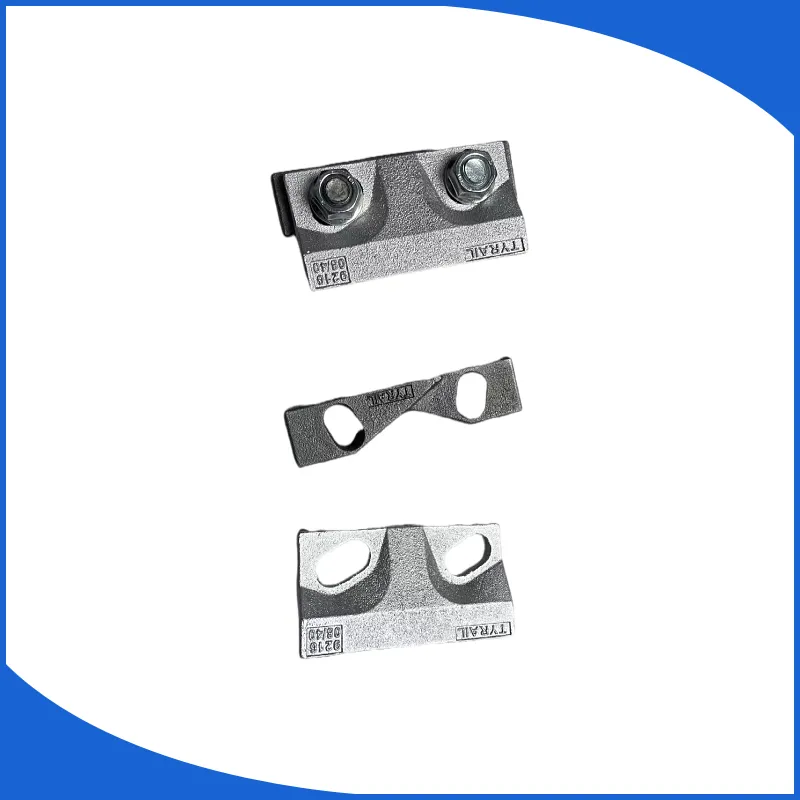
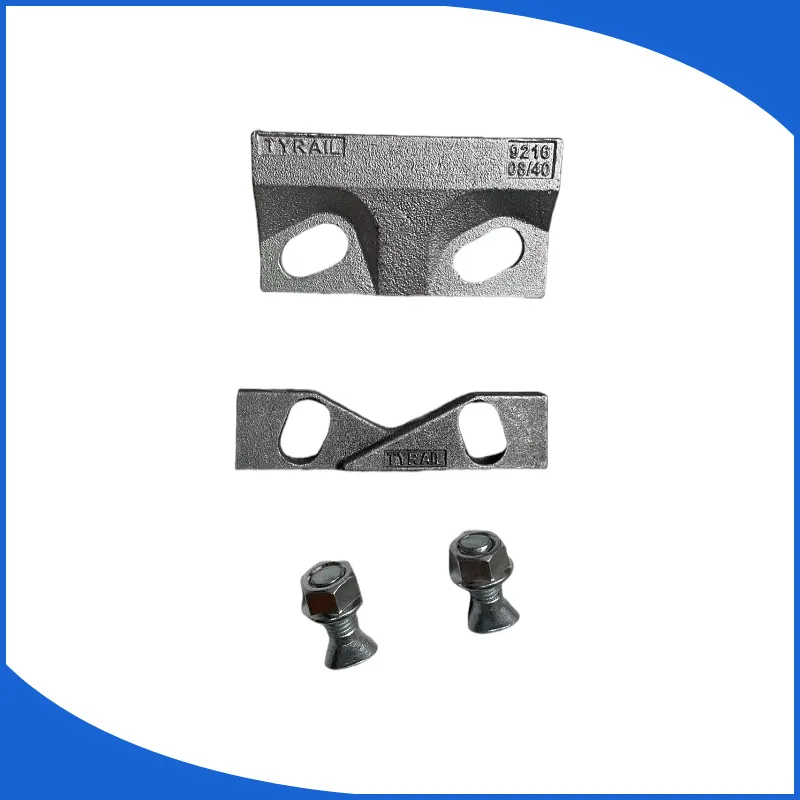
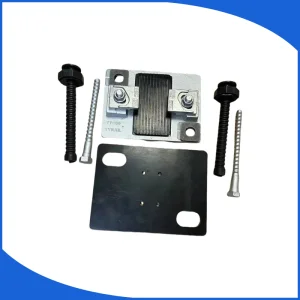
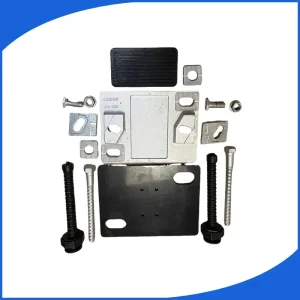
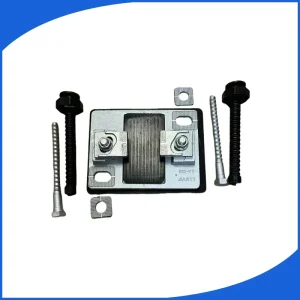
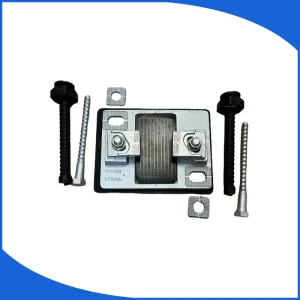
Railway Fastener System
Product Overview & Main Uses
Track fixation and connection: Used to fix tracks (crane tracks, railway tracks, industrial tracks) on foundation structures like concrete or steel beams to ensure stability and alignment.
Flexible compensation: Absorbs stress from vibration, shock, or thermal expansion through elastic elements (rubber pads, spring assemblies), reducing wear.
Adjustment and maintenance: Allows horizontal and vertical fine-tuning, facilitating easy installation.
Track Fixation
Application Scenarios
Rail Traffic Application

Rail Traffic: Ideal for bridges and tunnels requiring shock absorption. Widely used in subways and light rails for noise reduction in residential areas.

Special Environments: Provides stability for heavy-load mining and logistics tracks. Perfect for temporary tracks at construction sites or exhibitions due to quick adjustment capabilities.
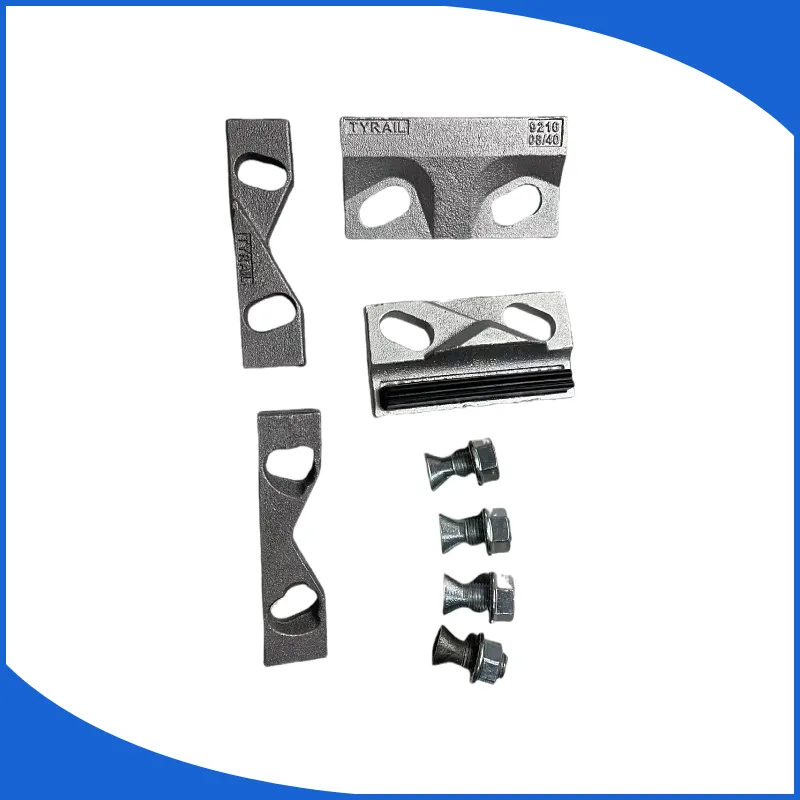

Key Characteristics
  • 🔹 High-Strength Material: Crafted from Q235B or 45# steel with optional rubber or polyurethane elastomers.
  • 🔹 Anti-Loosening Design: Features pre-tightening structures to withstand long-term vibration.
  • 🔹 Corrosion Resistance: Galvanized or spray-treated surface, ideal for humid or outdoor environments.
Fastener Characteristics
Frequently Asked Questions
Q1: What are the primary functions of this railway fastener system?
The system is primarily used for track fixation, flexible compensation to absorb vibration and thermal stress, and allowing for horizontal and vertical track adjustments.
Q2: Which materials are used in the production of these sleepers?
Components are usually made from high-strength steel such as Q235B or 45# steel. Elastic components may also include rubber or polyurethane for shock absorption.
Q3: How does the system prevent loosening over time?
The system incorporates a specialized anti-loosening design, including anti-loosening nuts and pre-tightening structures specifically engineered to withstand continuous vibrations.
Q4: Is this product suitable for use in tunnels or near residential areas?
Yes, it is highly suitable for urban rail transit, subways, and tunnels where vibration damping and noise reduction are critical requirements.
Q5: What kind of surface protection does the fastener system have?
The components undergo surface treatment such as galvanization or protective spraying, making them highly resistant to corrosion in outdoor or humid environments.
Q6: Can these be used for temporary track installations?
Absolutely. The system is designed for quick installation and adjustment, making it ideal for temporary tracks at construction sites or mobile exhibition venues.

Related Products