Sanva Medical
1 / 5
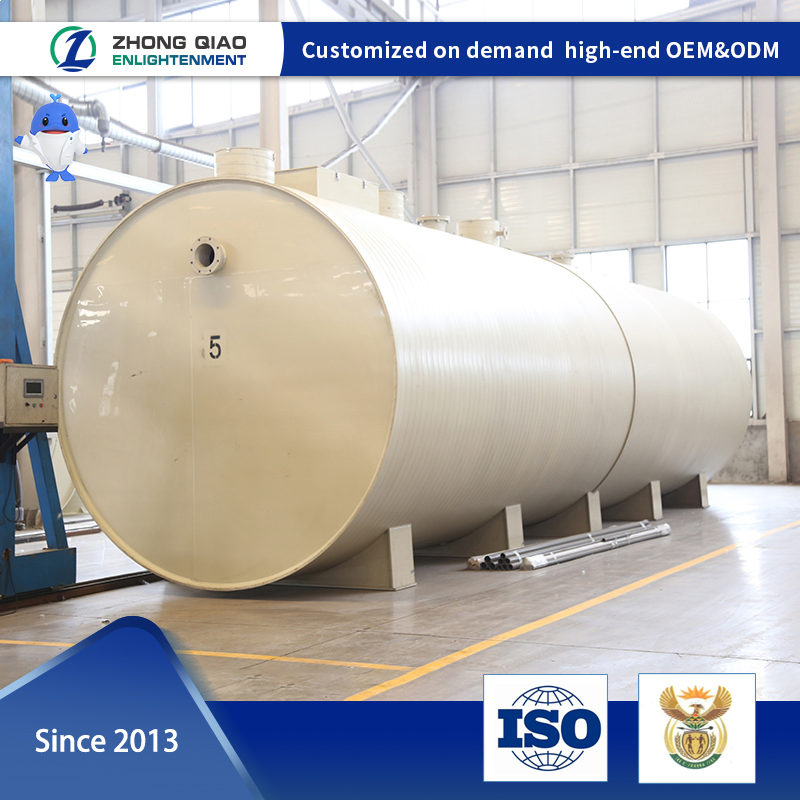
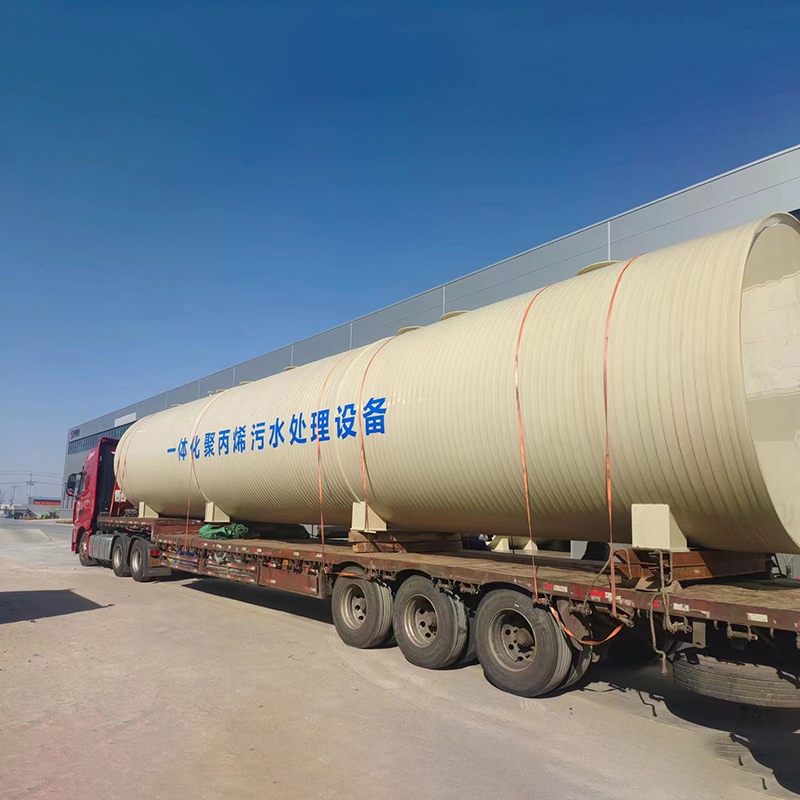
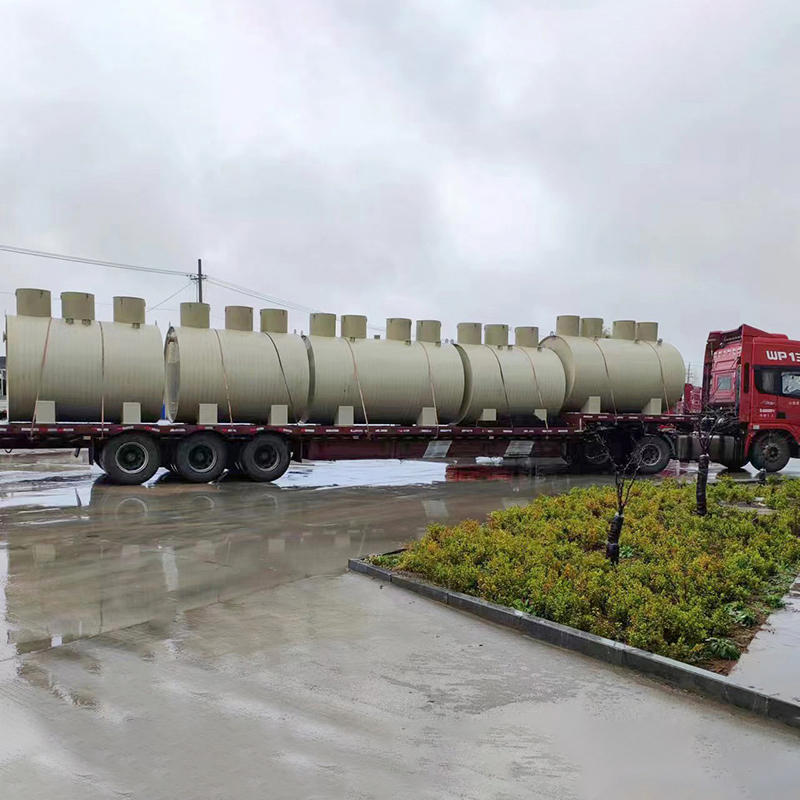
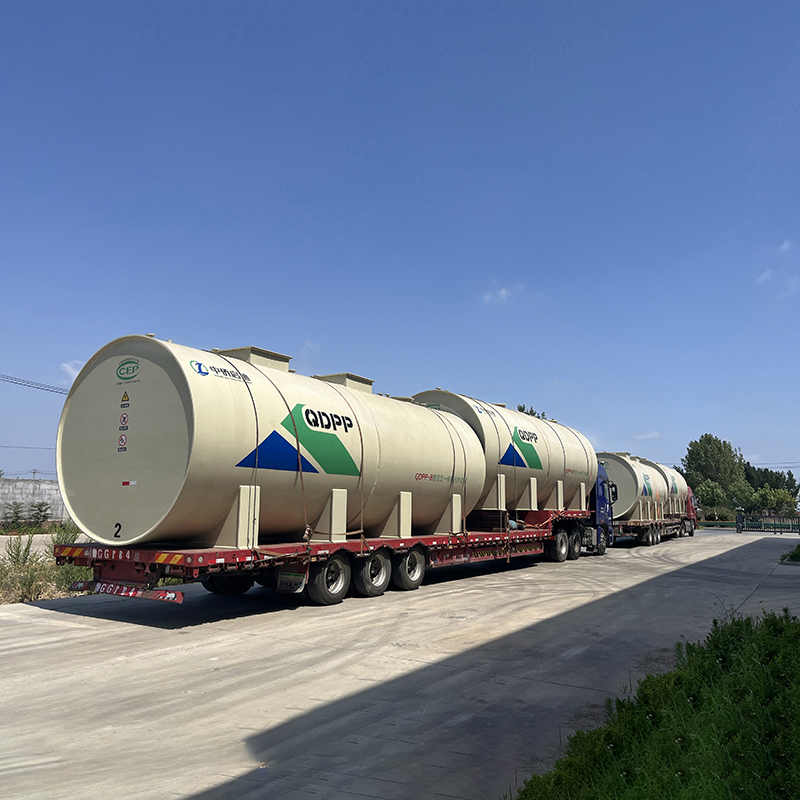
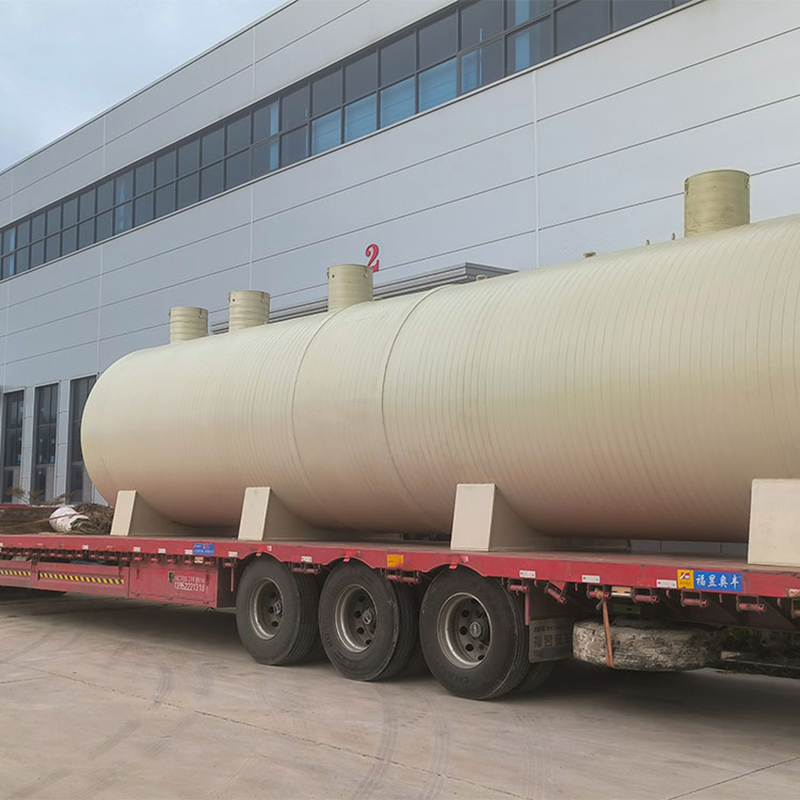
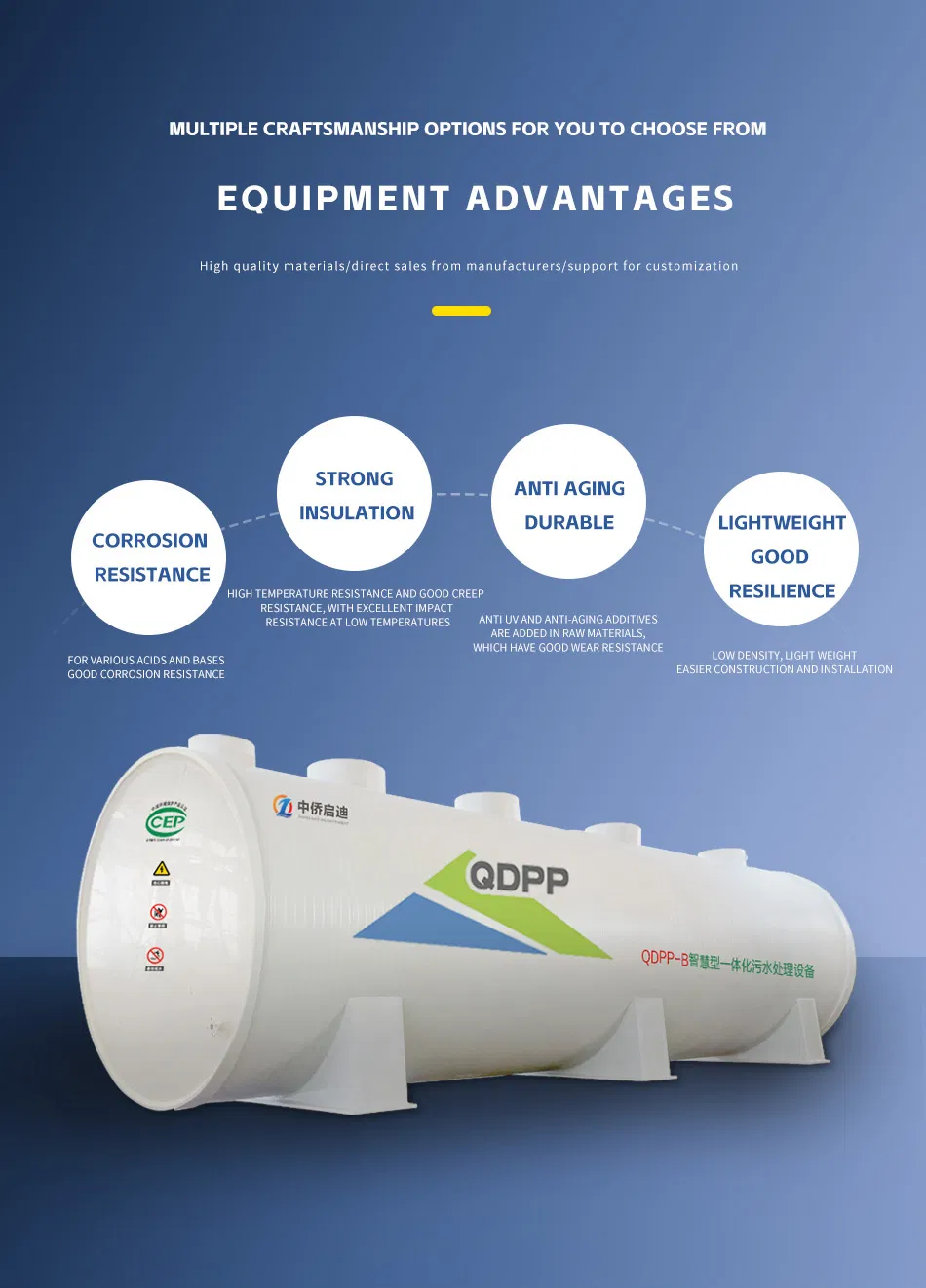
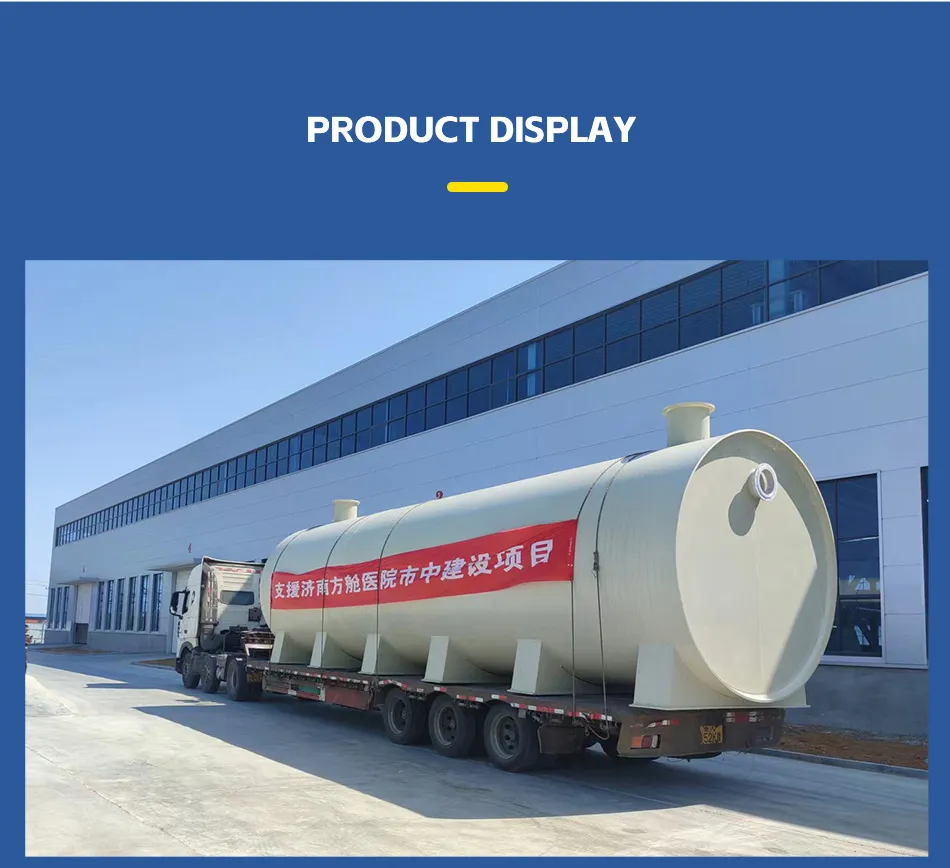
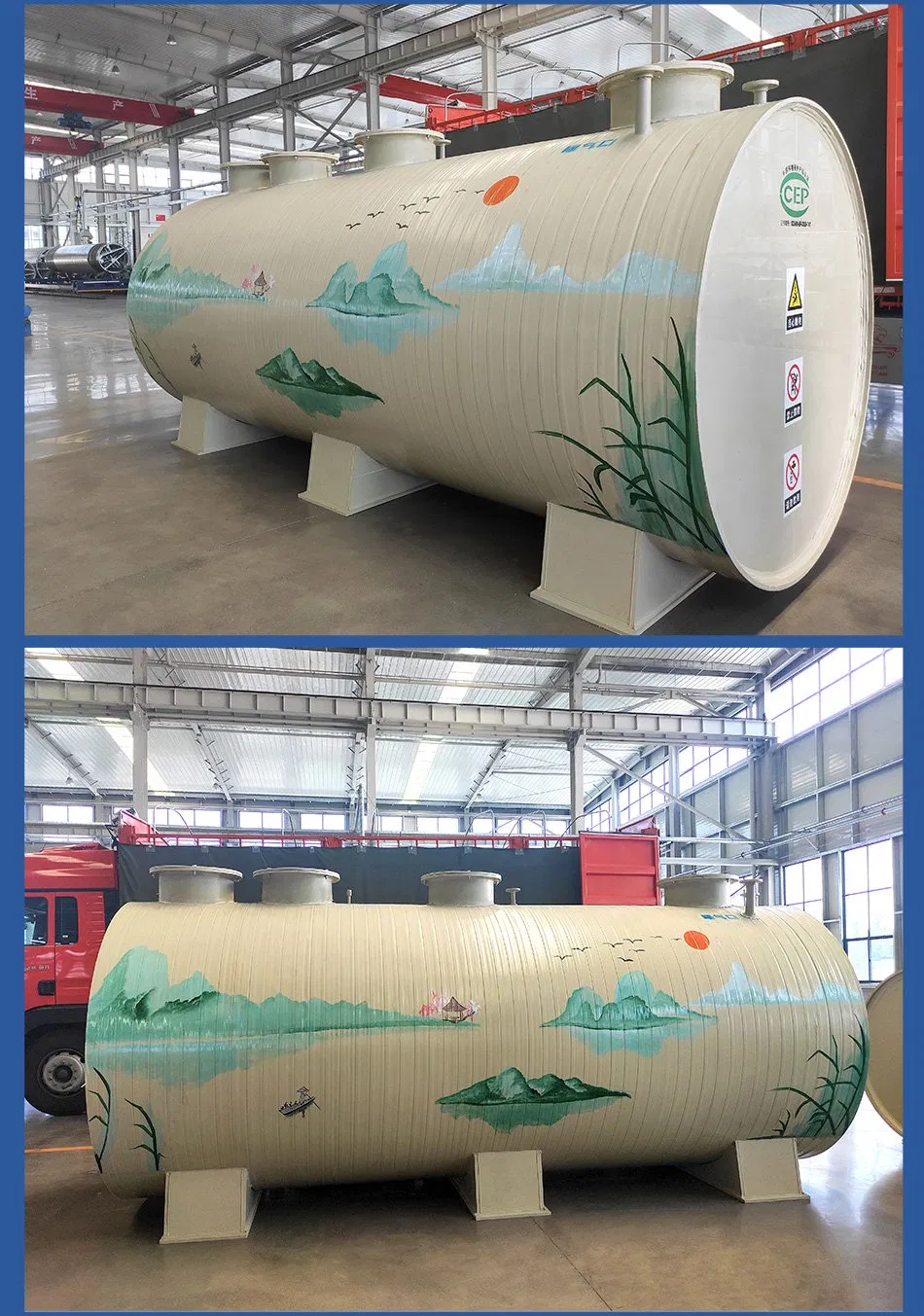
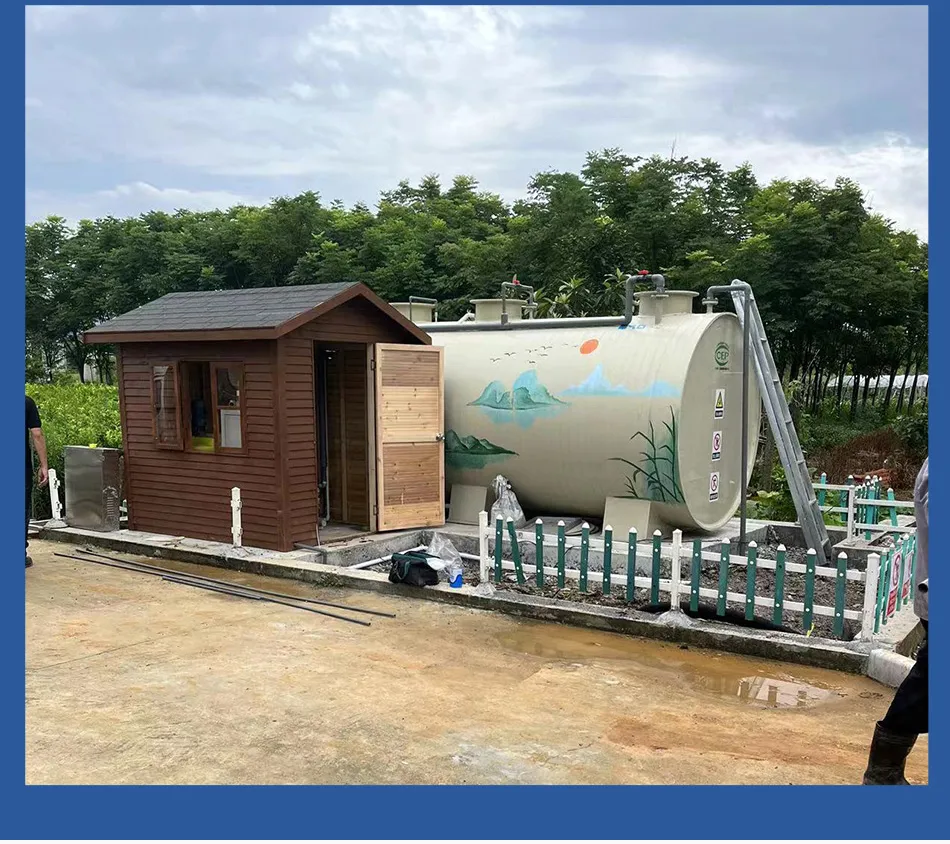
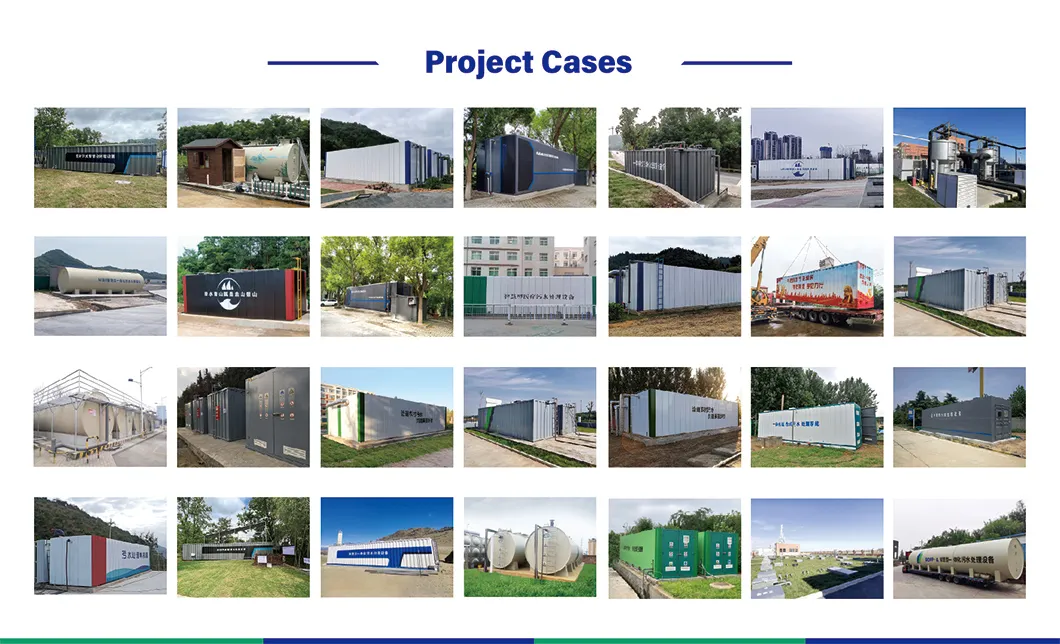
Introducing the QDPP Integrated Sewage Treatment Equipment: An extraordinary innovation meticulously crafted with advanced high-molecular materials. This equipment features a seamless tank design ensuring unmatched durability and remarkable performance. Tailored for diverse sewage treatment needs, it includes Horizontal, Vertical, and Hollow tank solutions.
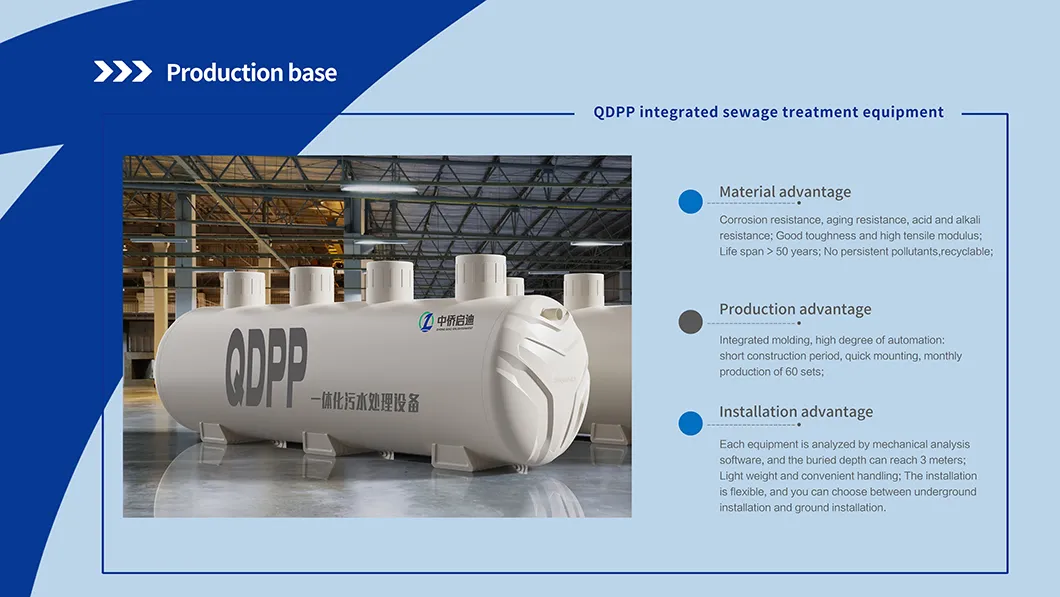
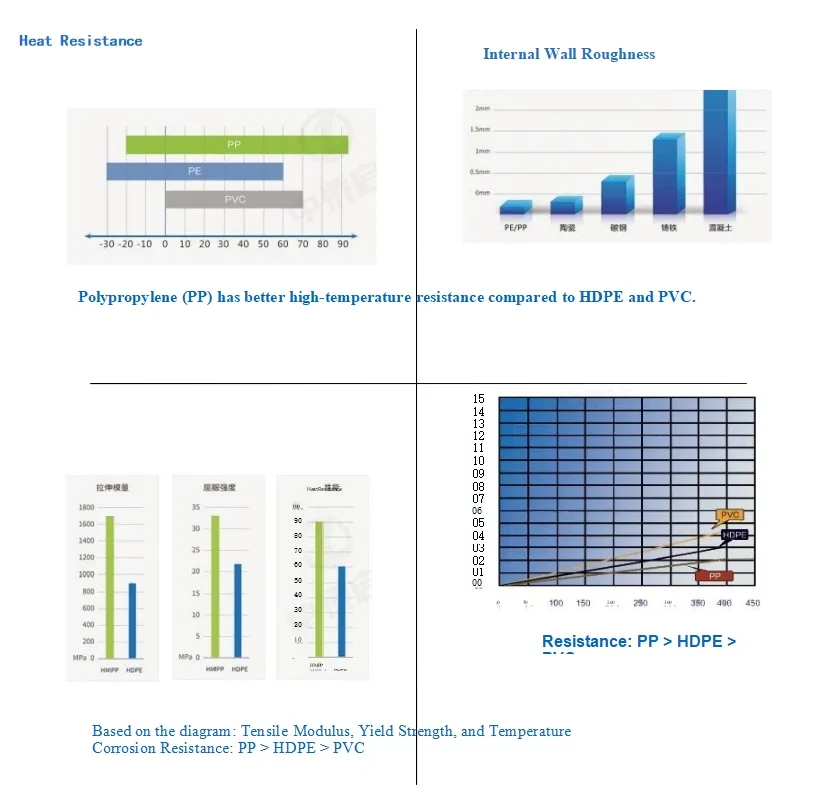
Our foundational element is high-modulus polypropylene (PPH). With an elastic modulus of ≥1500 MPa, it surpasses standard HDPE (800 MPa), providing superior ring stiffness and structural integrity. Polypropylene is non-toxic, odorless, and offers exceptional chemical stability against various acids and bases.
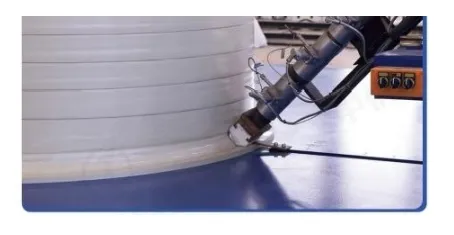
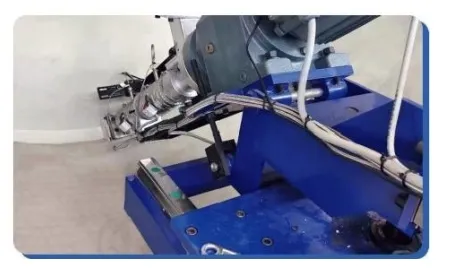
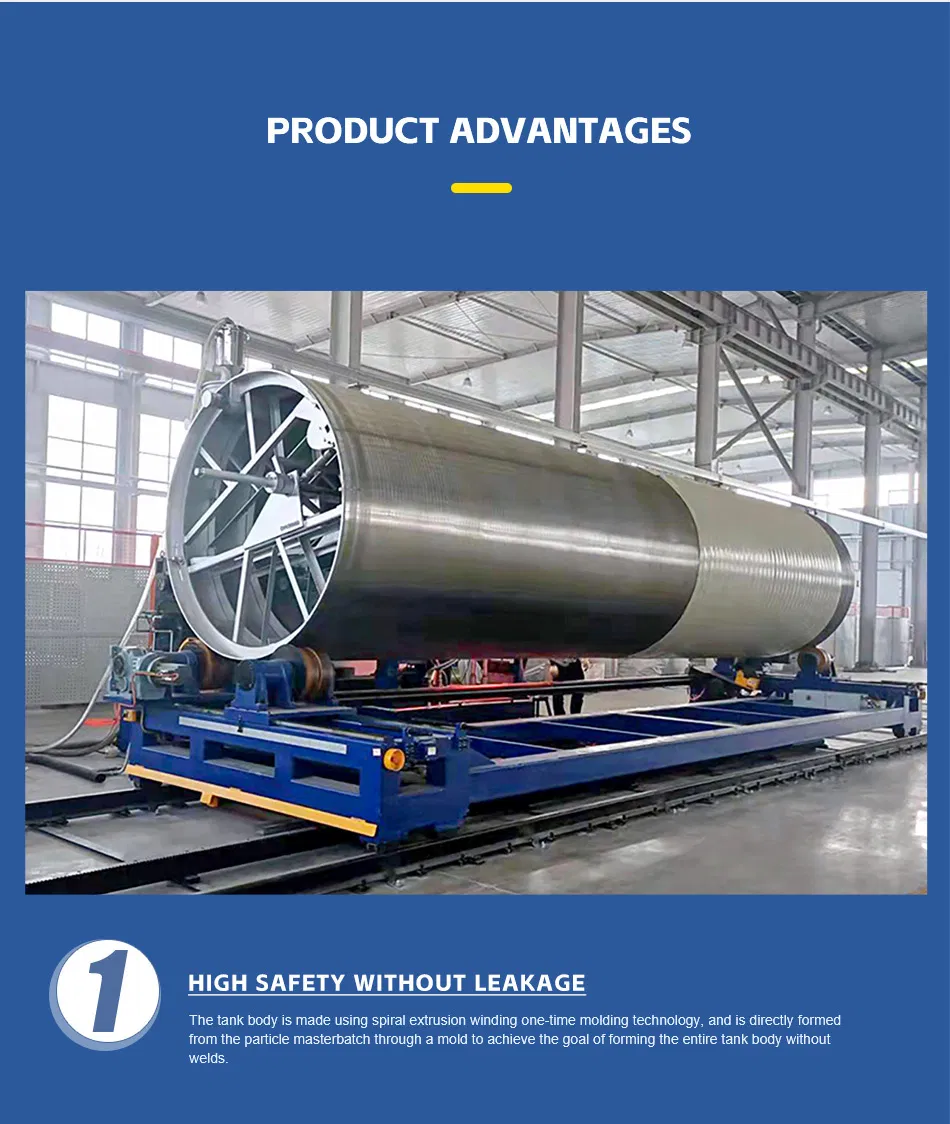
Seamless, one-piece structure manufactured using spiral extrusion winding technology.
UV-resistant and anti-aging additives significantly extend outdoor service life.
Optimized material use with thickness up to 80mm in high-stress areas.
Exhibits excellent resistance to organic and inorganic acids, bases, and salts.
Our equipment is crafted using a one-time molding and multi-winding process. This includes strategic base layering, cooling, and crystallization, followed by stress-relief and reheating to ensure unrivaled reliability.
Designed for: Wastewater management, air pollution control, lithium battery sector, chemical processing, metallurgy, electroplating, textiles, pharmaceuticals, food processing, and more.
| Item | Typical Value | Unit | Test Method |
|---|---|---|---|
| Density | 905 | k/m3 | ISO 1183 |
| Melt Flow Rate (230°C) | 0.3 | g/10 min | ISO 1133 |
| Yield Stress | 36 | MPa | ISO 527-2 |
| Tensile Modulus | 1650 | MPa | ISO 527-2 |
| Charpy Impact Strength (+23°C) | 7 | KJ/m² | ISO 179/1eA |
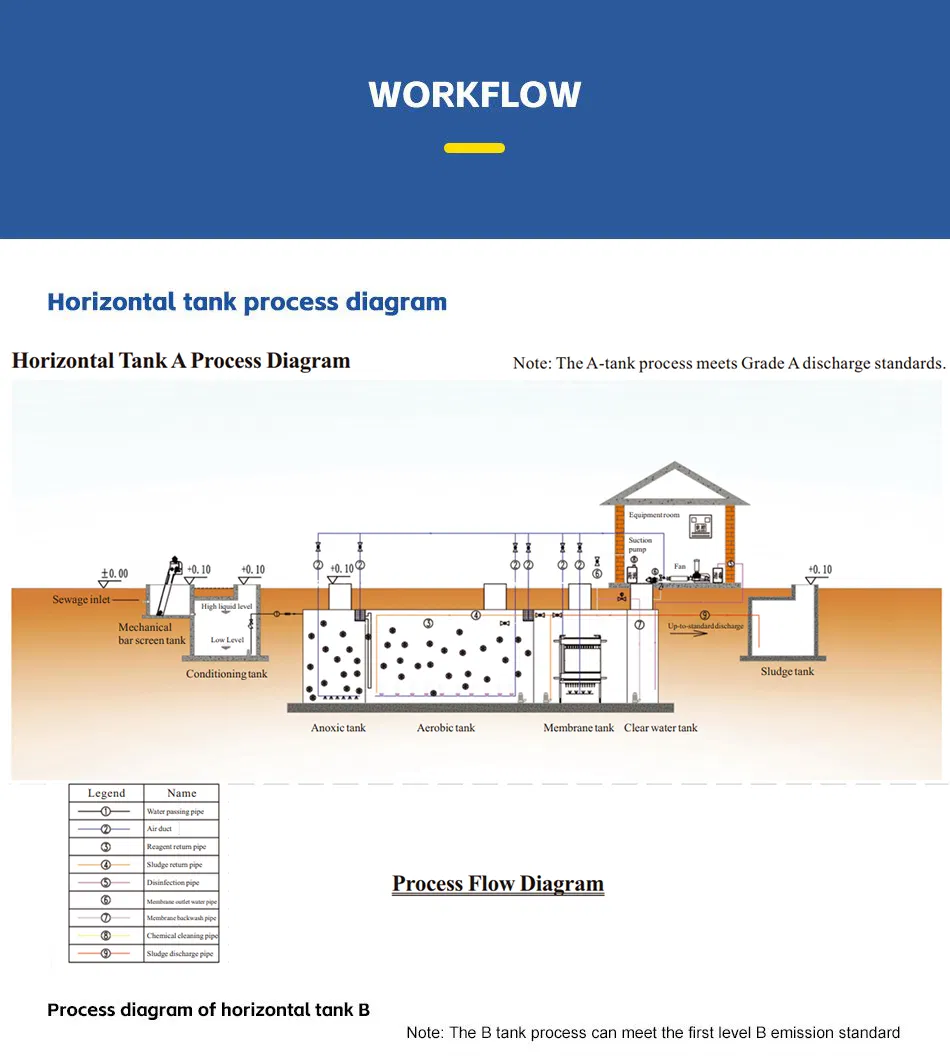
| Processing Parameter Requirement | ||
|---|---|---|
| Parameters/Index | Inflow Quality (mg/L) | Outflow Quality (mg/L) |
| COD | - | - |
| BOD | - | - |
| TSS | - | - |
| Ammonia Nitrogen | - | - |
| PH | - | - |
| Water Flow | m³/d | |