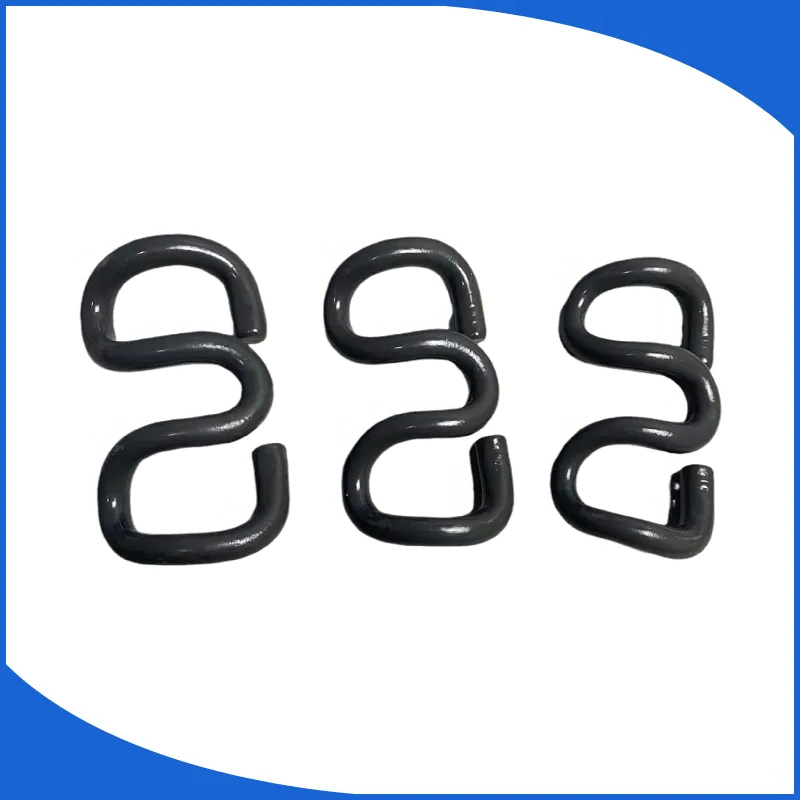
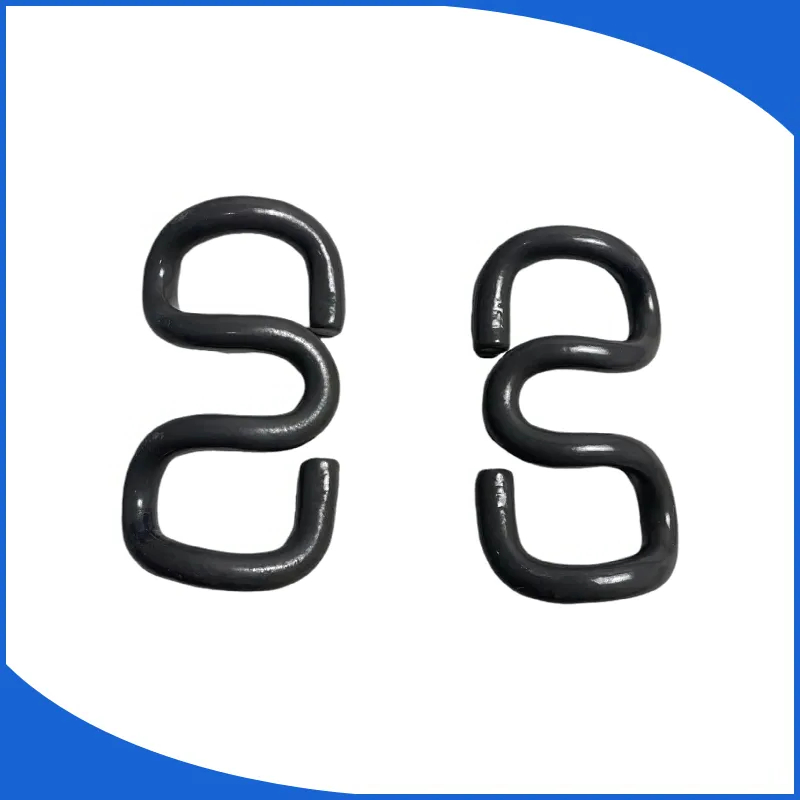
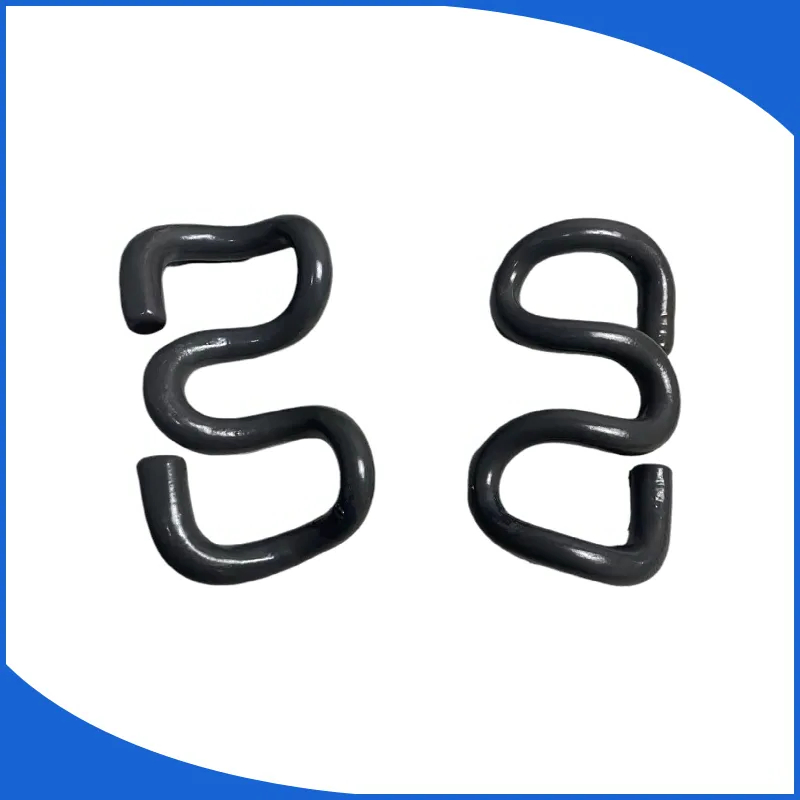
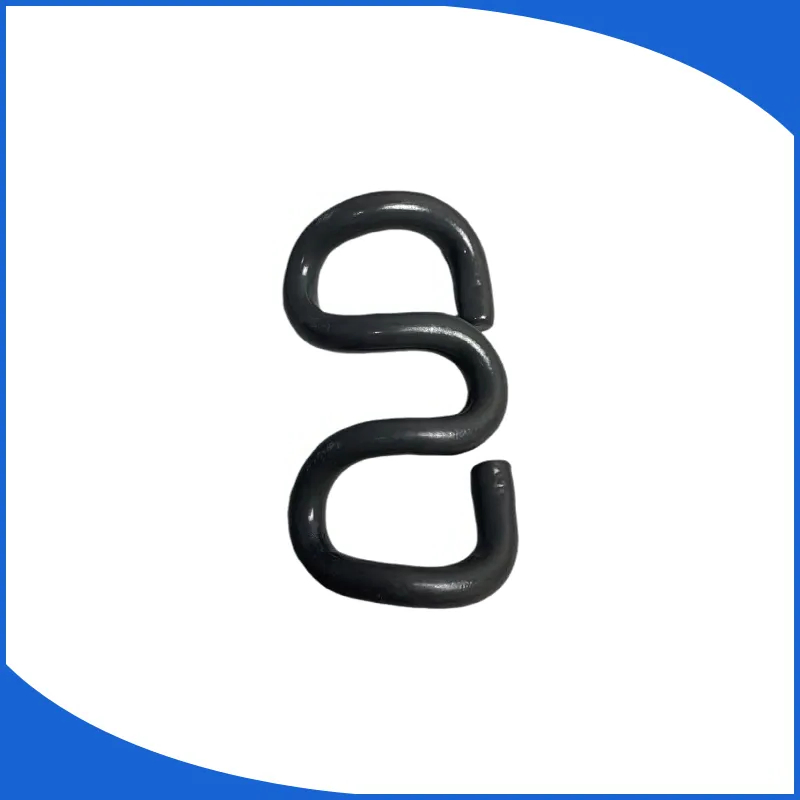
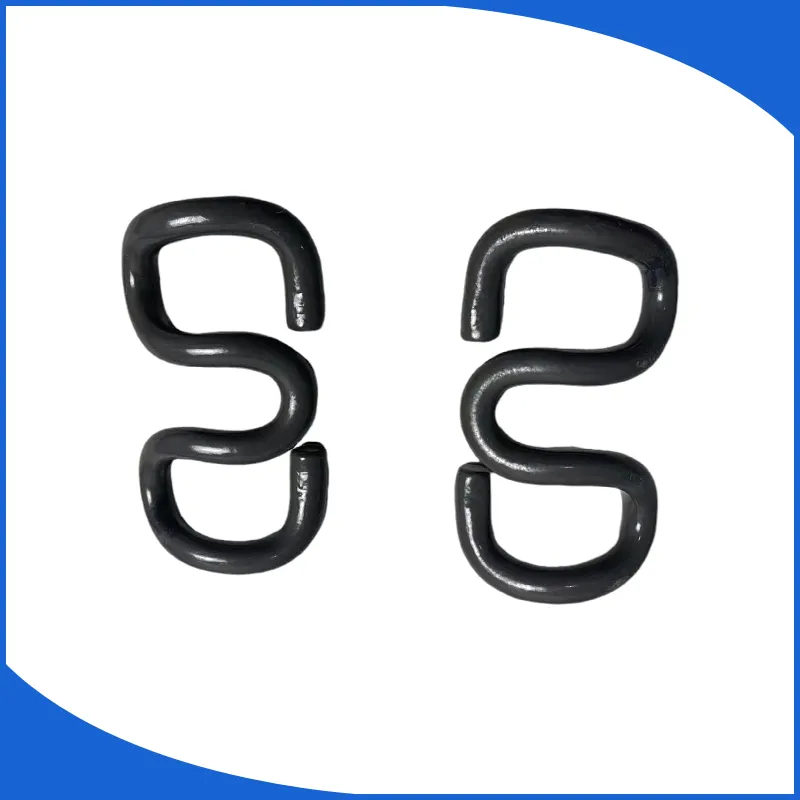
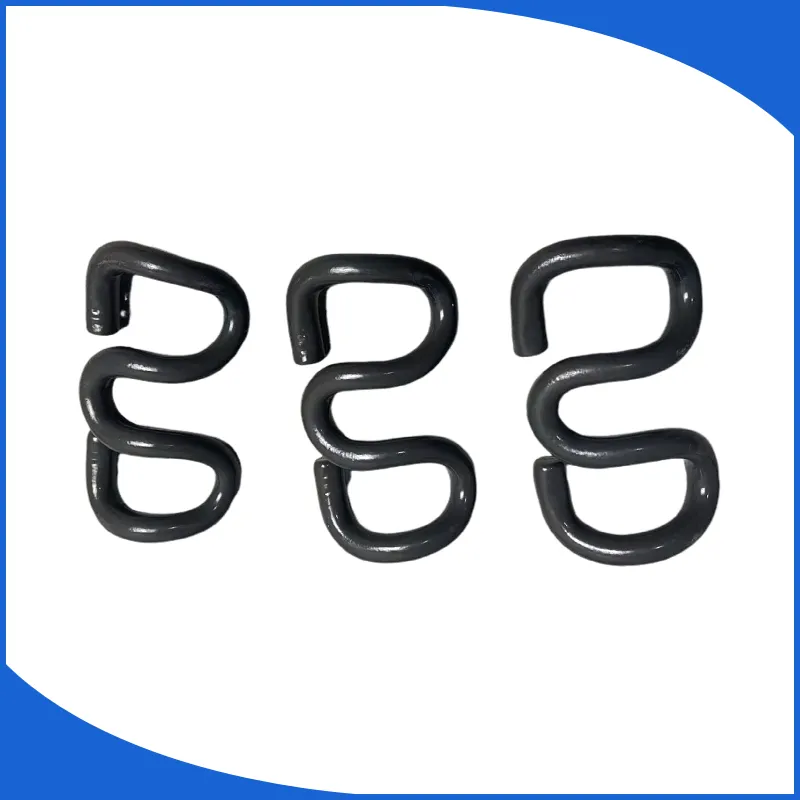
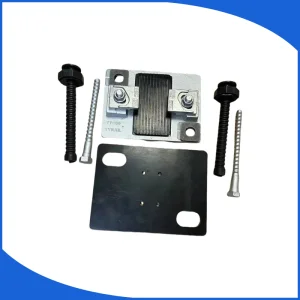
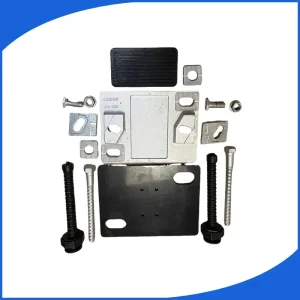
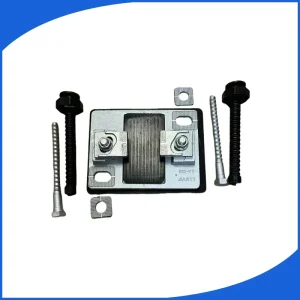
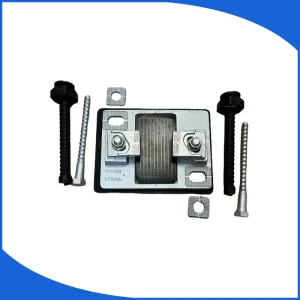
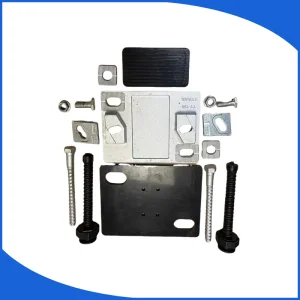
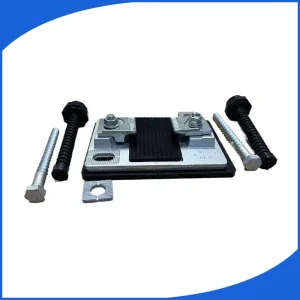
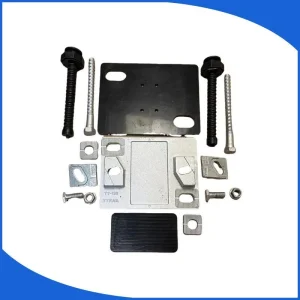
Durable Railway Fastener System for Enhanced Track Safety

Still deciding? Get samples of $ !
Request Sample

Product Description

Basic Info
Customized
Customized
Certification
ISO9001
Type
Suitable for Railway Track Fixation
Diameter
13mm
Transport Package
Wooden Box
Origin
Handan, Hebei, China
Production Capacity
100,000
Product Description & Core Applications
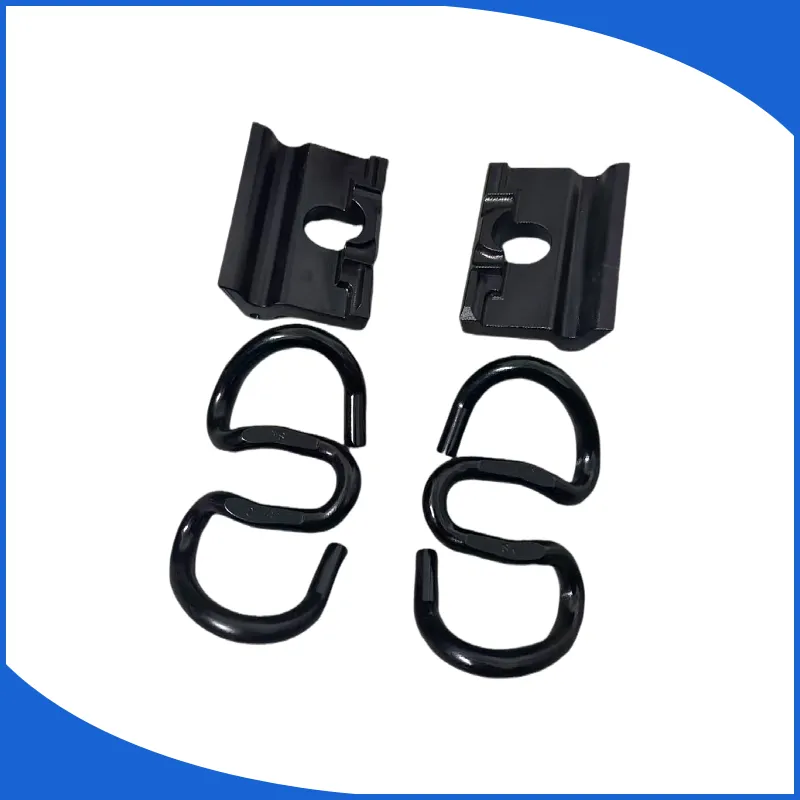
Railway Fastener System

Electrical Insulation Function

  • Prevent leakage of track current and ensure signal system integrity (track circuits/ATP).
  • Block conductive paths between rail and fasteners to reduce stray current corrosion.

Elastic Fixed Rail

  • Provide stable clamping force to prevent track displacement.
  • Buffer dynamic impact during operation and extend track service life.
  • Adapt to harsh environments including humidity, salt-alkali, and extreme cold.
Typical Usage Scenarios
Railway Scenarios

Electrified & High-speed Railways

Used in ballastless tracks for stable signal transmission (WJ-8 type, Vossloh spring strips, etc.).

Subway & Light Rail

Fully insulated fasteners to prevent tunnel structure corrosion from stray currents.
Special Sections & Harsh Environments

  • Turnout areas, bridges, and tunnels to manage stress and isolate circuits.
  • Coastal/saline-alkali areas using galvanized and salt spray-resistant parts.
  • High-altitude regions with low-temperature resistance (-40ºC).
Selection, Maintenance & Troubleshooting
Maintenance

Key Selection: Match rail type (e.g., 60kg/m rail uses TB/T 3065 standard).

Testing: Measure resistance with a megohmmeter (Target: ≥10Ω).

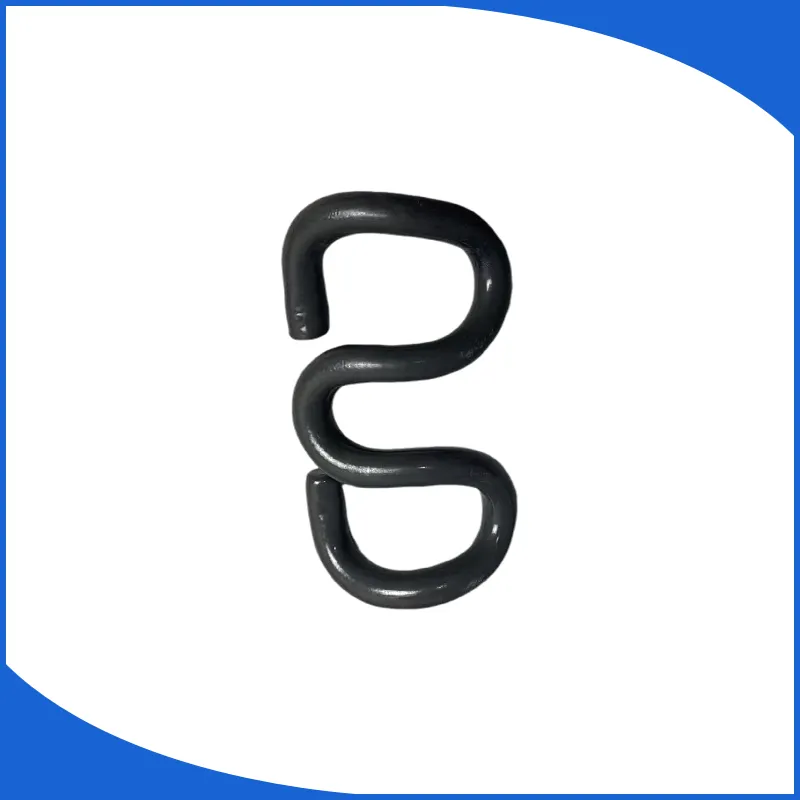
Cycle: Gaskets (5-8 years), Spring bars (10-15 years).
Troubleshooting

Common Problems

Signal Failure: Check for damaged or contaminated gaskets; clean or replace parts.

Spring Bar Breakage: Check for overloading or material fatigue; replace and recheck installation torque.

Product Showcase
Frequently Asked Questions
What is the primary role of railway insulating elastic strips?
They provide electrical insulation to ensure signal system integrity and offer elastic fixation to maintain track stability and buffer impacts.
How do these components perform in extreme weather conditions?
The systems are designed with corrosion-resistant materials for coastal areas and low-temperature resistant materials that maintain elasticity even at -40ºC.
What are the standard replacement cycles for these parts?
Generally, insulating gaskets should be replaced every 5 to 8 years, while the spring bar body typically lasts between 10 to 15 years.
How is the insulation performance verified?
Insulation is tested using a megohmmeter. A resistance value of ≥10Ω is considered qualified for standard operations.
What should be done if a spring bar breaks during operation?
You should investigate for material fatigue or overloading, then replace the broken bar with the same model and verify the installation torque.
Are these fastener systems compatible with high-speed rail?
Yes, they are specifically used in high-speed and intercity railways, including ballastless tracks like the WJ-8 and Vossloh systems.

Related Products