Sanva Medical
1 / 5
| Model | Golf course bunker lining |
| Application | Golf Course Enhancement |
| Material | Polyester |
| Thickness | 1-2cm / 15mm / 20mm / 25mm |
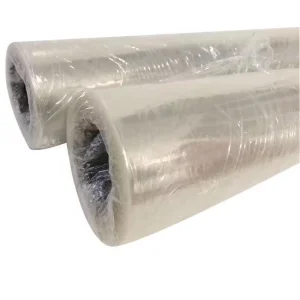
| Roll Sizes | 2m x 25m / 2m x 20m |
| Capacity | 50,000 M2/Day |
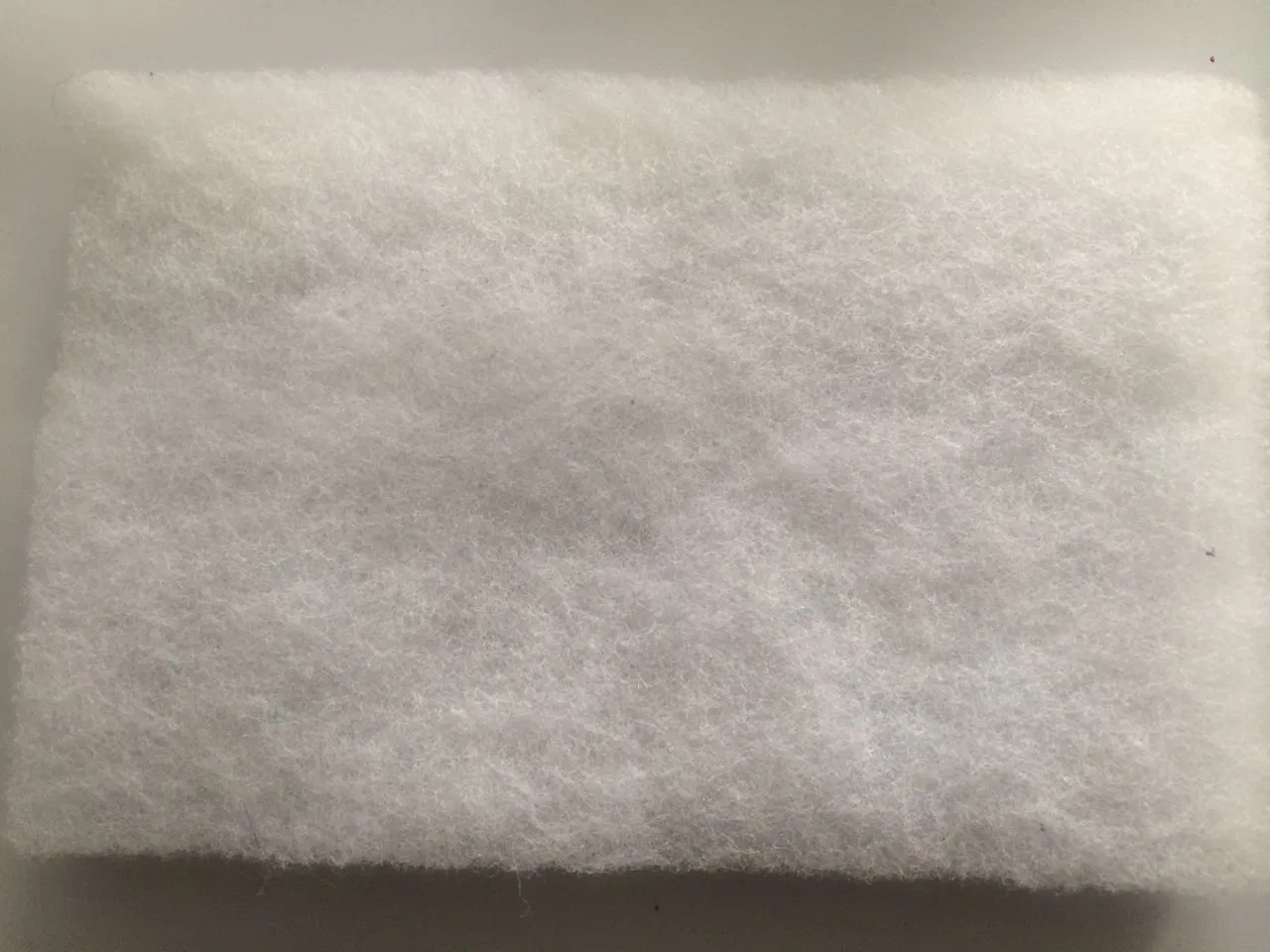
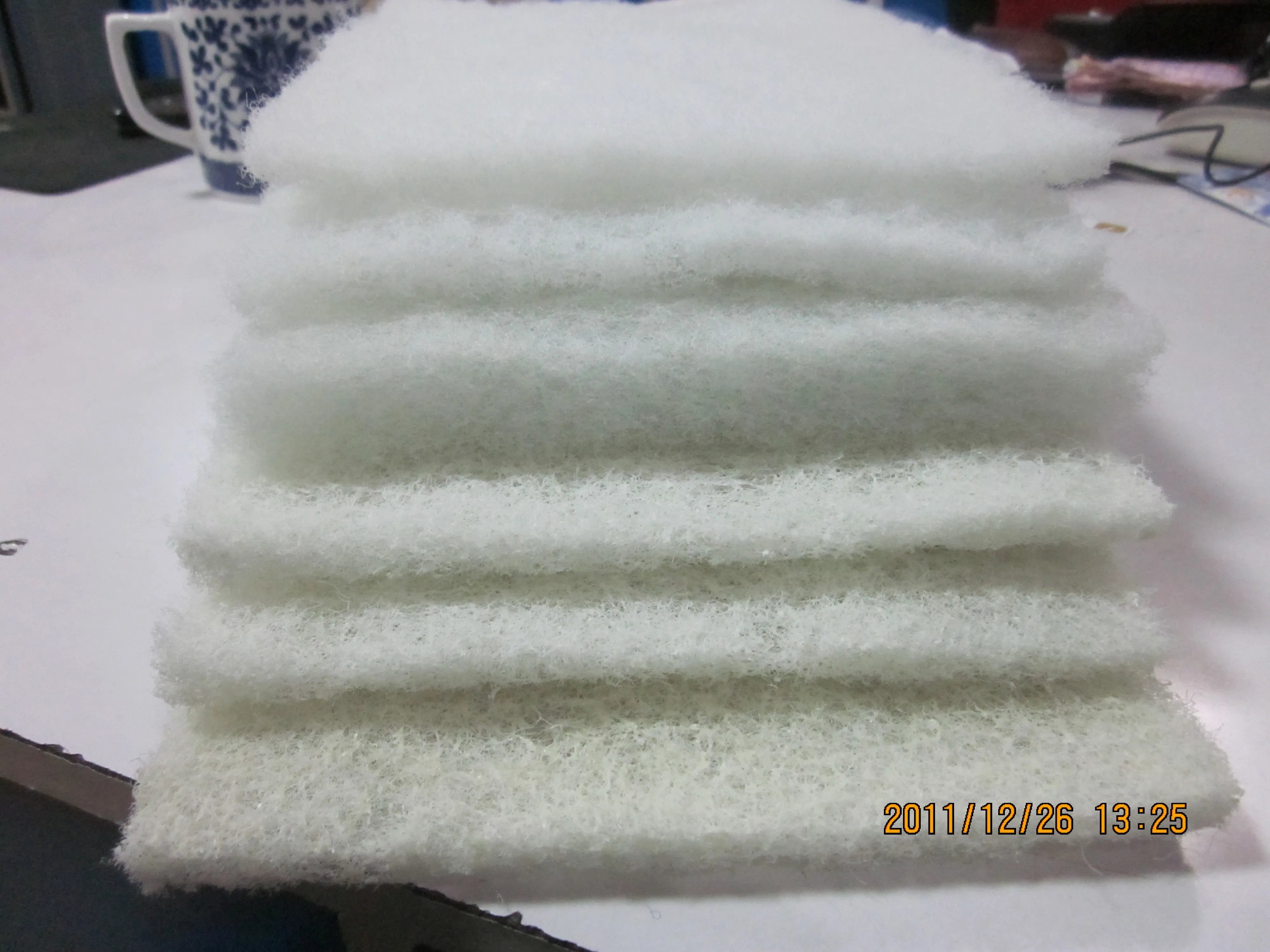
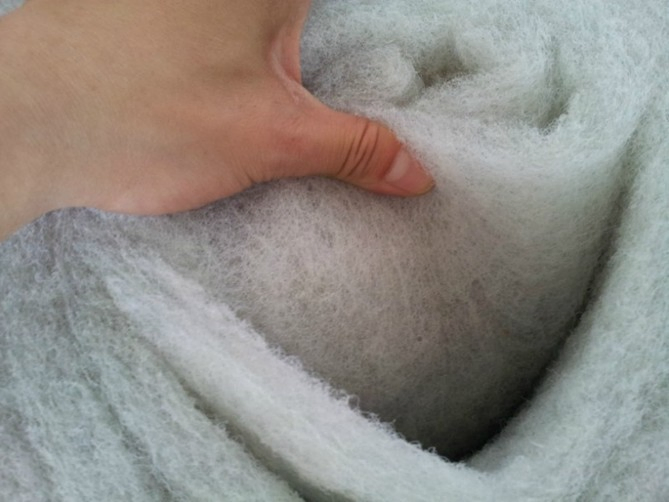
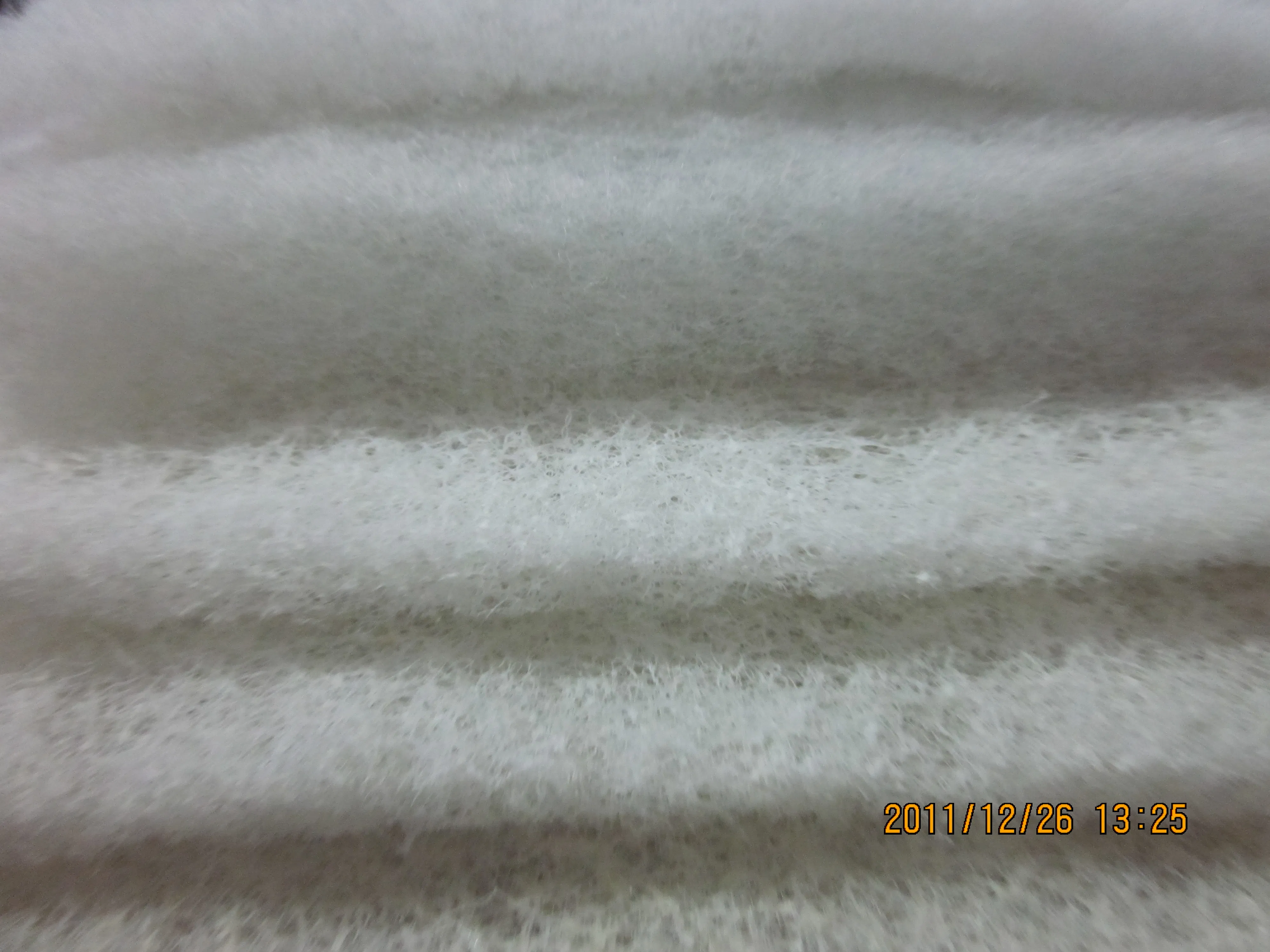
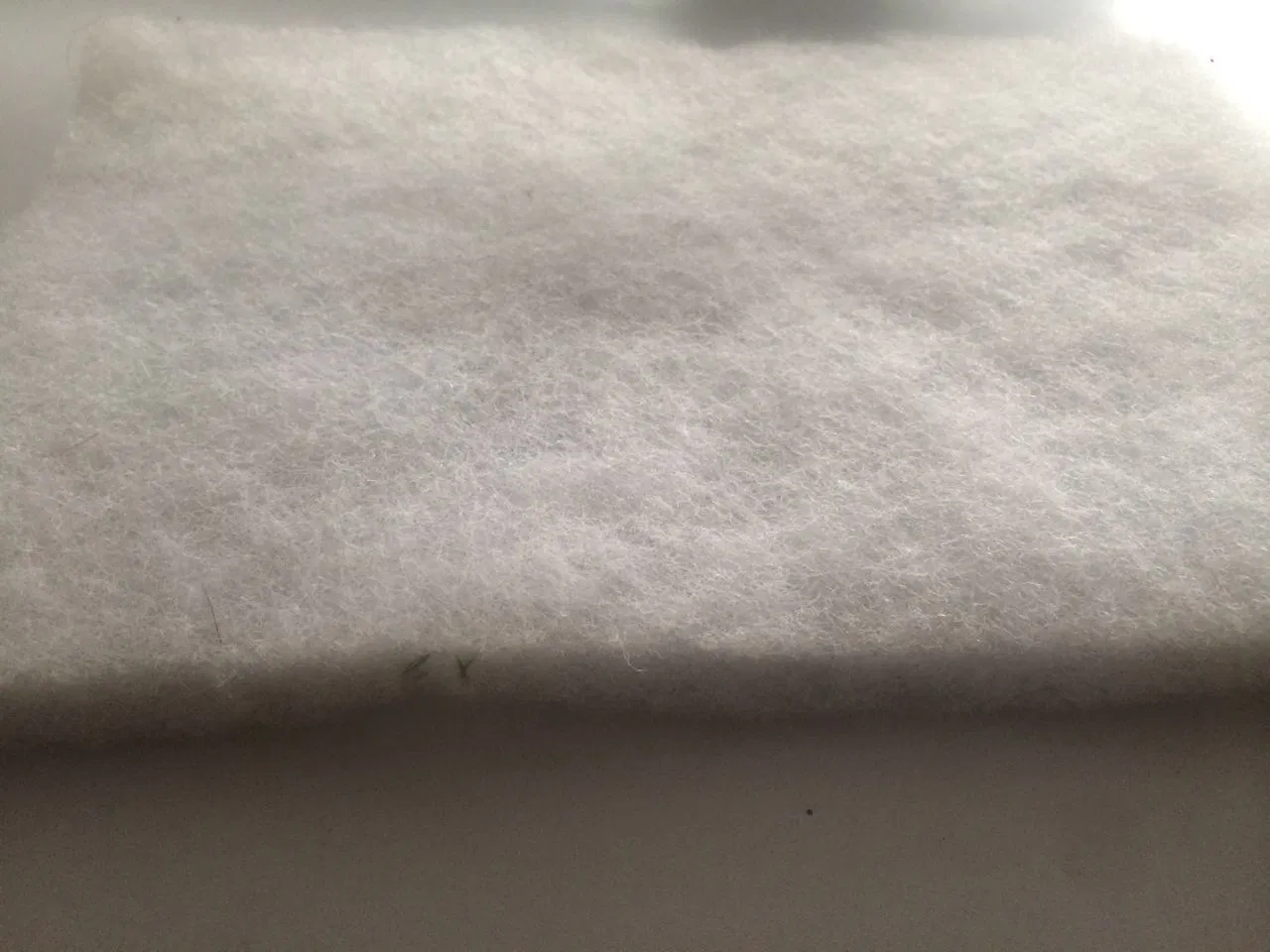
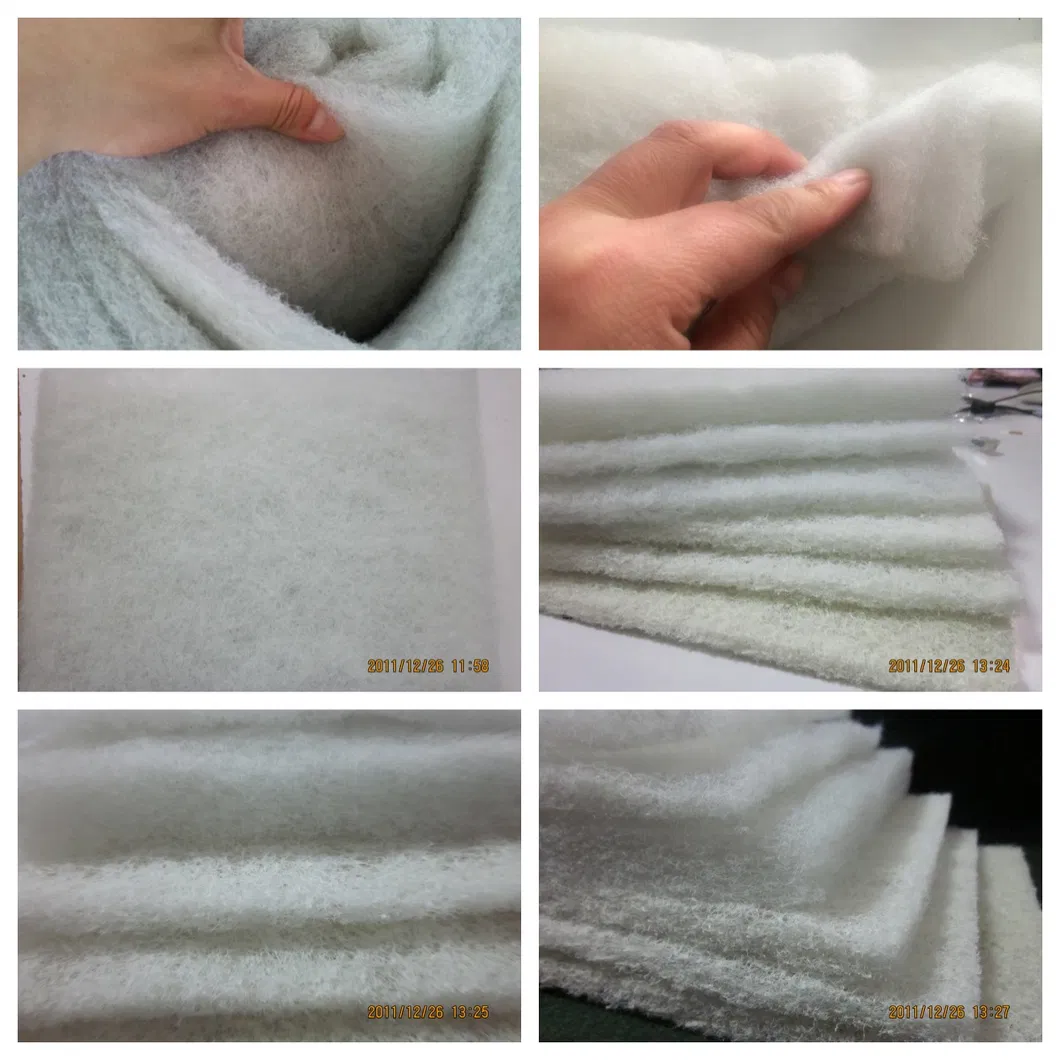
Golf course bunker lining is a specialized three-dimensional matting designed for the steep and complex sides of golf bunkers. It effectively addresses sand movement by trapping sand on slopes, keeping the playing surface intact. Additionally, it serves as a high-performance filtration barrier that prevents subsoil migration from contaminating the bunker sand.
Choosing the right sand is critical for the "finishing touch" of a golf course. Consider these six vital factors:
The sand should stand out against the green lawn. Common choices include white quartz sand, yellow river sand, or specialized red/black varieties.
Angular particles are preferred over smooth ones. Sharp-edged sand grains bind together better, creating resistance that prevents the ball from being buried deep in a "pit."
To prevent water logging after irrigation or rain, permeability should exceed 50cm per hour.
Avoid sands that form a hard shell after contact with water, as this negatively impacts ball playability.
Sand that is too fine causes the ball to bury; sand that is too coarse creates a surface that is too hard. Ideally, bunker sand should match the grain used on green beds to maintain consistency when sand flies onto the green.
Ensure sand is structurally stable. Materials derived from limestone or carbonate may undergo chemical changes and are generally unsuitable.