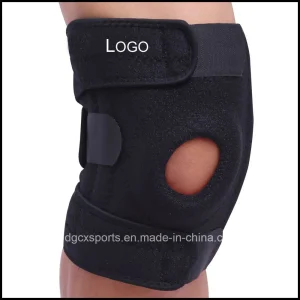
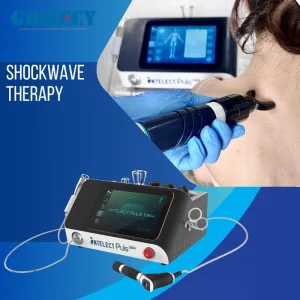
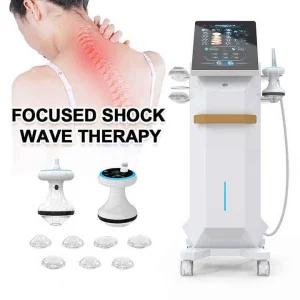
Premium medical devices and soft orthopedic support systems engineered for thermal resilience, durability, and high recovery efficacy in equatorial maritime environments.
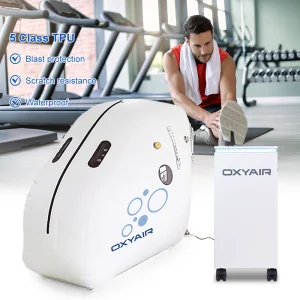
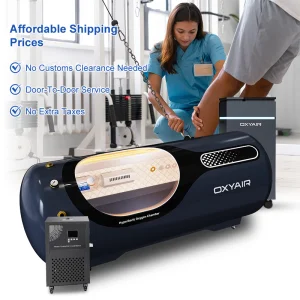
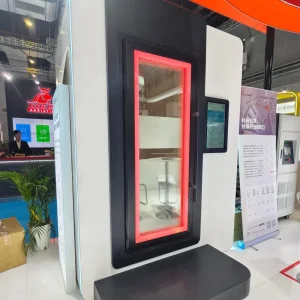
A comprehensive evaluation of maritime logistics, medical device durability under high relative humidity, and structural advantages of partnering with China's advanced supply chain networks.
The Republic of Kiribati, spanning 33 atolls dispersed over 3.5 million square kilometers of the central Pacific Ocean, presents one of the most logistically demanding environments globally for public health management. Historically, the nation's healthcare facilities—centered in the capital of South Tarawa (such as the Tungaru Central Hospital)—have focused primary resources on infectious diseases and rising lifestyle conditions like non-communicable diseases (NCDs). However, as local athletic programs expand (particularly in weightlifting, boxing, and traditional outrigger canoeing) and orthopedic rehabilitation needs surge, the demand for specialized, high-tier sports injury recovery supplies has escalated.
Furthermore, the physiological profile of patient cohorts in Kiribati requires supportive recovery devices that feature superior structural integrity. High mechanical tension capacity in orthopedic braces, high-breathability polymers that prevent localized skin maceration, and easy-to-sanitize surfaces for medical-grade hygiene control are essential to manage musculoskeletal injuries, post-surgical rehabilitation, and degenerative joint diseases.
On a global scale, the sports medicine and injury recovery market is transitioning from passive recuperation models to active, technology-driven therapies. Clinics worldwide are adopting hyperbaric oxygen chambers (HBOT), local and whole-body cryotherapy systems, targeted shockwave therapy devices, and pulsed electromagnetic field (PEMF) systems. These technologies accelerate cellular metabolic recovery, mitigate chronic inflammation, and stimulate soft-tissue repair pathways.
For international procurement departments, government agents, and private distributors in Kiribati, procuring these complex devices requires strict adherence to international quality management and regulatory frameworks, including:
Guarantees that manufacturers employ a comprehensive quality management system specifically for the design and manufacture of medical devices.
Verification of metallic and electrical components against high-salinity corrosive environments using ASTM B117 salt spray testing.
Adhesive materials and neoprene sleeves must pass ISO 10993 cytotoxicity and skin irritation tests to prevent severe dermatological reactions in tropical environments.
The logistical isolation of Kiribati means that import cycles are prolonged, and shipping costs are significant. Therefore, procurement agencies cannot afford supply chains that suffer from high failure rates, manufacturing defects, or unpredictable production lead times. China's advanced manufacturing hubs, particularly exemplified by professional sports medicine and clinical device manufacturers like Hangzhou Sanva Medical Co., Ltd., have integrated Industry 4.0 principles to solve these global B2B procurement pain points.
By utilizing automated precision knitting for elastic supports, electronic sensor-based tension control during wrapping, and cleanroom environments for medical adhesive formulation, Chinese factories achieve unmatched consistency. For high-tech medical machinery like hyperbaric chambers or EMS shockwave machines, components are sourced from validated, highly integrated electronics ecosystems. This allows for rigorous multi-stage quality control (from incoming raw material inspection to final functional endurance tests under high-load cycles), ensuring that the devices sent to Tarawa are operational upon arrival and require minimal maintenance.
The application of advanced sports injury recovery and physical rehabilitation technologies in Kiribati spans several critical use cases:
Explore our verified machinery and compression supports, shipped globally with robust export packaging designed for trans-oceanic shipping routes.
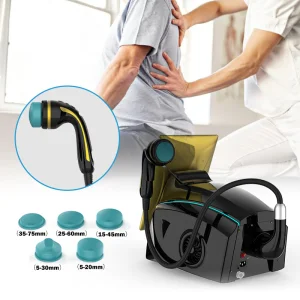
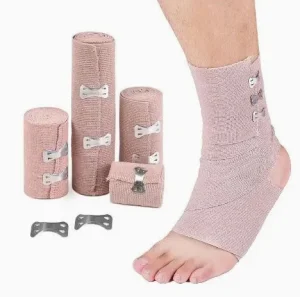
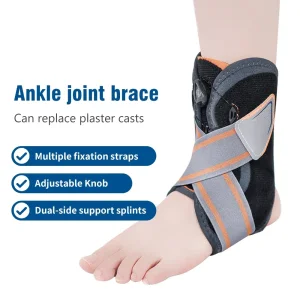
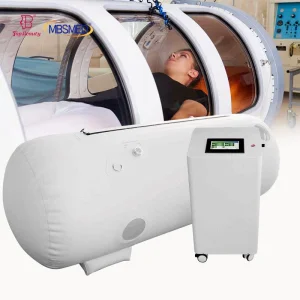
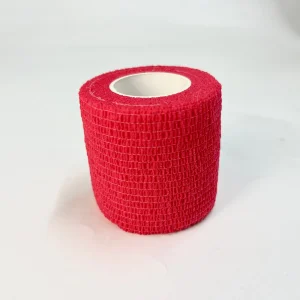
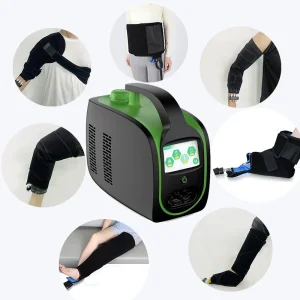
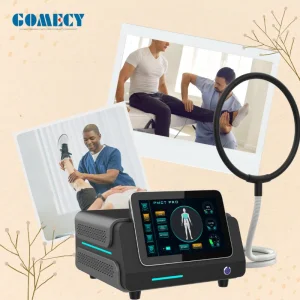
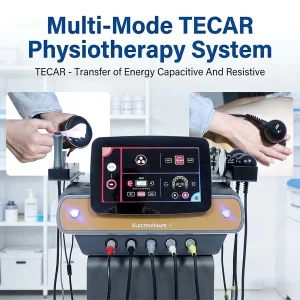
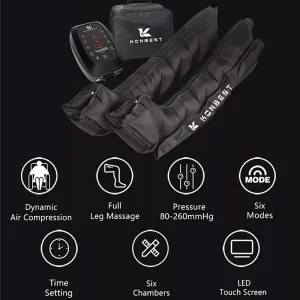

Trusted global partner in high-performance sports taping, clinical compression, and orthopedic support engineering.
Hangzhou Sanva Medical Co., Ltd. is a professional manufacturer specializing in sports taping and medical support solutions, dedicated to delivering high-performance products for injury prevention, rehabilitation, and clinical care. With a strong focus on innovation and quality, the company develops a wide range of products including kinesiology support materials, cohesive fixation solutions, elastic adhesive systems, and advanced medical support bandaging designed for both professional athletes and healthcare providers.
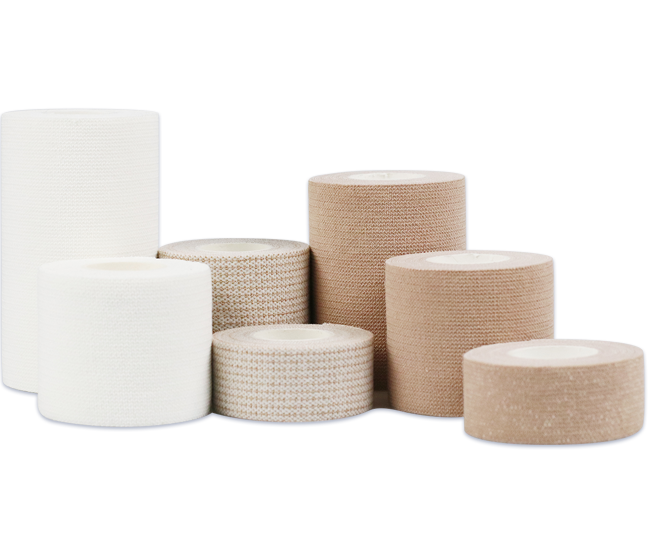
Backed by a skilled R&D team and modern production facilities, Sanva Medical ensures consistent product performance, skin-friendly adhesion, and superior breathability. The company adheres to strict international quality standards, implementing comprehensive quality control processes throughout raw material sourcing, manufacturing, and final inspection to guarantee safety and reliability.
Sanva Medical serves a global customer base across sports medicine, physiotherapy, hospitals, and rehabilitation centers, offering flexible OEM and ODM services to meet diverse market needs. Its products are widely recognized for their durability, comfort, and effectiveness in muscle support, joint stabilization, and recovery enhancement.
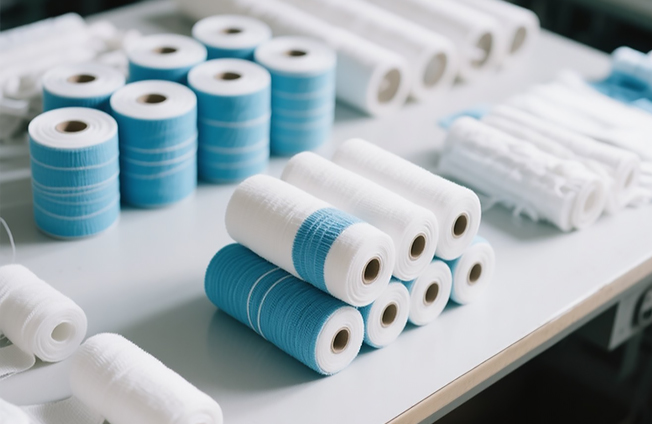
Driven by a commitment to excellence and customer satisfaction, Hangzhou Sanva Medical Co., Ltd. continues to expand its presence worldwide as a trusted partner in sports taping and medical support solutions, delivering value through innovation, quality, and professional service.
Detailed technical answers to help public health administrators, clinic owners, and distributors select the right recovery supplies.
Our medical tapes and cohesive bandages are formulated using advanced medical-grade adhesives designed to maintain consistent tack and shear strength in warm, humid environments. They utilize open-pore weaving structures that guarantee exceptional breathability, allowing moisture (sweat and ambient condensation) to evaporate. This mitigates skin maceration and prevents the adhesive matrix from slipping under tension.
For major capital equipment (like hyperbaric chambers or cryo-chambers) and high-volume consumables (such as elastic crepe bandages), cargo is typically processed at our ISO-certified facilities in China and shipped via maritime pathways routing through key transshipment hubs in Fiji or Australia before arriving at Betio Port, Tarawa. Total transit time ranges from 30 to 45 days. Expedited air freight via Nadi or Brisbane is available for critical medical shortages.
Yes. All electronic rehabilitation systems (including PEMF, Tecar, Shockwave, and Air Compression therapy systems) can be custom-manufactured to match Kiribati's nominal electrical grid profile of 240V at 50Hz, with Type I electrical plugs. We also integrate built-in voltage surge suppression components to protect advanced circuitry against fluctuations common in local Pacific generator grids.
We provide full OEM and ODM services, including customized inner roll cores, private-label box designs, moisture-sealed barrier packaging (essential for oceanic storage), and clinical instruction manuals in English or target local dialects. We support flexible Minimum Order Quantities (MOQs) to assist distributors managing isolated regional retail markets.
Sanva Medical uses strictly validated raw materials. All synthetic rubber, spandex, and cotton components are tested to confirm they are free from natural rubber latex allergens and toxic chemical residues. The adhesive formulas utilize dermatologically safe acrylic polymers that prevent skin irritation even when worn for extended sports performance or rehabilitation cycles.
Yes, our entire line of advanced soft sitting, hard lying, and multi-atmosphere hyperbaric oxygen chambers are fully certified by European CE standards. The production lines adhere strictly to medical equipment directives, verifying that all chambers undergo pressure, gas-tightness, and safety release valve calibration tests before leaving our export facility.
 Sanva Medical