Engineered for superior clinical performance, rehabilitation enhancement, and localized micro-structural support.

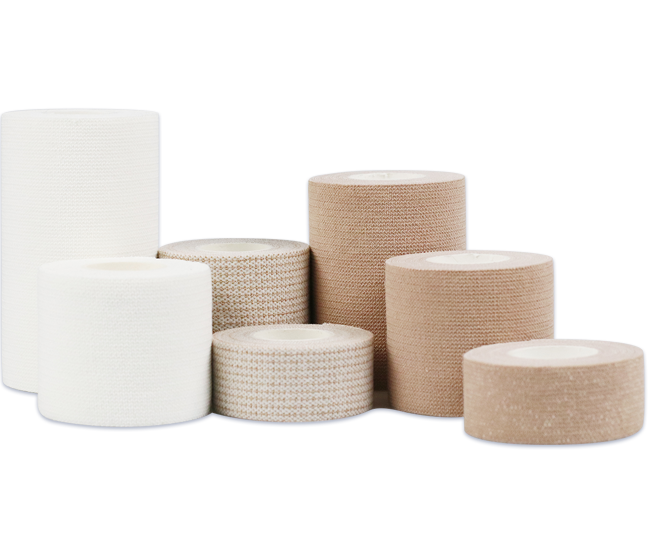
In the modern era of sports medicine and neuromuscular rehabilitation, the science of taping has evolved from static constraint to dynamic biomechanical management. Unlike traditional athletic rigid strapping tape designed to restrict motion, or standard kinesiology tape primarily designed to target neurosensory pathways through skin elevation, Dynamic Taping represents a unique paradigm. It introduces external mechanical force directly into the kinetic chain.
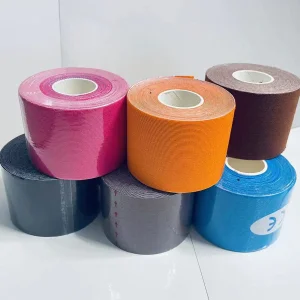
Key Difference: Dynamic tape exhibits highly elastic, four-way stretch behavior without a rigid endpoint, acting as a soft-tissue orthotic.By storing and releasing kinetic energy during physical movement, dynamic tape reduces the workload on damaged or fatiguing muscles, stabilizes joint structures, and manages localized biomechanical stresses. This mechanism—known as force deceleration and load redistribution—is critical for sports injury recovery, chronic tendinopathy care, and physical performance optimization.
| Performance Dimension | Traditional Rigid Tape | Kinesiology Tape | Dynamic Taping (Sanva Premium) |
|---|---|---|---|
| Primary Mechanism | Strict Mechanical Immobilization | Neurosensory Stimulation (Dermal Lift) | Biomechanical Load Absorption & Recoil |
| Stretch Axis | Non-elastic / Rigid | 2-Way (Unidirectional Stretch) | 4-Way (Multi-directional Stretch) |
| Elasticity Capacity | None (0% stretch limit) | 130% - 140% elasticity | Over 200% dynamic recoil elasticity |
| Core Clinical Goal | Restrict Range of Motion (ROM) | Improve Lymph Flow & Nociception | Decelerate Load & Assist Motion |
Physiotherapists, sports orthopedists, and athletic trainers utilize dynamic taping techniques to target anatomical structures requiring deceleration of forces. Below is a comprehensive guide to the top 10 techniques utilized in professional sports settings and clinical environments worldwide:
Developed to manage patellofemoral pain syndrome (PFPS), this technique absorbs joint shear forces during knee flexion. The tape is applied while the knee is in full extension. Anchoring begins at the lateral thigh, pulling diagonally across the superior aspect of the patella to the medial tibial tuberosity. The mechanical recoil pulls the patella medially, alleviating lateral pressure tracking issues without restricting overall joint mobility.
Mimicking the windlass mechanism, this technique provides structural support to the medial longitudinal arch. Applied with the foot in a shortened position (plantarflexion and hallux extension), the tape is anchored from the calcaneus and run along the plantar surface to the metatarsophalangeal joints. When the foot bears weight, the tape stretches and absorbs the force, reducing strain on the plantar fascia insertional fibers.
Designed to decelerate ankle dorsiflexion and assist plantarflexion. The tape is anchored on the distal aspect of the foot (under the metatarsals) and applied over the Achilles tendon to the gastrocnemius muscle belly while the foot is in plantarflexion. As the eccentric load is applied during foot strike, the tape absorbs the tension, protecting the Achilles tendon from micro-tears and excessive stress.
Anterior and posterior instability is managed by placing the shoulder in a neutral retraction position. The tape is applied in a cross-brace configuration over the deltoid and glenohumeral joint space. By providing multi-directional elastic recoil, it assists the rotator cuff muscles in centering the humeral head within the glenoid fossa.
Targeting the extensor carpi radialis brevis (ECRB) origin, this technique reduces the mechanical pull on the lateral epicondyle during wrist extension. The tape is anchored on the dorsal hand, passed over the wrist joint, and applied to the lateral epicondyle with the elbow extended and wrist flexed. It absorbs forearm muscle forces during repetitive gripping.
This dual-strip configuration supports the erector spinae. With the patient in a flexed forward position, vertical strips are anchored on the gluteal muscles and run up parallel to the spine. Upon standing and lifting, the elastic recoil assists the back muscles, lowering lumbar shear stress during heavy lifting or prolonged flexed postures.
Unlike rigid strapping, this dynamic application allows full normal motion but restricts extreme range of motion under high velocity. Applied from the medial malleolus, wrapping under the calcaneus and crossing the lateral ankle, the tape acts as an elastic spring that tightens during rapid inversion, protecting the anterior talofibular ligament (ATFL).
Applied to the posterior thigh during terminal swing phase in sprinting, when the hamstrings are working eccentrically. With the hip flexed and knee extended, the tape is anchored at the ischial tuberosity and run down to the tibial attachments. The recoil assists the hamstring group, mitigating strain injuries.
Targeting the Triangular Fibrocartilage Complex (TFCC), this technique applies a circular dynamic force to stabilize the distal radioulnar joint (DRUJ). The tape wraps around the wrist in a figure-eight configuration, absorbing torsional loads while allowing manual laborers and athletes to maintain wrist extension and flexion.
Using a dynamic cross configuration over the upper thoracic region. Anchored on the acromioclavicular joints and crossed over the T3-T4 vertebrae, the tape applies a constant posterior pull. When the patient slumps, the elastic tension reminds the nervous system and mechanically assists the thoracic extensors to maintain an upright posture.
Hangzhou Sanva Medical Co., Ltd. is a professional manufacturer specializing in sports taping and medical support solutions, dedicated to delivering high-performance products for injury prevention, rehabilitation, and clinical care. With a strong focus on innovation and quality, the company develops a wide range of products including kinesiology support materials, cohesive fixation solutions, elastic adhesive systems, and advanced medical support bandaging designed for both professional athletes and healthcare providers.
Backed by a skilled R&D team and modern production facilities, Sanva Medical ensures consistent product performance, skin-friendly adhesion, and superior breathability. The company adheres to strict international quality standards, implementing comprehensive quality control processes throughout raw material sourcing, manufacturing, and final inspection to guarantee safety and reliability.
Sanva Medical serves a global customer base across sports medicine, physiotherapy, hospitals, and rehabilitation centers, offering flexible OEM and ODM services to meet diverse market needs. Its products are widely recognized for their durability, comfort, and effectiveness in muscle support, joint stabilization, and recovery enhancement.
Driven by a commitment to excellence and customer satisfaction, Hangzhou Sanva Medical Co., Ltd. continues to expand its presence worldwide as a trusted partner in sports taping and medical support solutions, delivering value through innovation, quality, and professional service.
Capitalizing on supply chain efficiency, advanced material science, and global compliance.
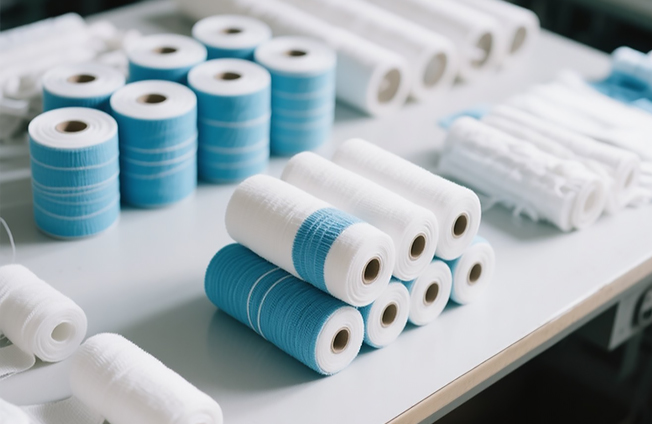
Our proximity to premium raw chemical precursors and woven textiles reduces lead times. We control the process from raw yarn spinning and polymer synthesis to precision coating, converting, and packaging.
Sanva Medical offers full OEM/ODM flexibility. We can adjust the adhesive coat weights, print custom designs, develop proprietary elastic ratios, and create retail-ready packaging customized for your local market.
Our manufacturing protocols align with FDA registrations, CE markings, and ISO 13485 certifications. This ensures that every shipment meets the strict import and clinical safety guidelines of North America, Europe, and Asia.
Global healthcare systems and sports retail brands are facing shifting consumer expectations. Traditional cotton kinesiology tapes, though popular, are increasingly viewed as commodity products with limited dynamic action. Today's professional procurement managers, high-performance sports clubs, and medical distributors are actively searching for "smart" sports medicine products that demonstrate measurable mechanical function.
To meet these shifting demands, Hangzhou Sanva Medical Co., Ltd. provides macro-level supply chain solutions designed to streamline procurement, optimize freight costs, and ensure consistent inventory levels. By offering low minimum order quantities (MOQs) on custom colors, combined with large-scale production capabilities, we act as a secure backbone for global health and wellness brands.
The performance of dynamic tape depends on its adhesive technology and fabric composition. Our manufacturing facility uses a unique synthetic nylon-spandex blend that offers 4-way flexibility. This synthetic matrix is paired with a highly stable, medical-grade, pressure-sensitive acrylic adhesive.
Answering technical, sourcing, and clinical inquiries regarding dynamic taping solutions.
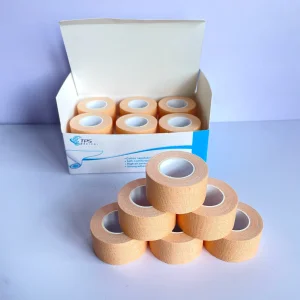
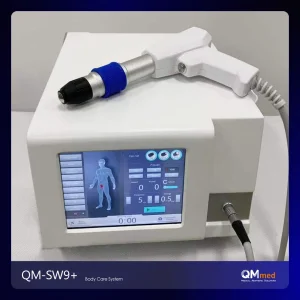
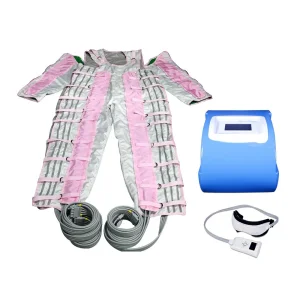
Explore our range of clinical, orthopedic, and dynamic support products, manufactured to the highest international standards.
 Sanva Medical