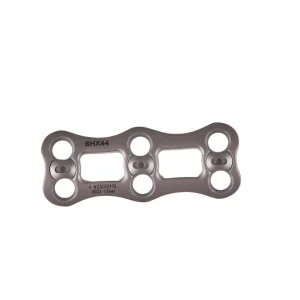
Explore our premium range of clinical equipment, therapeutic devices, and advanced chemical materials engineered to meet international safety and performance standards.
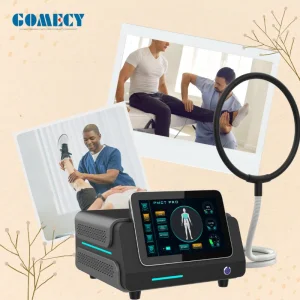
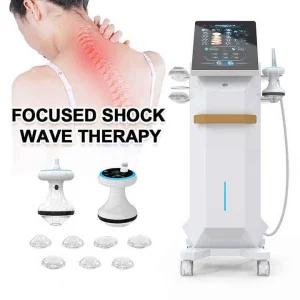
Hangzhou Sanva Medical Co., Ltd. leads the industry in manufacturing dependable clinical fixation and advanced athletic support systems.
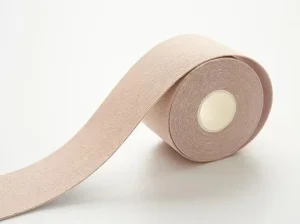
Hangzhou Sanva Medical Co., Ltd. is a professional manufacturer specializing in sports taping and medical support solutions, dedicated to delivering high-performance products for injury prevention, rehabilitation, and clinical care. With a strong focus on innovation and quality, the company develops a wide range of products including kinesiology support materials, cohesive fixation solutions, elastic adhesive systems, and advanced medical support bandaging designed for both professional athletes and healthcare providers.
Backed by a skilled R&D team and modern production facilities, Sanva Medical ensures consistent product performance, skin-friendly adhesion, and superior breathability. The company adheres to strict international quality standards, implementing comprehensive quality control processes throughout raw material sourcing, manufacturing, and final inspection to guarantee safety and reliability.
Sanva Medical serves a global customer base across sports medicine, physiotherapy, hospitals, and rehabilitation centers, offering flexible OEM and ODM services to meet diverse market needs. Its products are widely recognized for their durability, comfort, and effectiveness in muscle support, joint stabilization, and recovery enhancement.
Driven by a commitment to excellence and customer satisfaction, Hangzhou Sanva Medical Co., Ltd. continues to expand its presence worldwide as a trusted partner in sports taping and medical support solutions, delivering value through innovation, quality, and professional service.
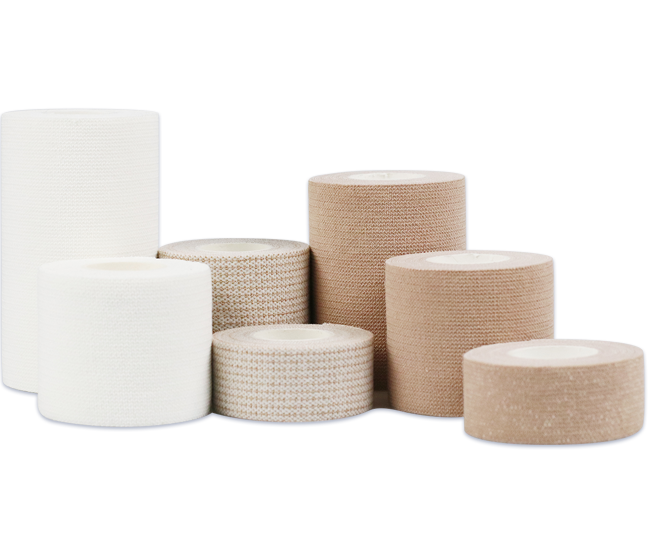
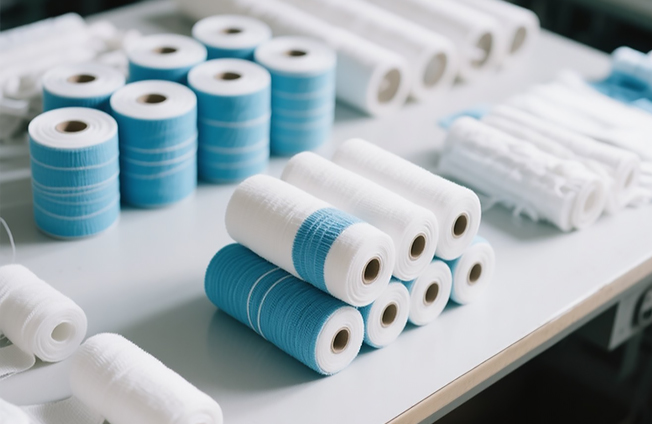
An in-depth analysis of material innovation, infection prevention, and patient comfort protocols in contemporary vascular access securement.
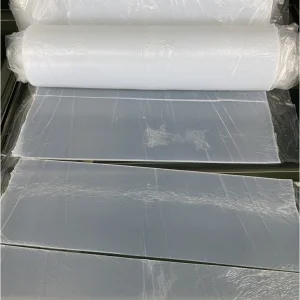
High-performance polyurethane (PU) membranes are formulated to optimize gas and moisture breathability. By maintaining high MVTR (typically > 3000g/m²/24h), these dressings prevent the buildup of moisture under the film, mitigating the risk of cutaneous bacterial proliferation and eventual catheter dislodgement.
Modern IV retention films behave as a sterile barrier against external pathogens, including MRSA, Pseudomonas aeruginosa, and other common sources of Catheter-Related Bloodstream Infections (CRBSIs). The physical shield prevents exogenous contamination while keeping the insertion site dry.
By transitioning from aggressive acrylic formulations to pressure-sensitive adhesives (PSA) and medical-grade soft silicone interfaces, we achieve optimal initial tack and securement without inducing mechanical tissue stripping during dressing removal.
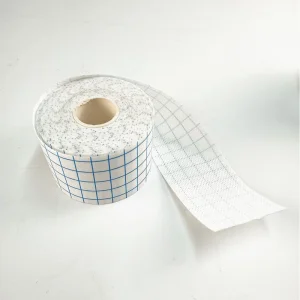
In modern clinical environments, intravenous (IV) catheters represent the most ubiquitous invasive medical procedures. Securing these devices effectively is crucial; catheter dislodgement or migration leads to therapy interruption, increased healthcare costs, and patient distress. Over the last decade, IV dressing retention systems have evolved from simple non-woven adhesive strips to highly engineered transparent polyurethane (PU) films integrated with stabilization borders, securement notches, and antimicrobial agents.
Leading Chinese exporters and manufacturers, utilizing highly automated production pipelines, have established themselves as key innovators in this sector. Our primary engineering focus centers on balancing the physical securement force of the dressing against the physiological tolerance of human skin. Through careful selection of raw polymers and specialized medical adhesive coating weights, we manufacture dressings that remain anchored for up to seven days while safeguarding skin integrity.
How state-of-the-art manufacturing infrastructure and vertical integration support the global healthcare distribution network.
China's medical manufacturing hubs benefit from highly integrated local industrial clusters. The supply chain for advanced wound care and securement systems begins with high-purity medical polyurethane synthesis, precision film extrusion, and custom pressure-sensitive adhesive synthesis, all located within proximal manufacturing corridors.
This geological integration guarantees that factories can source raw medical materials under strict quality control agreements while keeping logistics costs to a minimum. Advanced die-cutting and high-capacity slitting machinery enable rapid adaptation of design profiles, satisfying customized shapes for specific catheter securement systems (such as PICC, CVC, and peripheral IV lines).
A typical Chinese medical adhesive exporter operates modern machinery capable of producing millions of sterile dressing units monthly. The integration of inline web inspections allows real-time detection of film voids, adhesive skips, and foreign particles.
Ensuring cross-border compliance, biocompatibility certification, and localized packaging for target import markets.
Our materials undergo strict testing under ISO 10993 guidelines, including cytotoxicity (ISO 10993-5), sensitization (ISO 10993-10), and intracutaneous irritation testing. This guarantees that all medical adhesives do not cause adverse dermatological reactions upon prolonged contact.
Chinese exporters regularly host audits from notified bodies and regulatory agencies worldwide. We sustain active technical documentation files for US FDA 510(k) registrations, EU MDR Class I Sterile CE certifications, and various South American/Asian regulatory filings.
To support regional medical distributors, we provide complete artwork customization. This includes multi-lingual labeling, specific peeling instruction graphics, distinct visual layouts, and localized UDI (Unique Device Identification) barcode implementation.
Note on Regulatory Evolution: Under the European Union Medical Device Regulation (EU MDR 2017/745), class Class I sterile devices (such as sterile IV dressings) face strict conformity assessment procedures. Our factories provide complete Technical Documentation (TD) files, including sterile validation reports (EN ISO 11135), shelf-life study data, and post-market clinical follow-up (PMCF) plans to ensure seamless market access.
Analyzing the specific mechanical, physical, and anatomical criteria demanded across various hospital departments.
In the ICU, multiple central venous catheters (CVCs) and arterial lines are deployed concurrently. These lines demand high-security dressings that resist movement from sweat and frequent repositioning. The application of reinforced border dressings with integrated tape strips reduces the risk of accidental catheter displacement, safeguarding patients against critical therapy interruptions.
Neonatal skin is undeveloped, thin, and highly susceptible to epidermal stripping. Standard medical adhesives can cause significant trauma. Here, specialized dressings with gentle silicone-based adhesives are utilized. These dressings seal gently over the peripheral IV site and can be removed with zero tension, preventing epidermal tears while maintaining proper placement on highly active pediatric patients.
Cancer patients undergoing continuous chemotherapy treatments depend on peripherally inserted central catheters (PICCs) or implanted ports. Because these devices stay in place for several months, the skin around them is exposed to repeated dressing changes. Utilizing dressings with high breathability (high MVTR) and skin-protectant interfaces prevents localized contact dermatitis and maintains skin barrier integrity.
In rapid-paced trauma environments, IV lines must be secured instantly under sweat, blood, and outdoor elements. This requires a high-performance adhesive with immediate wet-tack properties. Emergency medical service (EMS) dressings often feature large adhesive surfaces, simplified application frames for one-handed deployment, and reinforced stabilization features.
Partnering with China's leading medical device manufacturer is structured to ensure quality, transparency, and timely delivery.
Specify film thickness, adhesive material (silicone/acrylic), shape contours, and stabilization border styles based on clinical applications.
Production of samples followed by mechanical testing (peel adhesion force, shear strength) and biocompatibility reviews.
Conformity verification under ISO 11135 for Ethylene Oxide (EO) sterilization, ensuring zero microbial activity and safe gas residues.
Production in cleanroom facilities with batch trace records, final release certificates, and logistics coordination to port.
Answering key clinical, regulatory, and logistics queries for international distributors and hospital procurement specialists.
A standard clinical-grade transparent polyurethane dressing is engineered for a wear-time of 5 to 7 days, depending on patient skin condition and moisture exposure. The adhesive formula ensures the film does not peel prematurely at the borders, maintaining a secure barrier throughout the catheter dwell time.
We verify breathability using the ASTM E96 water method or the inverted cup test as outlined in EN 13726-2. Our technical values are measured in grams of moisture vapor transmitted per square meter over 24 hours (g/m²/24h). Higher MVTR values are associated with lower moisture accumulation under the film and reduced bacterial replication rates.
Yes, we provide specialized OEM and ODM development services. Based on our manufacturing expertise in medical support adhesives and clinical fixation systems, we can tailor the size, shape, backing materials, and adhesive systems to match the specific market requirements of our clients.
Each export batch is accompanied by a Certificate of Analysis (COA), EO Sterilization Validation documentation, ISO 13485:2016 factory audit reports, and, where applicable, conformity declarations for the European CE (MDR) or US FDA listings. We maintain complete batch traceability to ensure safety and clinical responsibility.
We utilize solvent-free hot-melt and emulsion-based acrylic or silicone adhesives that do not contain known sensitizing chemicals. These formulas undergo regular biocompatibility tests under ISO 10993-10, demonstrating zero skin sensitization and no primary irritation reactions.
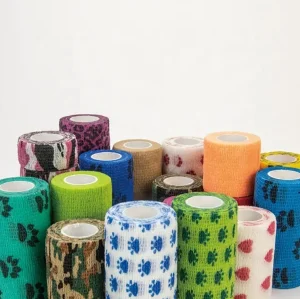
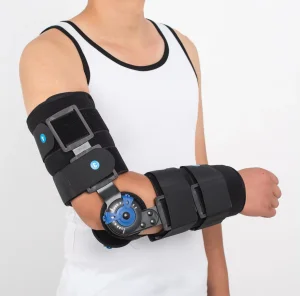
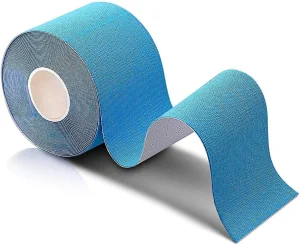
Premium orthopaedic support products, self-adhesive dressings, and clinical packaging materials engineered for healthcare and veterinary applications.
 Sanva Medical