Decoding the dynamics of medical adhesives, structural body fixation tapes, and global distribution channels.
The global demand for high-performance body fixation tapes has shifted from simple mechanical support to sophisticated biocompatible interfaces. Modern healthcare, sports rehabilitation, and orthopedic medicine demand adhesives that balance aggressive initial tack, structural integrity, moisture-vapor transmission, and hypo-allergenic properties. For procurement officers and clinical managers, identifying premium manufacturers who can maintain consistency under strict medical regulatory systems is a strategic necessity.
As the international community enforces more stringent requirements under EU MDR, FDA registration, and ISO 13485 standards, suppliers are forced to innovate. This industry whitepaper breaks down the technical parameters, production dynamics, and supply chain strategies that define the leading global suppliers in the body fixation space.
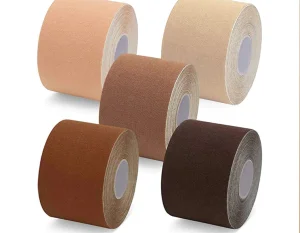
The mechanical performance of body fixation tape depends entirely on its structural layers. Under pressure, during intense sweat or dynamic orthopedic movements, physical properties define the product's performance.
Adhesion systems are typically divided into Acrylic Pressure-Sensitive Adhesives (PSA) and Silicone-based gels. Acrylic offers high initial grab and structural support, whereas Silicone is optimized for fragile skin, reducing epidermal stripping during removal.
High breathability is vital. Tapes engineered with porous patterns allow sweat and moisture to escape, preventing maceration of the underlying skin. Industrial-grade body tapes target an MVTR of over 2500g/m²/24h.
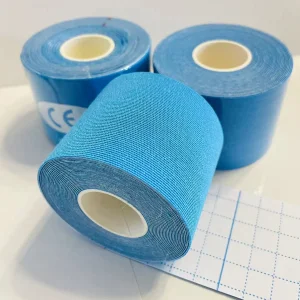
Standard kinesiology and fixation tapes require dynamic flexibility. They mimic human skin elasticity, providing a baseline strain rate of 140% to 180% elongation with minimal plastic deformation after repeated movement cycles.
Emerging trends in wearable intelligence and sustainable material engineering.
The fixation tape industry is preparing for a technological shift. Over the next five years, smart medical adhesives and sustainable bio-polymers will change from niche concepts to core requirements. Leading manufacturers are investing heavily in these R&D fields:
Diverse applications require specialized product design. Quality manufacturers customize their material recipes to meet the distinct challenges of multiple industries.
Demands heavy sweat-resistant adhesives and high cotton-spandex tensile strength. Products must survive high-shear sports environments while protecting joint kinematics and ligament stability.
Prioritizes absolute biocompatibility, sterilization compatibility (EO, Gamma), and minimal trauma removal. These tapes secure drainage lines, surgical dressings, and IV tubes safely.
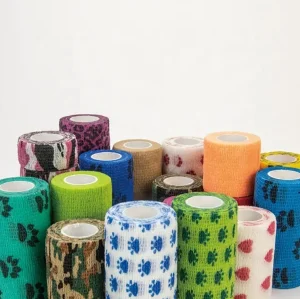
Requires cohesive, self-adhering characteristics that stick to themselves but never to fur or feathers. This allows secure positioning on active animals without leaving sticky residues.
Sourcing medical class medical devices requires absolute regulatory compliance to avoid customs issues, recalls, and consumer liabilities.
Navigating global healthcare markets requires suppliers to carry a robust suite of certifications. Different regions enforce strict regulatory controls:
Analyzing the manufacturing capabilities, R&D focus, and quality control systems of a leading industry manufacturer.
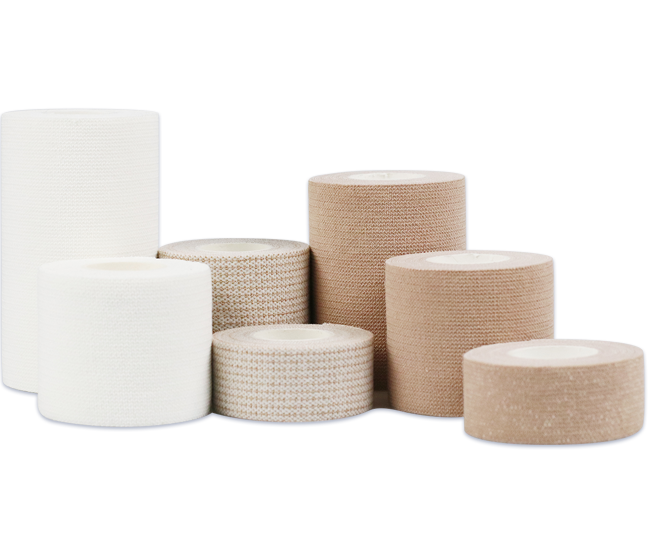
Hangzhou Sanva Medical Co., Ltd. is a professional manufacturer specializing in sports taping and medical support solutions, dedicated to delivering high-performance products for injury prevention, rehabilitation, and clinical care. With a strong focus on innovation and quality, the company develops a wide range of products including kinesiology support materials, cohesive fixation solutions, elastic adhesive systems, and advanced medical support bandaging designed for both professional athletes and healthcare providers.
Backed by a skilled R&D team and modern production facilities, Sanva Medical ensures consistent product performance, skin-friendly adhesion, and superior breathability. The company adheres to strict international quality standards, implementing comprehensive quality control processes throughout raw material sourcing, manufacturing, and final inspection to guarantee safety and reliability.
Sanva Medical serves a global customer base across sports medicine, physiotherapy, hospitals, and rehabilitation centers, offering flexible OEM and ODM services to meet diverse market needs. Its products are widely recognized for their durability, comfort, and effectiveness in muscle support, joint stabilization, and recovery enhancement. Driven by a commitment to excellence and customer satisfaction, Hangzhou Sanva Medical Co., Ltd. continues to expand its presence worldwide as a trusted partner in sports taping and medical support solutions, delivering value through innovation, quality, and professional service.
How automation and vertical supply integration yield predictable costs and steady production output.
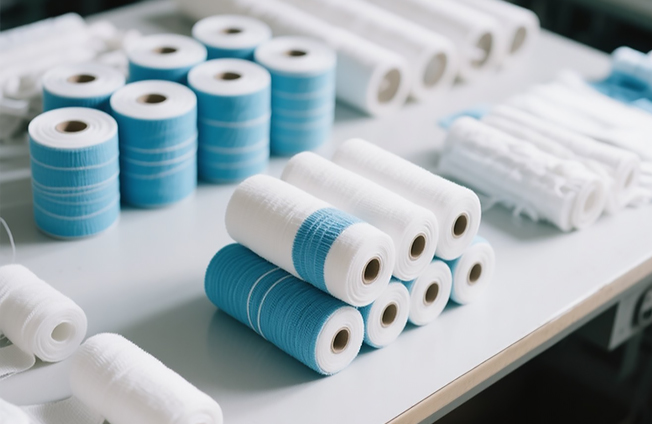
The manufacturing ecosystem for medical adhesives in China has transitioned to smart automation. Factory 4.0 standards mean precision coating lines, real-time quality control, and minimal manual contact during packaging. This setup provides major benefits to global buyers:
A systematic methodology for supply chain managers to assess and qualify prospective OEM partners.
When selecting a supplier from the top global providers, procurement teams should evaluate potential partners using this key checklist:
Verify valid certificates for ISO 13485 and ISO 9001. Request recent internal auditing reports and clean documentation for raw material tracking.
Test the supplier's willingness to adjust fabric weight, adhesive composition (e.g. customized tack levels), and custom core branding with your logo.
Examine the supplier's safety stock policy, transit times to ports (like Shanghai or Ningbo), and their backup plans for sourcing raw substrates during market disruptions.
Answering crucial industry questions about compliance, technical testing, and custom ordering.
 Sanva Medical