How to Use Support Taping to Improve Blood Circulation

Time:2026-09-28 Author:Oliver
0%

Support taping appears in sports clinics, rehabilitation rooms, and on runners’ shoulders and knees. Its purpose is usually to support movement without tightly immobilizing a joint. Interest in circulation is understandable: the World Health Organization’s 2024 global estimates indicate that about 1.8 billion adults did not meet recommended physical activity levels in 2022. Movement matters for cardiovascular health, but tape is not a substitute for exercise or medical care.

So, how does support taping enhance blood circulation? Some taping methods are thought to gently lift the skin, potentially changing pressure in superficial tissues and supporting local fluid movement. That explanation is plausible, but it should not be presented as a guaranteed effect. Reviews of kinesiology taping research describe mixed findings, and evidence does not establish that taping reliably increases blood flow in every person or condition. The feel of a strip lifting at the edge is not proof of improved circulation. A useful guide should separate proposed mechanisms from measured results, explain safe application, and set realistic expectations. Small details matter: tape should not cause numbness, tingling, skin discoloration, or increasing pain. Remove it if these occur. Persistent swelling, unusual coldness, or color changes deserve assessment by a qualified health professional, rather than another layer of tape.
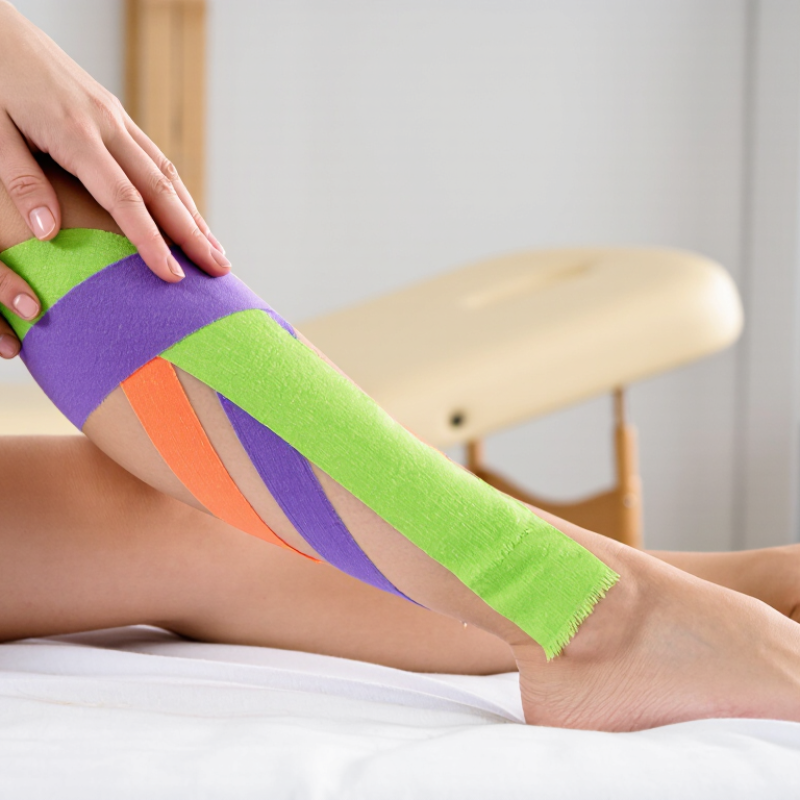
How to Use Support Taping to Improve Blood Circulation

How Support Taping May Affect Local Circulation

How to Use Support Taping to Improve Blood Circulation

How Support Taping May Affect Local Circulation

Support tape is sometimes used to support movement or ease a sense of tightness. Its effect on local circulation is less certain. Elastic tape may gently lift or shift the skin as the body moves, changing pressure and sensory input in the area. However, current evidence does not show that taping reliably improves blood flow. A warm feeling beneath the tape is not proof of better circulation.

Fit matters. Tape applied too tightly, or wrapped around a limb, can create unwanted pressure. Skin may also become itchy or red from adhesive. That part is easy to overlook. People with reduced sensation, fragile skin, or a diagnosed circulation problem should ask a healthcare professional before using tape.

Tips: Apply tape to clean, dry skin without stretching it tightly. Check the area after application. Remove the tape if you notice pain, tingling, unusual swelling, numbness, or skin that looks pale or bluish. If these changes persist, seek medical advice rather than adding more tape.

How to Use Support Taping to Improve Blood Circulation

How support taping may affect local circulation

Elastic support taping is sometimes proposed to influence local blood or lymph flow, but a reliable circulation benefit has not been established. The chart summarizes the evidence qualitatively; its scores are not measured changes in blood flow. A score of 0 means a benefit is not established, 1 indicates a plausible mechanism or limited evidence, and 2 indicates consistent evidence.

When Support Taping May Be Appropriate

When Support Taping May Be Appropriate

Support taping may be considered for mild swelling or discomfort after a minor sprain, once a clinician has ruled out serious injury. It can offer light sensory feedback during movement. It is not a proven way to improve blood flow or treat circulation problems. A 2014 systematic review in Sports Medicine examined 10 studies of kinesiology taping and found limited evidence for meaningful clinical benefits. That limitation matters.

A physiotherapist may suggest tape alongside exercises or other care, depending on the injury and skin condition. Apply it without pulling tightly, and check the skin regularly. Remove it if you notice itching, numbness, increasing pain, or changes in skin color or temperature. I would reassess the plan, too, rather than assuming the tape is helping.

Do not use tape to manage suspected blood clots or unexplained swelling. The U.S. Centers for Disease Control and Prevention estimates that up to 900,000 people in the United States are affected by deep vein thrombosis or pulmonary embolism each year. Sudden one-sided leg swelling, warmth, chest pain, or shortness of breath needs prompt medical attention. Tape cannot replace that assessment.

Preparing the Skin and Choosing the Tape

How to Use Support Taping to Improve Blood Circulation
Preparing the Skin and Choosing the Tape

Good preparation helps tape adhere comfortably and makes skin changes easier to notice. Wash the area with mild soap and water, then dry it fully. Remove lotions and oils; they can loosen the adhesive. Check for cuts, rashes, blisters, or unusual swelling. Don’t tape over irritated or broken skin. A small patch test can reveal sensitivity. Wait and check for itching or redness before applying a larger piece. Skin reactions are easy to overlook.

Choose a flexible, skin-safe tape intended for support, and follow its package directions. The right width should cover the target area without bunching. Tape should feel secure, not tight. Avoid wrapping it firmly around a limb, since pressure may restrict blood flow. Support taping may aid comfort and movement, but it cannot reliably correct poor circulation. If you have reduced sensation, diabetes, known vascular problems, or unexplained swelling, ask a healthcare professional before taping. Remove the tape if you notice numbness, tingling, increased pain, pale or bluish skin, or a cold hand or foot.

Tips: Trim sharp corners to reduce peeling. Keep the skin relaxed while applying tape. Check the area again after a few minutes. Small details matter; I still find it easy to miss a wrinkle near a joint.

How to Use Support Taping to Improve Blood Circulation - Preparing the Skin and Choosing the Tape

Step or decision Practical guidance Useful selection or application details Safety check
Check whether taping is appropriate Use tape only as a comfort or movement-support aid. Evidence that elastic support tape improves circulation is limited; it should not be relied on to treat poor circulation or unexplained swelling. For persistent swelling, pain, numbness, color changes, or a limb that feels unusually cold, seek medical advice before taping. Sudden one-sided swelling, warmth, redness, or pain needs prompt medical assessment. Do not tape over a suspected blood clot.
Inspect the skin Choose intact, healthy skin. Do not apply tape over open wounds, active rashes, infection, or severely irritated skin. Check for cuts, blisters, bruising, fragile skin, and areas with reduced sensation before application. People with fragile skin, reduced sensation, circulation disorders, or a history of skin reactions should consult a qualified healthcare professional first.
Clean and dry the area Wash the skin gently and dry it completely. Remove oils, lotions, and sweat so the adhesive can attach evenly. Do not apply moisturizer immediately before taping. If hair prevents comfortable removal, trim it rather than shaving just before application. Do not apply tape to damp skin or use harsh solvents to prepare the area; irritation can result.
Test skin sensitivity If adhesive sensitivity is uncertain, place a small piece on a limited area and monitor the skin before using a larger application. Check for itching, burning, redness, or a rash. Follow the tape's instructions for wear and removal. Remove the test piece if a reaction develops. Do not use the tape again if symptoms persist or worsen.
Choose the tape type Elastic kinesiology-style tape is flexible and commonly used for light movement support. Rigid athletic tape restricts movement more and is generally used for stabilization rather than circulation support. Select a tape intended for skin contact, in a width that can be applied without wrapping tightly around the limb. No tape type is proven to restore circulation. Ask a clinician which option, if any, is suitable for your needs.
Prepare the tape Cut strips to the needed length and round the corners to help reduce edge lifting. Keep the backing on until ready to apply. Avoid touching the adhesive surface more than necessary. Do not stretch tape tightly around a finger, hand, foot, arm, or leg; a tight circumferential wrap may restrict blood flow.
Apply gently Follow the product instructions or a clinician's demonstration. Lay the tape smoothly without pulling the skin or creating folds. Use light tension, if any, and keep the ends relaxed. The exact placement and tension depend on the body area and intended support. Check that the area beyond the tape remains its usual color and temperature and that sensation is normal.
Monitor and remove Recheck the skin and comfort after application and periodically while wearing the tape. Remove the tape if it becomes uncomfortable, excessively tight, or starts to irritate the skin. Peel it back slowly; dampening the adhesive may make removal easier. Remove it promptly for increasing pain, tingling, numbness, swelling, skin discoloration, coolness, or a rash.

Important: Support taping is not a substitute for medical assessment or treatment. Taping should never feel tight or cause changes in skin color, temperature, sensation, or comfort.

Applying Support Tape with Gentle, Even Tension

Support tape should feel secure, not tight. It does not directly improve blood flow, and research on circulation benefits is limited. Gentle movement, when appropriate, can help keep blood moving. Tape may offer comfortable support while you move.

Start with clean, dry skin. Measure the tape before removing its backing, and round the corners so they are less likely to catch on clothing. Place the ends down without stretching them. Guide the middle over the area with light, even tension; avoid pulling hard or wrapping tape in a tight circle around a limb. Smooth it with your palm. No tugging.

Check your skin and the area beyond the tape. Fingers or toes should stay their usual color and temperature, with normal feeling. Remove the tape promptly if you notice tingling, numbness, increasing pain, swelling, or skin irritation. That matters. Applying tape evenly can be trickier than it looks, and I would not keep adjusting it until the skin feels sore. Avoid applying it over broken skin. If you have a circulation condition, reduced sensation, or uncertainty about where to place the tape, ask a qualified health professional for individual guidance.

Checking the Skin and Removing Tape Safely

Before applying support tape, inspect the skin in good light. Look for cuts, rash, unusual warmth, swelling, or bruising. Check the area again after taping, especially near the edges. Toes or fingers becoming cold, pale, blue, numb, or increasingly painful may signal excessive pressure. Remove or loosen the tape and seek clinical advice if symptoms persist. No check is perfect.

A systematic review of medical adhesive-related skin injury studies reported prevalence estimates ranging from 3.4% to 25.5%; differences in patients and study methods make the range broad.

Remove tape slowly, not with a quick pull. Press the nearby skin down with one hand, then peel the tape back low and close to the skin. Work in the direction of hair growth when possible. If the adhesive resists, pause and use a skin-safe adhesive remover according to its instructions; never force it. The 2013 international consensus on medical adhesive-related skin injury defines injury by skin changes that persist for 30 minutes or longer after adhesive removal. Redness that fades quickly may be temporary, but blistering, skin tears, or lasting irritation deserve attention.

Check the skin again after removal and later that day. Keep a note of any reaction and where it occurred. I might miss a faint change under poor lighting, so asking another person to look can help. Avoid taping over damaged skin unless a qualified clinician has advised you.

FAQS

When may support taping be appropriate?

It may offer light sensory feedback during movement after a minor sprain. A clinician should rule out serious injury first. It is not a cure.

Can support tape improve blood circulation?

Evidence does not show that it reliably improves circulation. It cannot treat circulation problems. That distinction matters.

How should I prepare my skin?

Wash with mild soap and water, then dry the area fully. Remove lotions and oils. Check for cuts, rashes, blisters, or unusual swelling.

How can I check for skin sensitivity?

Apply a small patch and wait. Look for itching or redness before using a larger piece. Reactions can be easy to miss.

How tightly should the tape be applied?

Keep it secure but not tight. Avoid firm wraps around a limb, which may restrict blood flow. Trim sharp corners to reduce peeling.

When should I remove the tape?

Remove it for itching, numbness, tingling, increasing pain, or skin color or temperature changes. Check again after a few minutes. I might miss a wrinkle near a joint, so look closely.

Who should ask a healthcare professional before taping?

Ask first if you have reduced sensation, diabetes, vascular problems, or unexplained swelling. Tape may not be suitable for every skin condition.

Which symptoms need prompt medical attention?

Sudden one-sided leg swelling, warmth, chest pain, or shortness of breath needs prompt assessment. Do not use tape to manage suspected blood clots. Tape cannot replace medical care.

Conclusion

Support taping may help support local circulation by gently lifting or stabilizing the skin, potentially easing pressure and encouraging comfortable movement in the area. The way it affects circulation can vary, so tape should not be treated as a cure or a substitute for medical care. Understanding how does support taping enhance blood circulation begins with using light, even tension and applying the tape only when it feels comfortable.

Before taping, clean and dry the skin, check for irritation or sensitivity, and choose a tape suited to the area. Apply it smoothly without pulling tightly, pinching the skin, or restricting movement. Afterward, check the skin for discomfort, unusual color changes, swelling, or irritation, and remove the tape if any problems arise. Peel it off slowly, supporting the skin as you go; stop if removal causes pain, and seek professional advice when symptoms persist.

Oliver

Oliver

Oliver is a seasoned marketing professional with a wealth of expertise in driving brand awareness and engagement. With a deep understanding of our company's product offerings, he consistently delivers high-quality content that enriches our professional blog. His insights not only shed light on......