Sports injuries are common, affecting athletes at all levels. Understanding how to choose the right support method for sports injuries is crucial for recovery. The right support can make a significant difference in healing time and effectiveness.
Various support methods exist, from braces to taping techniques. Each has its advantages and drawbacks. Many athletes struggle to find the most appropriate option. Inadequate support may lead to prolonged recovery or even further injury.
Analyzing individual needs is essential. Consider the type and severity of the injury, as well as personal comfort. Consulting with professionals can provide valuable insights. However, personal experience also plays a role. What works for one athlete might not work for another. Therefore, knowing how to choose the right support method for sports injuries requires thoughtful evaluation and reflection.
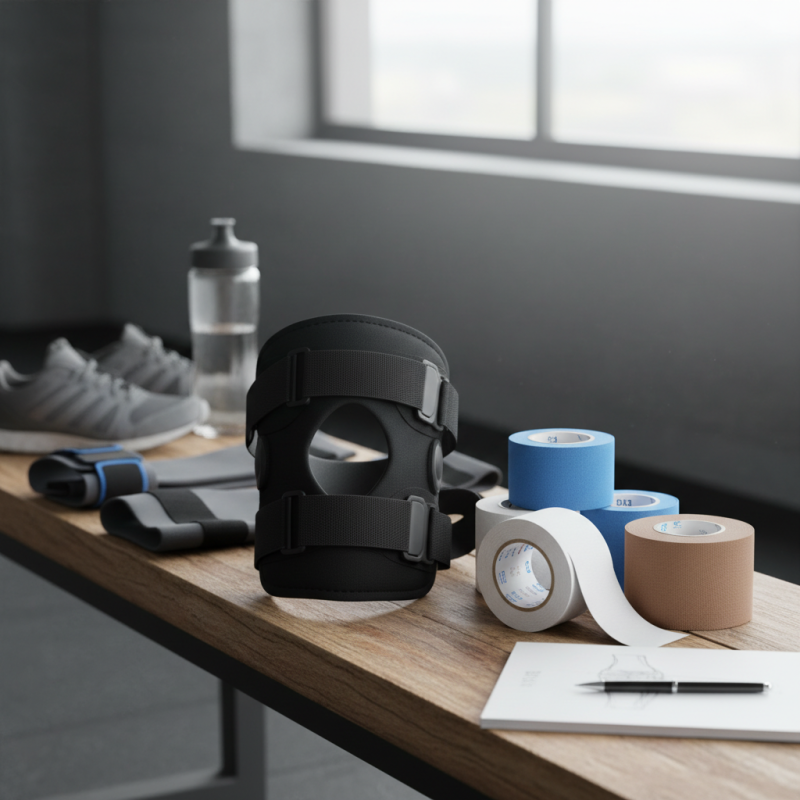
When it comes to supporting sports injuries, understanding different types of support methods is crucial. Support can vary from braces and wraps to physical therapy. Each method has its place in recovery depending on the injury’s severity and type. A study from the American Journal of Sports Medicine indicates that proper support can enhance healing by 30% in many cases.
Braces provide stability and compression, ideal for ligament injuries. Elastic wraps offer flexibility and adjustability, making them suitable for sprains. Physical therapy focuses on rehabilitation. It helps restore functionality while minimizing pain. Research reveals that athletes who engage in structured rehab programs recover faster than those without support. Ultimately, improper use of support methods can lead to prolonged recovery. Knowing when and how to use these tools is vital to effective healing.
Each athlete may respond differently to these methods. Some may find a specific brace restrictive, while others find it beneficial. It's essential to consult with healthcare professionals for tailored advice. Injuries can be unpredictable and require an open mindset towards adjustment. Even the best methods can fail without proper usage and timing. Therefore, remaining aware of your body’s signals is vital in choosing the right support.
When dealing with sports injuries, understanding the severity is crucial for selecting the right support methods. Injuries can range from mild strains to severe tears. Assessing your injury accurately helps in deciding whether you need a simple brace or more advanced treatment.
A common approach is to evaluate pain levels and mobility. If you experience sharp pain or swelling, seek professional advice. Sometimes, what feels minor can lead to more significant issues if ignored. Trust your body’s signals. Rest is vital in the healing process; don’t rush back into activity.
Consider these tips: Start by using ice for immediate swelling. A compression wrap can provide support. For more severe cases, consult a physical therapist for tailored rehabilitation. You might find that using crutches assists in mobility while keeping weight off the injury. Reflect on each step of your recovery; adjust your methods as needed to ensure proper healing.
When evaluating materials and products used in sports injury supports, consider the unique needs of athletes. Different injuries require different types of support. For instance, Compression sleeves are common for muscle strains and minor ligament injuries. According to a study by the American Journal of Sports Medicine, proper compression can reduce swelling by up to 29%. That’s a significant benefit for athletes looking to return quickly.
Additionally, materials play a crucial role in effectiveness. Breathable fabrics help in moisture management. This is essential for comfort and preventing skin irritation during prolonged use. Research indicates that polyester blends are often preferable due to their durability and flexibility. However, some materials may cause allergic reactions or discomfort. Athletes should be aware that not all materials are suitable for every individual’s skin type.
Weight and fit are also critical factors. A support that is too heavy or poorly fitted can hamper performance. A report from the Journal of Athletic Training highlighted that 37% of athletes reported discomfort due to inadequate fitting of supports. This shows that a tailored approach is necessary. Personalized support measures can make a substantial difference in recovery and performance outcomes. Athletes must balance functionality with comfort when choosing their supports.
When dealing with sports injuries, consulting healthcare professionals is vital. Recent studies show that 68% of athletes benefit from expert guidance in recovery strategies. Healthcare professionals can assess the severity of an injury and recommend tailored treatments. They are trained to identify potential complications that a layperson might overlook.
Many athletes rush into self-treatment, often leading to long-term issues. The National Athletic Trainers' Association emphasizes that 75% of sports injuries could be better managed with professional advice. Healthcare experts offer evidence-based methods, such as physical therapy and rehabilitation exercises. These methods often lead to more effective recovery compared to home remedies.
It is common for athletes to doubt their healing timelines. Some may feel pressure to return to play too quickly. A healthcare professional can help set realistic expectations. They provide not just treatment but also emotional support during recovery. This holistic approach can make a significant difference in an athlete's journey. Seeking expert recommendations is a proactive step toward a successful recovery and long-term health.
| Tip Number | Support Method | Recommended For | Pros | Cons |
|---|---|---|---|---|
| 1 | Braces | Knee injuries | Provides stability | Can be restrictive |
| 2 | Compression Wraps | Swelling management | Reduces swelling | Not for severe injuries |
| 3 | Ice Packs | Acute injuries | Pain relief | Temporary solution |
| 4 | Physical Therapy | Rehabilitation | Long-term recovery | Requires time and commitment |
| 5 | Taping | Support during activity | Allows full mobility | Technique-sensitive |
| 6 | Orthopedic Shoes | Foot and ankle pain | Improves alignment | Bulky design |
| 7 | Heat Therapy | Chronic pain management | Increases circulation | Not for fresh injuries |
| 8 | Supportive Socks | Foot fatigue | Enhances comfort | Limited support |
| 9 | Massage Therapy | Muscle recovery | Reduces muscle tension | Temporary relief |
| 10 | Consultation with Specialists | Any type of injury | Customized treatment plan | May be costly |
Choosing the right support method for sports injuries often hinges on personal preference. Many athletes emphasize comfort and familiarity when addressing their recovery needs. Research indicates that up to 70% of athletes feel more confident when using methods they are accustomed to, highlighting the psychological aspect of injury recovery. This reveals how crucial it is to consider individual comfort levels and beliefs in selecting a support method.
Additionally, data from physical therapy studies show that athletes who feel in control of their recovery are more likely to adhere to rehabilitation protocols. This aligns with the idea that respecting personal preference can facilitate a better overall experience. A mixed-methods approach, combining medical advice with personal choice, fosters both physical recovery and emotional resilience. Some might prefer traditional methods, while others lean towards innovative techniques. This disparity creates a complex landscape in which reflection on choices can reveal deeper insights into both physical and mental recovery processes.
: Common methods include braces, wraps, and physical therapy tailored to the injury's type and severity.
Braces provide stability and compression, making them beneficial for ligament injuries during recovery.
Elastic wraps offer flexibility and adjustability, which are useful for managing sprains and minor injuries.
Research shows that structured rehab programs help athletes recover faster and restore functionality effectively.
Breathable fabrics are crucial for comfort and moisture management. Polyester blends are often durable and flexible.
Yes, some materials may cause allergic reactions or discomfort. Not all materials suit every individual's skin type.
A poorly fitted support can lead to discomfort, reducing performance and increasing recovery time.
Yes, consulting healthcare professionals can improve injury management and recovery strategies significantly.
They assess injuries, recommend tailored treatments, and set realistic recovery timelines, offering emotional support.
Studies show that 68% of athletes benefit from expert recommendations in their recovery efforts.
Choosing the right support method for sports injuries is crucial for effective recovery. Understanding the different types of support methods available is the first step in this process. It's important to assess the severity of your injury to determine the most appropriate support options. Additionally, the materials and products used in these supports can significantly impact their effectiveness, so evaluating these factors is essential.
Consulting with healthcare professionals can provide expert recommendations tailored to your specific needs. Finally, personal preference plays a vital role in selecting the right support, ensuring that you feel comfortable and confident while recovering. By considering these factors, you can better understand how to choose the right support method for sports injuries and enhance your healing journey.

Sanva Medical