Top 10 Tips to Choose Medical Rehab Support Materials

Time:2026-09-18 Author:Sophia
0%

Choosing rehabilitation support materials is not a shopping exercise. It is a clinical decision shaped by diagnosis, movement goals, skin condition, comfort, and daily routines. This guide explains how to select medical support materials for rehabilitation with practical judgment, not attractive packaging alone.

Dr. Julie K. Silver, a rehabilitation physician and healthcare researcher, has emphasized a patient-centered principle: “The best rehabilitation plan is the one a patient can safely use every day.” That idea matters when comparing braces, compression products, therapy bands, positioning aids, and protective supports. A knee brace may look strong, yet restrict the movement needed for stair practice. A compression sleeve may fit well, but irritate fragile skin after several hours. Small details can change outcomes.

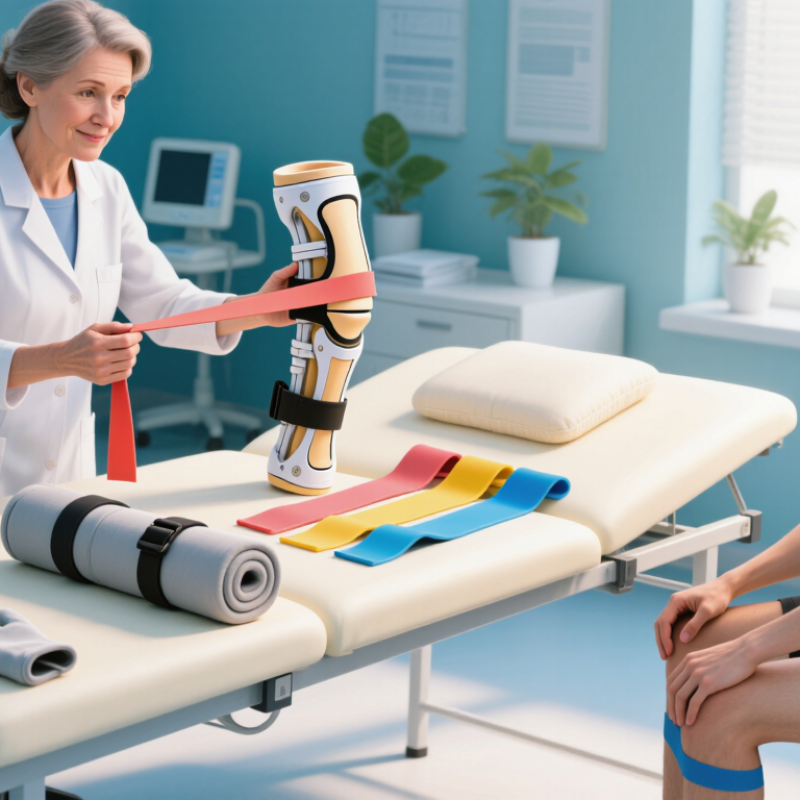
Look for materials supported by clinical guidance, clear sizing information, washable surfaces, and documented safety instructions. Confirm the patient’s diagnosis and functional target with a qualified clinician. Check pressure, flexibility, seams, fasteners, and cleaning requirements. Observe how the material performs during dressing, walking, transfers, or hand exercises. Real use reveals weaknesses that product photographs hide.

There is no perfect material.

Even experienced teams can choose poorly when they rely on habit. A useful review should ask what worked, what caused discomfort, and what needs adjustment. The following tips provide a reliable starting point while leaving room for professional assessment and patient feedback.
Top 10 Tips to Choose Medical Rehab Support Materials

Define the Clinical Need: WHO Estimates 2.41 Billion People Need Rehabilitation

Top 10 Tips to Choose Medical Rehab Support Materials

Define the Clinical Need: WHO Estimates 2.41 Billion People Need Rehabilitation

WHO estimates that 2.41 billion people need rehabilitation, making clinical definition more than a purchasing step. Needs may follow injury, surgery, neurological disease, chronic pain, aging, or developmental conditions. Each case demands different support materials. Before choosing a transfer aid, exercise tool, communication board, or pressure-relief product, identify the functional problem. Ask what the person cannot do safely, what they can still do, and what improvement matters most. Walking ten meters, turning in bed, or holding a cup can become useful measurable goals.

A qualified clinician should review strength, balance, sensation, cognition, skin condition, and fatigue. These details affect sizing, resistance, texture, cleaning needs, and supervision. An item suited to outpatient therapy may fail in a crowded home or a low-resource clinic. Read technical evidence, user instructions, and contraindications carefully. Safety is not optional. Materials should support the treatment plan, not replace assessment or skilled care. Include the patient and caregiver in trials. Watch for awkward grips, confusing labels, or fear during use.

Reassess after real use, not only after a demonstration. Record comfort, adherence, movement quality, and any skin changes. An inexpensive tool may outperform a complex one when used consistently. Still, selection is rarely perfect. A checklist can miss cultural preferences, fear, or the quiet wish for independence. Clinical judgment needs humility. Ask again, adjust, and document why.

Why clinical need matters: The World Health Organization estimates that 2.41 billion people worldwide could benefit from rehabilitation. The chart shows selected global populations associated with rehabilitation needs; categories overlap and should not be added together.

Sources: WHO, “Rehabilitation” and “Musculoskeletal health”; WHO, “Deafness and hearing loss”; GBD 2021 Low Back Pain Collaborators; WHO Osteoarthritis Fact Sheet; GBD 2019 Stroke Collaborators.

Verify Material Safety Using FDA Guidance and ISO 10993 Biocompatibility Standards

Choosing medical rehabilitation support materials requires more than checking softness, strength, or price. Safety begins with the material’s intended use. Will it touch intact skin, damaged tissue, or mucous membranes? For how long? These details guide the biological evaluation plan under ISO 10993. Short contact does not automatically mean low risk. Sweat, pressure, cleaning agents, and repeated friction can change exposure conditions.

FDA guidance recommends a risk-based approach rather than a fixed testing list. Review the material’s composition, manufacturing residues, colorants, adhesives, and sterilization effects. Request current biocompatibility reports, chemical characterization data, and test methods from suppliers. Check whether the samples match the final production material. They often do not. ISO 10993 testing may address irritation, sensitization, cytotoxicity, or other endpoints, depending on contact type and duration. A passed test is useful evidence, not a permanent safety guarantee.

Look closely at traceability. Batch records, change notifications, and storage conditions can reveal hidden risks. Examine the actual support device, including seams, coatings, fasteners, and areas that collect moisture. Document every assumption. A checklist can still miss a small but important detail. When evidence is incomplete, pause the selection and seek qualified regulatory or toxicological review. This extra step may feel slow, but it protects users and strengthens technical credibility.

Top 10 Tips to Choose Medical Rehab Support Materials - Verify Material Safety Using FDA Guidance and ISO 10993 Biocompatibility Standards

No. Selection Tip What to Verify Relevant FDA / ISO Reference Practical Evaluation Questions
1 Define the intended body contact Identify whether the material contacts intact skin, breached or compromised skin, mucosal tissue, or an indirectly contacted surface. Record the exact component and contact location. FDA ISO 10993-1 guidance ISO 10993-1 Is the material used in a brace, support, cushion, compression product, adhesive interface, or hand-grip? Could sweat, friction, pressure, or skin damage change the contact conditions?
2 Classify the contact duration Document the expected cumulative contact time: limited exposure, prolonged exposure, or permanent exposure. Include repeated daily use and the product's service life. ISO 10993-1 FDA biocompatibility guidance Will users wear the support for minutes, hours, overnight periods, or repeated long-term sessions? Has the biological evaluation considered the worst reasonably foreseeable duration?
3 Request a biological evaluation plan Obtain a risk-based assessment explaining which biological endpoints are relevant and why. The assessment should address the finished device, patient contact, processing, and foreseeable use conditions. ISO 10993-1 ISO 14971 risk management Does the supplier justify omitted tests instead of claiming that every material is automatically biocompatible? Are conclusions linked to the final product configuration?
4 Check chemical characterization Review information about intentionally added substances, residual monomers, processing aids, colorants, adhesives, cleaning agents, degradation products, and extractable or leachable chemicals. ISO 10993-18 ISO 10993-17 Are the tested samples representative of the final material and manufacturing process? Are unknown peaks, impurities, and exposure estimates evaluated for toxicological concern?
5 Verify cytotoxicity evidence when applicable Check whether a cytotoxicity assessment was performed using an appropriate sample preparation and a method suitable for the material and contact category. ISO 10993-5 ISO 10993-12 Does the report identify the extraction conditions, controls, test article, acceptance approach, and result interpretation? Are results from the final finished component rather than only a raw resin or textile?
6 Assess skin irritation and sensitization risks Evaluate possible irritation and delayed skin sensitization, especially for materials exposed to sweat, occlusion, friction, pressure, adhesives, dyes, or repeated wear. ISO 10993-23 irritation ISO 10993-10 sensitization Are irritation and sensitization treated as separate endpoints? Does the evidence reflect the actual skin-contacting layer, adhesive system, dye package, and intended use?
7 Evaluate cleaning, disinfection, and reuse effects Determine whether washing, wiping, soaking, heat, detergents, disinfectants, or repeated compression can alter the material or increase chemical release. ISO 10993-1 ISO 10993-18 ISO 10993-23 Were samples tested after the maximum validated number of cleaning or reprocessing cycles? Could surface cracking, swelling, delamination, or residue change patient exposure?
8 Confirm manufacturing and process-change control Verify controls for formulation, supplier changes, curing, sterilization if applicable, coatings, adhesives, colorants, and production residues. Review change-notification procedures. ISO 10993-1 ISO 10993-18 ISO 13485 principles Is the safety evidence tied to a defined material specification and manufacturing process? Will the supplier notify you before changing ingredients, factories, coatings, or processing conditions?
9 Review physical safety as well as biological safety Consider tear strength, abrasion, compression set, flexibility, sharp edges, particulate shedding, heat retention, moisture management, and dimensional stability. ISO 10993-1 risk approach Product-specific performance requirements Could the material cause pressure injury, skin maceration, overheating, restricted circulation, loss of support, or loose particles during normal and foreseeable misuse?
10 Maintain a complete technical evidence file Collect declarations, test reports, sample descriptions, laboratory qualifications, chemical data, risk assessments, specifications, use instructions, and traceability records. FDA submission principles ISO 10993-1 ISO 10993-12 Can every report be matched to the exact material, lot, configuration, contact type, contact duration, and intended use? Are reports complete enough for regulatory review and internal supplier approval?
Important: FDA guidance and ISO 10993 standards support a risk-based biological evaluation; they do not mean that one generic “biocompatible” certificate is sufficient for every rehabilitation product. The applicable endpoints depend on the finished device, body contact, contact duration, materials, processing, and intended use.

Assess Clinical Evidence Through Cochrane Reviews and Validated Outcome Measures

Top 10 Tips to Choose Medical Rehab Support Materials

A Cochrane Review can clarify whether a rehabilitation approach improves meaningful patient outcomes. It can also reveal uncertainty, limited samples, or inconsistent methods. Read beyond the abstract. Check the participants, treatment setting, follow-up period, and risk of bias. A result from older adults may not fit young athletes or people recovering after surgery. That difference matters.

Match the material with validated outcome measures, not attractive design alone. For back rehabilitation, the Oswestry Disability Index can track functional change. The Disabilities of the Arm, Shoulder and Hand questionnaire may suit upper-limb recovery. Walking programs can use the six-minute walk test, while balance care may require a validated balance scale. Record the baseline score, reassess at planned intervals, and note whether change exceeds the minimum clinically important difference. Small statistical gains may not help someone dress, climb stairs, or return to work.

Clinical experience adds essential context. A clear exercise sheet should show positioning, repetitions, warning signs, and progression steps. Patient literacy, fatigue, language, and home space can affect adherence. Evidence can feel distant in a small clinic. I would test each material with patients and ask them to explain the instructions aloud. Their confusion may expose weaknesses in my design. Not every useful tool has strong evidence. That limitation deserves honest documentation, careful monitoring, and clinical review.

Evaluate Accessibility for the WHO’s 1.3 Billion People Living With Disabilities

Medical rehabilitation support materials should be judged by the people who use them, not only by clinicians. The WHO estimates that 1.3 billion people live with significant disabilities. Their needs vary across mobility, vision, hearing, cognition, language, and income.

Check ten practical points before choosing materials: readable font size, strong color contrast, plain language, captions, audio alternatives, tactile cues, keyboard access, screen-reader compatibility, durable formats, and local translation.

Test every item with real users. A wheelchair user may need content positioned within comfortable reach. A person with low vision may need enlarged print and fewer visual distractions. Someone with memory difficulties may need one instruction per line.

Small details matter. A confusing icon can delay an exercise. A glossy page can reflect ceiling light. A video without captions excludes many learners. Materials should also explain safety limits, cleaning steps, and when professional support is necessary. Evidence-informed guidance is valuable, but it must remain understandable outside specialist settings.

Accessibility is not a single checkbox. It changes with fatigue, pain, age, culture, and available technology. Printed handouts may work during a power outage, while digital files can support adjustable text. Neither option fits everyone.

I have seen well-designed resources fail because testing happened only in quiet clinics. That gap deserves honest review. Evaluate cost, maintenance, privacy, and staff training before adoption. Ask users what still feels difficult. Their answers may challenge your original design.

Compare Lifecycle Costs, Training Needs, Maintenance, and Replacement Rates

Top 10 Tips to Choose Medical Rehab Support Materials

Choosing rehabilitation support materials requires more than comparing purchase prices. The 2022 WHO–UNICEF Global Report on Assistive Technology estimates that over 2.5 billion people need at least one assistive product. Demand is growing, while poor access and weak maintenance can reduce clinical value. Compare the full lifecycle cost: purchase, delivery, fitting, staff training, cleaning, repairs, storage, and disposal.

Tip: Create a five-year cost sheet. Record expected replacement rates, warranty limits, spare-part prices, and technician travel time. A low-cost transfer aid may need frequent replacement if joints loosen in a busy ward. A stronger item may cost more initially but reduce downtime. Still, durability claims need local testing. Our assumptions are often too optimistic.

Tip: Measure training needs beside maintenance needs. The WHO Global Report links effective assistive technology with trained personnel and follow-up services. Count training hours, competency checks, and refresher sessions. Also ask who will inspect the material after heavy use. A device left beside a therapy table can collect dust, lose labels, or miss a safety check.

Tip: Track real replacement data. Review damage reports, user feedback, cleaning time, and monthly repair frequency. ECRI’s healthcare technology guidance repeatedly stresses risk-based maintenance and clear equipment management. Do not treat every product equally. High-use mobility supports deserve tighter inspection intervals than occasional positioning aids. A simple spreadsheet may reveal costs that the original quotation hides.

FAQS

Why should the clinical need be defined before choosing rehabilitation materials?

The same tool cannot solve every functional problem. A clinician should identify what the person cannot do safely. Useful goals might include walking ten meters or holding a cup.

What should a clinician assess before recommending support materials?

Review strength, balance, sensation, cognition, skin condition, and fatigue. These factors affect sizing, resistance, texture, cleaning, and supervision. A crowded home may require different equipment than a quiet clinic.

How can material safety be checked?

Confirm the material’s intended contact with skin or damaged tissue. Review composition, adhesives, colorants, residues, cleaning exposure, and sterilization effects. Request current safety reports and chemical information. Samples may not match final production.

Does short contact automatically mean low material risk?

No. Sweat, pressure, friction, and cleaning agents can change exposure. Look closely at seams, coatings, fasteners, and damp areas. Passed testing is useful evidence, not a permanent guarantee.

What makes rehabilitation information accessible?

Use readable text, strong contrast, plain language, captions, tactile cues, and local translation. Provide one instruction per line when memory is difficult. A glossy page may fail under bright ceiling lights.

Why should real users test rehabilitation materials?

Clinicians may miss awkward grips, confusing icons, fear, or uncomfortable reach. Test with people who have different mobility, vision, hearing, language, and cognitive needs. Quiet-clinic testing is not enough.

Are digital materials always better than printed materials?

No. Digital files can enlarge text and support screen readers. Printed instructions remain useful during power outages. Neither format fits everyone, and maintenance costs can be overlooked.

How should the chosen material be reviewed after use?

Reassess comfort, adherence, movement quality, and skin changes in real settings. Document problems and adjust the plan. Sometimes, less works. A simple tool used consistently may outperform a complex one.

Conclusion

Selecting appropriate rehabilitation support materials requires a structured, patient-centered process. The first step is to define the clinical need, considering that approximately 2.41 billion people worldwide may benefit from rehabilitation. Materials should then be reviewed for safety, durability, skin tolerance, and intended use, with attention to FDA guidance and ISO 10993 biocompatibility standards where applicable. This helps reduce avoidable risks and supports responsible clinical decision-making.

A practical approach to how to select medical support materials for rehabilitation also includes evaluating clinical evidence through reliable reviews, validated outcome measures, and relevant patient feedback. Accessibility is essential for the estimated 1.3 billion people living with disabilities, so products should be easy to use, adaptable, and suitable for different physical and environmental needs. Finally, decision-makers should compare total lifecycle costs, including staff training, cleaning, maintenance, replacement frequency, and long-term usability, rather than focusing only on the initial purchase price.

Sophia

Sophia

Sophia is a dedicated marketing professional with an exceptional depth of knowledge about her company's products and services. With a keen understanding of market trends and customer needs, she crafts insightful blog posts that not only inform but also engage readers, enriching the company’s online......