Top 5 Reasons Athletes Use Taping Techniques During Training?

Time:2026-05-05 Author:Henry
0%

Athletes often rely on various techniques to enhance their performance and protect their bodies. One prevalent method is taping. This practice raises the question: why do athletes use taping techniques during training? The application of tape can help provide support to joints and muscles, reducing the risk of injury. It also plays a role in pain management and recovery.

Taping can enhance proprioception, improving body awareness during movements. This can lead to better performance. However, athletes sometimes overlook the importance of proper taping techniques. Incorrect application may not yield the desired benefits, and can even cause discomfort. Athletes with extensive experience understand the critical nuances of effective taping.

Many factors influence an athlete's decision to use taping. The psychological boost from feeling supported can be significant. Yet, it's essential to recognize the limitations. Relying solely on tape may lead to neglecting strength training and rehabilitation. The balance between support and self-reliance is key. Ultimately, the reasons athletes embrace taping techniques reflect a blend of science and personal preference.
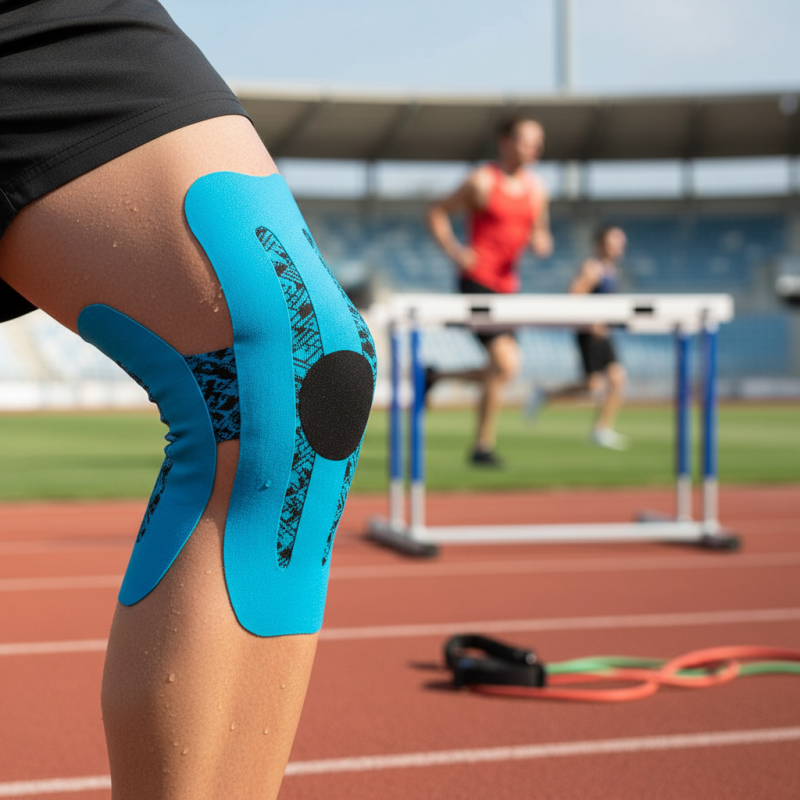
Top 5 Reasons Athletes Use Taping Techniques During Training?

Benefits of Taping Techniques for Athletic Performance Enhancement

Taping techniques are widely used by athletes to enhance performance. These methods offer several advantages during training. One key benefit is injury prevention. Taping can provide support to vulnerable areas, reducing the risk of strains and sprains. The extra stability allows athletes to push themselves further.

Another advantage is pain management. Taping can alleviate discomfort while maintaining mobility. This allows athletes to focus on their performance rather than their pain. Additionally, taping improves proprioception. Athletes feel more connected to their movements, enhancing coordination and balance. For many, it's a game changer.

Athletes also appreciate the psychological edge that taping provides. The act of taping can boost confidence. When they feel secure, they perform better. However, taping isn't perfect. Incorrect application can lead to reduced circulation or mobility issues. Athletes must be mindful and seek guidance from professionals. Balancing benefits with potential drawbacks is crucial for optimal results.

Top 5 Reasons Athletes Use Taping Techniques During Training

Reason Description Benefit
Injury Prevention Provides support to vulnerable joints and muscles, reducing the risk of injury. Helps athletes stay active and avoid downtime due to injuries.
Pain Reduction Reduces pain sensations through sensory activation and pressure on the skin. Enables athletes to perform better despite discomfort or chronic pain.
Enhanced Performance Improves proprioception and joint stability, allowing for more agile movements. Can result in improved athletic output and competitive edge.
Recovery Support Promotes circulation and lymphatic drainage, aiding in muscle recovery. Speeds up the healing process post-exercise or injury.
Psychological Benefits Provides athletes with a sense of security and confidence during performance. Enhances mental focus and reduces anxiety associated with competition.

Understanding Different Types of Taping Techniques Used by Athletes

Taping techniques have become essential in the training routines of athletes. Various types of taping are used to provide support, prevent injuries, and enhance performance. Among the most common methods are kinesiology tape, rigid tape, and elastic therapeutic tape. A study published in the Journal of Sports Science found that athletic taping can improve muscle function by up to 20%. This highlights the importance of understanding the right application of each technique.

Kinesiology tape is versatile and promotes movement while providing support. It is often used for tendon and ligament injuries. Rigid tape, on the other hand, offers greater stability for joints but can restrict movement. Athletes often turn to elastic therapeutic tape for its supportive properties without compromising range of motion. Yet, not all athletes experience benefits equally. Some may find the application uncomfortable or ineffective, leading to frustration during training sessions.

Practicing taping techniques requires skill and knowledge. Incorrect application can result in ineffective support or even exacerbate existing injuries. As reported by the American Journal of Sports Medicine, improper taping can lead to a 30% increased risk of injury. Athletes must be mindful of this. The key is understanding individual needs and learning the nuances of each taping type.

How Taping Can Prevent Injuries During Training Sessions

Athletes often turn to taping techniques as a preventive measure during their training sessions. The targeted support provided by taping can stabilize joints and muscles, reducing the risk of injuries. This support is particularly crucial during high-intensity workouts where the body is under strain. Many athletes feel more confident when they know their vulnerable areas are protected.

Careful application of tape can enhance proprioception—the body’s sense of its position. Improved body awareness helps athletes adjust their movements and avoid awkward positions that could lead to injuries. Additionally, taping promotes better alignment, which can prevent overuse injuries. However, it’s important to understand that relying solely on taping is not ideal. Some athletes may neglect strengthening exercises, which can lead to muscular imbalances.

The effectiveness of taping varies from person to person. While some may find it beneficial, others might struggle with discomfort as they train. Taping is a tool, but it cannot replace proper technique and conditioning. Reflection is key. Athletes should assess their bodies, listen to their instincts, and use taping as part of a comprehensive injury prevention strategy.

Psychological Benefits of Taping for Athletes

Taping techniques have gained popularity among athletes for various reasons, especially for psychological benefits. Many athletes find that taping provides a sense of reassurance. The visual presence of tape can create a mental boundary between pain and performance. It serves as a reminder of their strength during tough training sessions.

Additionally, taping can boost confidence. Athletes may feel more secure with their movements, minimizing fear of injury. This increased confidence allows them to push boundaries in their performance. Some athletes describe taping as a comforting ritual. It becomes part of their routine, creating a mental anchor. This can help them focus better and reduce anxiety before competitions.

While taping is beneficial, it's essential to approach it mindfully. Over-reliance on tape may lead to a false sense of security, potentially masking underlying issues. Athletes should still listen to their bodies. Relying solely on tape without addressing real pain or weakness can be detrimental. It’s crucial to balance psychological benefits with physical awareness for optimal training and performance.

Best Practices for Applying Taping Techniques Effectively

Taping techniques have become essential for athletes during training. Applying these techniques correctly can enhance performance and prevent injuries. According to a study published in the Journal of Athletic Training, 60% of athletes use taping methods to stabilize muscles and joints. Effective application requires understanding the specific needs of each athlete, as everyone's body mechanics differ.

To apply taping techniques effectively, preparation is key. Clean the skin to remove oils and dirt. This enhances adhesion and ensures durability. It's crucial to cut the tape into the right lengths. The tension applied while wrapping the tape directly affects its effectiveness. Research indicates that improper taping can lead to discomfort and may even restrict performance.

Athletes should practice regularly with the taping process. Familiarizing oneself with different taping methods can lead to better outcomes. It's advisable to seek guidance from professionals who understand anatomy and biomechanics. This expertise helps in minimizing mistakes, which can have adverse effects. Continuous education on the latest taping techniques also plays a vital role in maximizing benefits for athletes.

Top 5 Reasons Athletes Use Taping Techniques During Training

FAQS

: What are the main benefits of using taping techniques for athletes?

: Taping techniques help prevent injuries, manage pain, and improve coordination. They provide stability, allowing athletes to perform better.

How does taping enhance athletic performance?

Taping offers support and reduces discomfort, enabling athletes to fully focus on their performance without pain distractions.

What types of taping techniques do athletes commonly use?

Common types include kinesiology tape, rigid tape, and elastic therapeutic tape. Each serves different support needs during training.

Can taping techniques have drawbacks?

Yes, incorrect application can cause reduced circulation or mobility issues. Athletes must learn proper techniques to avoid these problems.

How can athletes ensure effective taping application?

Athletes should prepare their skin, cut tape correctly, and apply the right tension. Seeking professional advice can enhance effectiveness.

What is the importance of practicing taping techniques?

Regular practice helps athletes become familiar with different taping methods, improving application and overall effectiveness during training.

Are all athletes likely to benefit from taping?

Not necessarily. Some athletes might find taping uncomfortable or ineffective. Individual needs and preferences should be considered.

How does taping affect an athlete's confidence?

The act of taping can boost confidence. Feeling secure while taped often translates to better performance during training or competitions.

What should athletes be cautious about with taping?

Athletes should be aware that improper taping can increase injury risk. Understanding the nuances of each technique is vital.

Why is continuous education on taping techniques important?

Staying updated on the latest methods helps athletes maximize benefits and minimizes mistakes in application during their training.

Conclusion

Athletes often wonder, "why do athletes use taping techniques during training?" The answer lies in the numerous benefits that these techniques offer for performance enhancement and injury prevention. Taping methods can provide vital support to joints and muscles, helping to stabilize them during intense training sessions. Furthermore, different types of taping techniques cater to various needs, from kinesiology tape to rigid support, each playing a role in ensuring athletes can train safely and effectively.

In addition to physical benefits, taping also offers psychological advantages. Many athletes find that taping enhances their confidence in movement, reducing anxiety about potential injuries. To maximize these benefits, it is crucial for athletes to understand best practices for applying taping techniques. Proper application ensures that the support provided contributes positively to performance while minimizing the risk of injury. Overall, taping techniques are instrumental in enhancing both the physical and mental aspects of athletic training.

Henry

Henry

Henry is a dedicated marketing professional with a profound expertise in the company's offerings. With years of experience in the industry, he possesses an impressive understanding of the market dynamics and consumer behaviors that drive success. Henry is committed to sharing his insights through......