In the realm of physical therapy, the question arises: what is the role of support materials in physical therapy? These materials are vital for patient recovery. Dr. Jane Smith, a leading expert in rehabilitation, emphasizes, "Support materials enhance the effectiveness of therapeutic exercises." They assist in maintaining proper body alignment, reducing pain, and maximizing mobility.
Support materials come in various forms, such as braces, foam rollers, and resistance bands. Each serves a unique purpose, catering to individual patient needs. For example, using a foam roller can ease muscle tension and improve flexibility. However, not every material benefits every patient. The choice depends on the specific condition and treatment goals.
While support materials can greatly aid recovery, their effectiveness is often contingent on proper usage. Over-reliance on these aids can hinder natural muscle engagement. Thus, a balanced approach is essential. Therapists must guide patients to ensure that these materials supplement, rather than replace, their efforts. Understanding what is the role of support materials in physical therapy is crucial for forging stronger, healthier bodies.
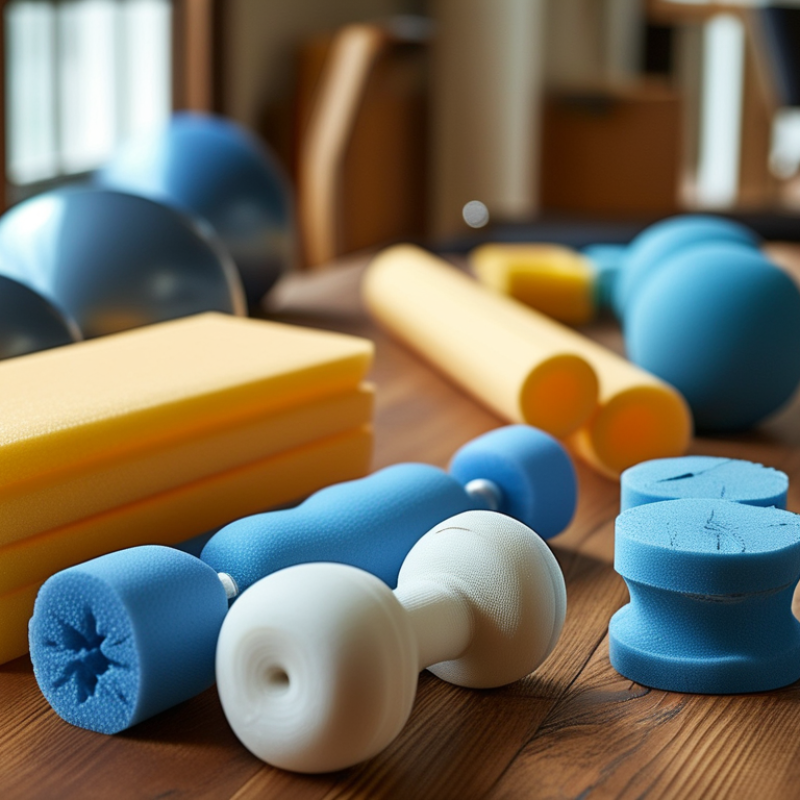
Support materials in physical therapy are essential tools that enhance patient recovery. These materials include items such as braces, splints, and exercise bands. They provide stability, reduce pain, and facilitate movement. For many patients, these supports become critical in regaining functionality. They help in maintaining proper body alignment during rehabilitation exercises.
In practice, the use of support materials can vary widely. Some therapists may prefer using minimal equipment, while others incorporate a range of items. This diversity can lead to inconsistency in patient experiences. For example, a patient may feel overwhelmed by too many options or, conversely, insufficiently supported with limited tools. Finding the right balance is crucial for effective rehabilitation.
Therapists must continually assess the effectiveness of these materials. Not all patients respond positively to the same supports. Personalization is key. Regular feedback from patients can help identify what works best. This reflective approach can improve the overall therapy experience and outcomes. Engaging patients in their recovery plan can also enhance motivation and adherence.
This bar chart illustrates the importance rating of various support materials used in physical therapy, showcasing their significance in aiding recovery and improving patient outcomes.
Support materials in physical therapy play a crucial role in enhancing patient recovery. Various types are employed, each tailored to address specific needs. For instance, resistance bands are widely used. According to a report from the American Physical Therapy Association, resistance training can improve muscle strength by up to 30%. This makes bands essential for rehabilitation sessions.
Another fundamental tool is exercise mats. They provide a stable surface for exercises, reducing the risk of injury. Research indicates that a safe, comfortable environment can increase patient adherence by 25%. This is vital for long-term recovery outcomes. Foam rollers also help alleviate muscle tension. Many therapists report that up to 60% of their patients see improved mobility after just a few sessions with these tools.
Therapists often emphasize the importance of adaptability in support materials. Not every tool suits every patient. A rigid approach can hinder recovery. Each patient's progress must be monitored. Equipment must be adjusted accordingly. This personal touch strengthens the therapeutic relationship. A one-size-fits-all method is rarely effective in practice. Careful selection and use of support materials remain critical for successful rehabilitation.
Support materials play a crucial role in physical therapy. They enhance patient engagement and compliance. When patients use tools like resistance bands, foam rollers, or instructional videos, they often see better results. Visual aids can make complex exercises easier to understand. This clarity is vital for patient motivation.
The effectiveness of support materials lies in their ability to make therapy more interactive. Patients can track their progress using journals or apps. However, not all support materials suit every patient. Individual needs vary greatly based on conditions and preferences. Therapists should evaluate which materials resonate best with each person. This requires a thoughtful approach, constantly assessing what works and what doesn't.
Investing in diverse support resources can enrich the therapeutic experience. Yet, the effectiveness of these materials can vary. Some patients may feel overwhelmed by too many choices. Finding the right balance is essential. Regular feedback from patients is important for improving the relevance of materials. By fostering open communication, therapists can ensure that support materials truly enhance patient outcomes.
In physical therapy, support materials play a crucial role. They assist in enhancing communication between therapists and patients. Clear communication is vital for effective rehabilitation. Support materials can include pamphlets, diagrams, and educational videos. These resources provide visual aids that help clarify treatment plans and exercises. When a patient understands their therapy, they are more likely to engage actively.
However, not all patients interpret information the same way. A therapist might present complex details, but patients may miss essential points. Therefore, it’s important to simplify language. Using visuals can bridge this gap. For instance, a simple chart can illustrate progress, making it tangible for patients. Yet, therapists should periodically check for understanding. Too often, therapists assume clarity, leading to miscommunication.
Additionally, patients also have different learning styles. Some might prefer hands-on demonstrations, while others benefit from reading about their conditions. Recognizing these preferences enhances the effectiveness of support materials. It's a constant learning curve for therapists as they navigate individual needs. Reflection on patient feedback can refine this process. This highlights the ongoing challenge and importance of tailoring support materials for everyone.
When selecting support materials in physical therapy, careful consideration is crucial. The right materials can enhance recovery and improve patient outcomes. Look for items that offer the needed support without causing discomfort. Many patients have specific preferences, and understanding these can help therapists make informed choices.
Engaging patients in the selection process fosters trust. Encouraging them to voice their opinions can lead to better compliance and satisfaction. Using materials that support natural movement patterns is essential. This promotes healing while preventing additional injuries. Always consider the patient’s unique situation. Some materials may not work for everyone, leading to frustration or setbacks.
Evaluating the effectiveness of support materials is an ongoing process. Regularly checking in with patients helps gather feedback. This insight is valuable for future sessions. It’s important to recognize that not all materials will yield immediate results. Adjusting strategies as needed ensures continuous improvement in therapy outcomes. Emphasizing open communication can help therapists navigate these challenges effectively.
: Common materials include resistance bands, exercise mats, and foam rollers. Each serves a unique purpose for recovery.
Resistance bands can improve muscle strength by up to 30%, aiding in rehabilitation and enhancing recovery efforts.
Exercise mats provide stability during exercises. They significantly reduce the risk of injury and improve patient adherence.
Foam rollers help alleviate muscle tension. Many therapists report a 60% improvement in mobility after just a few sessions.
Not every tool suits every patient. Adapting materials to individual needs can significantly enhance recovery outcomes.
They make therapy interactive, allowing patients to track their progress, which can motivate them throughout their recovery.
Visual aids clarify treatment plans and exercises, helping patients engage more actively and understand complex information.
Therapists should simplify their language and check for understanding regularly to avoid assumptions that may lead to miscommunication.
Some patients may feel overwhelmed by choices. Finding the right balance is key to enhancing the therapeutic experience.
Regular feedback helps refine the relevance of support materials and ensures they truly enhance patient outcomes during recovery.
Support materials play a crucial role in physical therapy, enhancing both the therapeutic process and patient outcomes. What is the role of support materials in physical therapy? They provide visual aids, instructional content, and structured exercises that facilitate understanding and engagement for patients. These materials can take various forms, including brochures, diagrams, videos, and exercise equipment, each contributing uniquely to a patient's rehabilitation journey.
Furthermore, support materials enhance therapist-patient communication by providing clear, tangible references that simplify complex concepts and ensure alignment between the therapist’s goals and the patient’s understanding. Best practices for selecting and utilizing these materials involve assessing the individual needs of patients and incorporating a range of resources that cater to different learning styles. By effectively integrating support materials, therapists can improve adherence to treatment protocols and ultimately lead to better recovery outcomes.

Sanva Medical