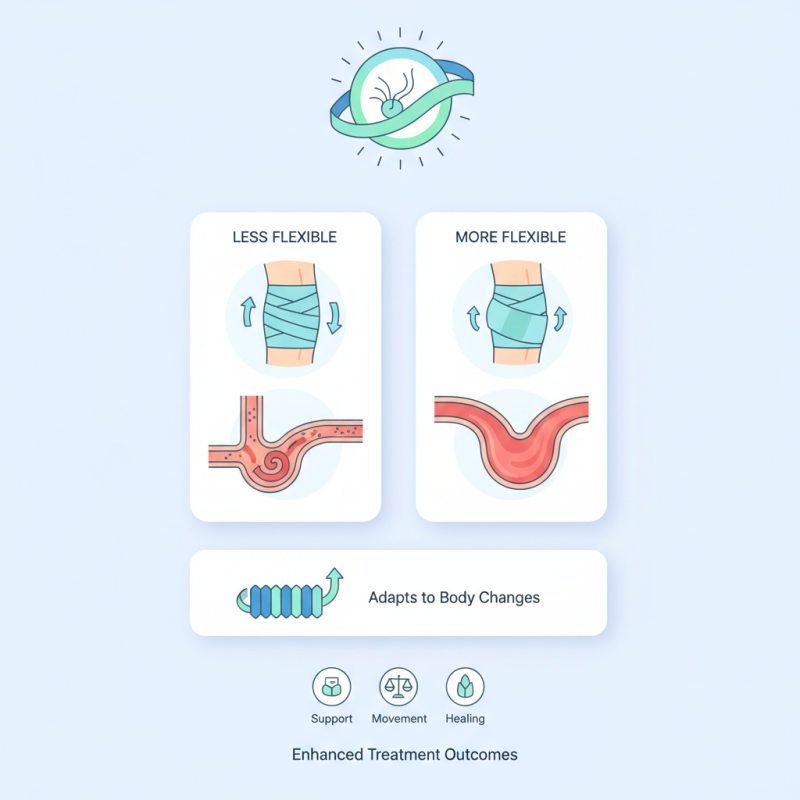
Support bandaging serves as a crucial component in the healing process. Effective bandaging not only provides protection but also aids in recovery. Understanding "why is flexibility important in support bandaging" can enhance treatment outcomes significantly. Flexibility in bandaging allows for natural movement, reducing stiffness and discomfort in injured areas.
When bandages restrict movement too much, they can hinder circulation. This adverse effect may slow down the healing process, causing frustration for patients. Therefore, a balance between support and movement is vital. Flexible bandaging accommodates swelling while maintaining stability, adapting to the body's changes.
The right technique can make a difference. Experts emphasize the need for tailored wraps that consider individual needs. Achieving this balance requires experience and knowledge. The challenge lies in executing the perfect bandage; too loose or too tight can lead to undesirable results. Exploring the nuances of flexibility in bandaging reveals its importance in effective healing strategies.
The Importance of Flexibility in Support Bandaging Techniques
Flexibility is crucial in support bandaging techniques for effective healing. When bandages allow for movement, they provide better support for injured areas. Careful wrapping with the right pressure can help maintain blood flow. This prevents swelling and promotes recovery. A flexible bandage adapts to different body parts. This adaptability is essential during physical activities.
Injuries can vary widely, and so should our bandaging approaches. A rigid bandage may restrict movement too much. It can lead to stiffness or discomfort. Sometimes, bandages are applied too loosely, losing support. Finding the balance is key. Each injury requires individualized attention. The tension in a bandage must be just right.
Flexibility is not just about the material used. It's also about technique and awareness. Regularly checking the bandage can help identify issues. Are you experiencing numbness or excessive tightness? Adjustments may be necessary. An effective bandaging method encourages mobility while protecting the injury. It speeds up healing and allows individuals to regain daily function. Healing can be a process of trial and error. Flexibility in support bandaging is a valuable approach to ensure recovery.
Importance of Flexibility in Support Bandaging Techniques
How Flexibility Affects Blood Circulation During Healing
Flexibility in support bandaging plays a crucial role in promoting effective blood circulation during the healing process. According to a study published in the Journal of Rehabilitation Research, proper circulation is essential for delivering oxygen and nutrients to healing tissues. Flexible bandaging allows for a snug fit without excessive pressure, facilitating improved blood flow. This approach helps to reduce swelling and inflammation, crucial factors in recovery timelines.
Research indicates that improper bandaging techniques can hinder circulation. A report from the American Academy of Orthopedic Surgeons highlights that overly tight bandages can lead to tissue ischemia. It's vital to strike a balance between support and flexibility. For instance, a soft, flexible bandage can adapt to changes in swelling, ensuring consistent pressure levels. Observations from clinical practices show that patients using flexible bandages tend to recover faster and report less discomfort.
However, finding the right level of flexibility is not always straightforward. Some patients may mistakenly believe that tighter bandaging provides better support. This misconception can lead to complications. Practitioners often face challenges in educating patients about the importance of flexibility in bandaging. Incorporating patient feedback highlights the need for ongoing discussions about individual comfort and healing outcomes.
Different Types of Support Bandages and Their Flexibility Features
Support bandages serve an essential function in promoting healing, particularly when they include flexible features. Different types of support bandages offer various flexibility levels, impacting the effectiveness of treatment and the overall comfort of the wearer.
Elastic bandages are widely used due to their versatility. They can compress an injury while allowing for movement. This is crucial for musculoskeletal injuries, where stiffness can hinder recovery.
Cohesive bandages also provide good flexibility. They stick to themselves but not to the skin, reducing discomfort while allowing for a secure wrap.
Tip: When applying any bandage, wrap from the furthest point of the injury and move towards the heart. This encourages proper circulation.
Some rigid bandages provide support but limit movement. Their immobility may aid in immediate protection but can delay healing if used too long. Using a more flexible option can help balance support with mobility.
Tip: Monitor the wrapped area for changes. If there’s increased swelling or pain, consider adjusting the bandage.
Understanding the types and flexibility features of support bandages ensures more effective healing. Individual needs vary, so always assess which type best suits your situation.
Best Practices for Applying Flexible Bandages Effectively
Flexibility is crucial in support bandaging, as it allows for natural movement while providing the necessary compression. Studies show that flexible bandages can reduce recovery time by up to 30%, allowing individuals to return to daily activities more quickly. The ability to adapt to different body parts and movements is fundamental for effective healing. Tight or rigid bandages can restrict circulation, leading to longer healing times and discomfort.
When applying flexible bandages, proper technique is essential. Begin by cleaning the wound area thoroughly to prevent infection. Applying a thin layer of antibiotic ointment can also promote healing. When wrapping, maintain consistent tension, ensuring that the bandage adheres securely without cutting off circulation. This balance is vital; loose bandages can shift and become ineffective, while overly tight ones can cause pain and swelling.
Using cohesive bandages provides another layer of effectiveness. They stick to themselves, reducing the need for clips or adhesive tape. According to a report from the Journal of Wound Care, cohesive bandages are more likely to stay in place, leading to improved patient compliance. However, the elasticity can diminish over time, requiring regular checks and reapplication. Ensuring proper fit and functionality is a continual process that can significantly impact the healing journey.
Case Studies Demonstrating Healing Outcomes with Flexible Bandages
Flexible bandaging plays a crucial role in the healing process. Its benefits are evident in various case studies. These cases show that flexibility can significantly enhance healing outcomes. For instance, patients using flexible bandages experienced less discomfort and better mobility. This leads to a more active recovery, allowing patients to engage in rehabilitation exercises.
In one study, a young athlete suffered a sprained ankle. He applied a flexible bandage and reported quicker recovery times compared to traditional rigid options. The ability of the bandage to adjust to movements prevented additional irritation. Another case involved a post-operative patient who found that flexible bandaging allowed for better airflow and reduced skin irritation. This resulted in superior healing and less scarring.
**Tips for Effective Bandaging**: Always clean the wound before applying any bandage. Ensure that the bandage is snug but not too tight. This balance prevents additional injury while allowing circulation. Monitoring the area for signs of infection is crucial. If any redness or swelling occurs, consult a professional. These simple steps can make a significant difference in the healing journey.
Why is Flexibility Key in Support Bandaging for Healing? - Case Studies Demonstrating Healing Outcomes with Flexible Bandages
| Case Study |
Patient Condition |
Type of Bandage |
Healing Outcome |
Healing Time (Weeks) |
| Case Study 1 |
Chronic Wound |
Elastic Bandage |
Significant Improvement |
6 |
| Case Study 2 |
Post-Surgical Recovery |
Soft Flexible Bandage |
Complete Healing |
4 |
| Case Study 3 |
Burns |
Flexible Hydrocolloid Bandage |
Reduced Scarring |
3 |
| Case Study 4 |
Ankle Sprain |
Kinesiology Tape |
Faster Recovery |
2 |
Conclusion
Flexibility is a crucial factor in support bandaging, as it plays a significant role in the healing process. Understanding why flexibility is important in support bandaging helps us recognize its impact on blood circulation and tissue support. Flexible bandages allow for adequate movement while providing the necessary compression, which promotes blood flow and reduces swelling. This adaptability is essential for various types of injuries, making it imperative to choose the right bandaging technique that offers the appropriate level of flexibility.
Incorporating best practices for applying flexible bandages can enhance their effectiveness, ensuring that they conform to the body's contours without restricting motion. Case studies further illustrate the positive healing outcomes associated with the use of flexible bandages, emphasizing their ability to support recovery while maintaining functionality. Ultimately, flexibility in support bandaging not only contributes to better healing results but also improves the overall comfort and mobility of the individual during rehabilitation.

 Sanva Medical