How to Enhance Safety in Athletic Training with Proper Support?

Time:2026-07-10 Author:Isabella
0%

Athletic training poses various risks. Understanding how to improve safety in athletic training with proper support is essential. Proper support includes equipment, coaching, and environment. These factors work together to minimize injuries.

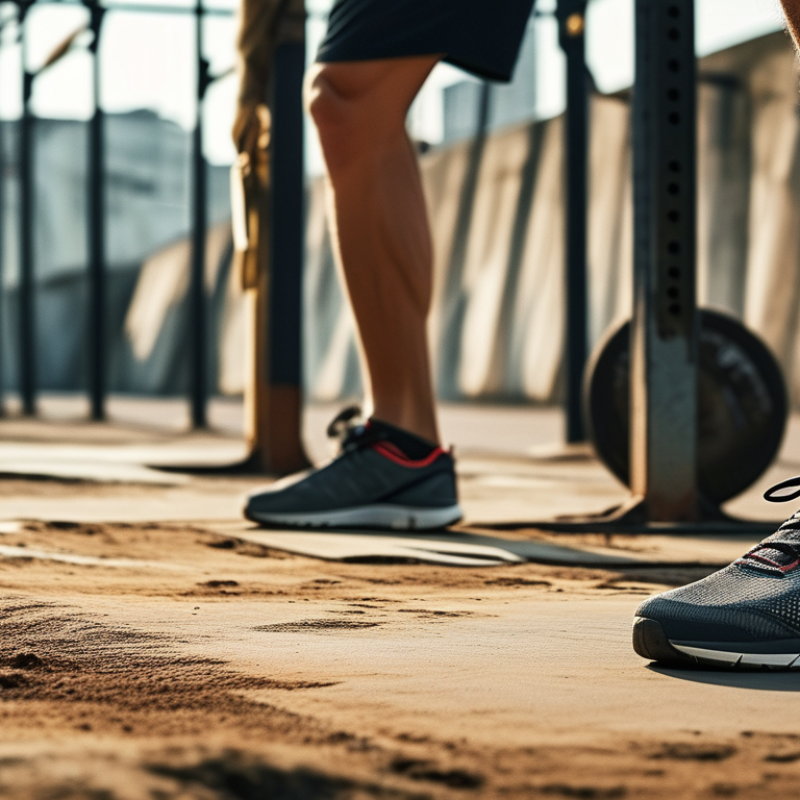
A well-structured training program emphasizes safety. Coaches must be aware of each athlete’s physical limits. They should provide guidance tailored to individual needs. Supportive equipment can prevent common injuries. For instance, wearing the right shoes reduces the risk of ankle sprains.

Despite best efforts, mistakes can happen. Athletes may ignore pain, leading to serious issues. Regular assessments and open communication foster a safer environment. By addressing these challenges, the focus remains on enhancing safety in athletic training. This proactive approach not only safeguards athletes but also promotes their long-term success.
How to Enhance Safety in Athletic Training with Proper Support?

Understanding the Importance of Safety in Athletic Training

Safety in athletic training is paramount for athletes. Understanding potential risks helps prevent injuries. Proper support ensures athletes can perform their best while minimizing hazards. Coaches and trainers should foster a culture of safety. Regular communication about safety practices is essential. Engaging athletes in discussions regarding their health enhances awareness.

Tips for enhancing safety include monitoring training intensity. Overtraining leads to fatigue and mistakes. Establishing a proper warm-up routine is crucial. It prepares muscles and joints for activity. Use effective equipment, like mats and pads, to provide extra support. Encourage athletes to listen to their bodies. Pain signals the need to rest or modify training.

It’s important not to ignore mental health aspects. Stress can impact performance and increase injury risk. Coaches should provide resources for mental well-being. Reflecting on training practices can uncover potential blind spots. Always prioritize both physical and mental safety. Safety is a continuous journey of improvement and education.

How Proper Support Enhances Safety in Athletic Training

This bar chart illustrates the impact of various support measures on injury reduction during athletic training sessions.

Identifying Common Risks and Hazards in Athletic Training

Athletic training involves numerous risks for athletes. Common hazards include overuse injuries, falls, and equipment-related accidents. According to the National Athletic Trainers' Association (NATA), approximately 1.6 million sports injuries occur annually in the U.S. alone. These injuries can lead to long-term consequences if not addressed promptly.

A significant factor is inadequate warm-up routines. Research indicates that proper warm-up can reduce the risk of injury by up to 50%. Encourage athletes to engage in dynamic stretching before training. Implementing a peer observation system can also help identify potential risks early.

Pay attention to environmental conditions. Weather extremes can pose serious risks during outdoor training. Hydration and appropriate clothing make a difference. Installing safety mats in high-risk areas can prevent falls and serious injuries. Consistent assessments of the training environment are crucial for ensuring athlete safety.

How to Enhance Safety in Athletic Training with Proper Support?

Risk Category Common Hazards Preventive Measures Recommended Support
Injury Sprains, Strains Proper warm-up, Stretching Ankle braces, Supportive footwear
Environmental Heat Exhaustion Hydration, Acclimatization Cooling vests, Hydration packs
Equipment Faulty Equipment Regular maintenance checks Quality safety gear, Insurance
Physical Overtraining Balanced training schedule Coaching guidance, Recovery programs
Psychological Mental Fatigue Mindfulness, Rest Sports psychologists, Support teams

Implementing Proper Warm-Up and Cool-Down Techniques

Warm-up and cool-down techniques are crucial in athletic training. They help prepare the body for activity and assist in recovery afterward. A proper warm-up increases blood flow to the muscles, which enhances flexibility and reduces the risk of injuries. Simple activities like jogging or dynamic stretches can elevate the heart rate effectively. It’s not just about routine; the intensity should reflect the upcoming workout. Athletes often underestimate this phase, missing out on essential benefits.

Cool-down exercises are equally important. They help gradually lower heart rates and prevent dizziness or fainting. Static stretches are a key component of cooling down. Holding stretches for 15-30 seconds can improve flexibility over time. Still, it’s easy to skip this phase when feeling tired. Missing out on cool-down can lead to tight muscles and hinder long-term progress. Reflecting on these practices can reveal areas for improvement. Consistency in both warm-up and cool-down can enhance overall performance.

Utilizing Appropriate Equipment and Gear for Injury Prevention

In the realm of athletic training, utilizing appropriate equipment and gear is crucial for injury prevention. A report from the National Athletic Trainers' Association highlights that nearly 50% of injuries among student-athletes are preventable. Proper footwear, for instance, can significantly reduce the risk of ankle sprains and stress fractures.

Many athletes overlook the importance of well-fitted protective gear. Helmets, knee pads, and mouthguards are essential for contact sports. Research shows that wearing the right gear can lower the likelihood of concussions by up to 30%. Yet, athletes often use outdated or ill-fitting equipment, which increases risks. Regular equipment checks can ensure that safety measures are in place and effective.

Additionally, there is a growing need for education on the proper use of gear. Coaches and trainers should routinely discuss the importance of safety equipment. Many athletes do not understand how to adjust or maintain their gear adequately. This lack of knowledge can lead to injuries that are easily avoidable. Addressing this gap can improve overall safety and enhance performance on the field. Therefore, continuous training in the use of protective equipment is key.

Developing a Comprehensive Support System for Athletes’ Safety

Developing a comprehensive support system is vital to enhance safety in athletic training. A robust support structure ensures that athletes have access to essential resources that reduce injury risks. According to a recent report from the National Athletic Trainers’ Association, nearly 80% of college athletes experience some form of injury. This alarming statistic highlights the need for effective safety measures that can make a difference.

To create a supportive environment, consider implementing regular assessments of training practices. Evaluate how well athletes are prepared for their specific sports. Attention must be given to hydration, nutrition, and mental health. Simple initiatives like team workshops on injury prevention can foster a culture of care. Engage specialists, such as athletic trainers and sports psychologists, to ensure holistic support.

Here are a few tips for better athlete safety: ensure access to medical staff during all training sessions, provide regular feedback on athletes' progress, and encourage open communication among team members. This can create a network of accountability. A supportive system not only prioritizes physical safety but also emphasizes emotional well-being. It’s essential to reflect on how these connections can be deepened. A strong support system requires continuous improvement and adaptability.

FAQS

: Why is safety important in athletic training?

: Safety is crucial to prevent injuries and help athletes perform effectively. Awareness of risks aids injury prevention.

What are common risks in athletic training?

Common hazards include overuse injuries, falls, and equipment-related accidents. Inadequate warm-ups also increase risks.

How can warm-up routines reduce injury risk?

Proper warm-up routines can lower injury risk by up to 50%. Engaging in dynamic stretching prepares the body effectively.

What should athletes do to prevent overtraining?

Athletes should monitor training intensity and listen to their bodies. Pain signals the need for rest or adjustments.

How does mental health relate to athletic performance?

Stress affects performance and may increase injury risk. Coaches need to provide mental health resources for athletes.

Why is the cool-down phase important?

Cool-downs help lower heart rates and prevent dizziness. Skipping this can lead to tight muscles and restrict progress.

How can environmental conditions affect athlete safety?

Extreme weather poses serious risks. Staying hydrated and wearing appropriate clothing can mitigate these dangers.

What is a peer observation system?

A peer observation system allows athletes to identify and report potential risks, enhancing overall safety.

What activities are effective in warm-ups?

Simple activities like jogging or dynamic stretches can effectively raise heart rates and prepare muscles.

Why should athletes reflect on their training practices?

Reflection can identify blind spots and lead to informed improvements in training safety and effectiveness.

Conclusion

Ensuring the safety of athletes during training is paramount for both performance and well-being. To improve safety in athletic training with proper support, it's essential to understand the inherent risks and hazards that athletes face. By identifying these potential dangers, trainers can implement effective strategies, such as proper warm-up and cool-down techniques, which play a crucial role in preventing injuries.

Additionally, utilizing appropriate equipment and gear is vital for injury prevention. A comprehensive support system, including trainers, coaches, and medical professionals, further enhances safety by providing athletes with the guidance and resources they need. By focusing on these elements, the overall safety in athletic training can be significantly improved, fostering a safer and more productive environment for athletes.

Isabella

Isabella

Isabella is a dedicated marketing professional with a sharp focus on driving brand growth and engagement through strategic content creation. With an extensive background in digital marketing, she combines her passion for storytelling with her keen understanding of industry trends to deliver......