Athletes continuously seek ways to enhance their performance and prevent injuries. An essential tool in this pursuit is elastic adhesive support. This technique has gained popularity in recent years, prompting questions about its effectiveness. Dr. Sarah Thompson, an expert in sports medicine, highlights its significance. She states, "Elastic adhesive support can provide stability and improve proprioception in athletes.”
What is the purpose of elastic adhesive support in sports? This method aims to provide joint stability, reduce pain, and enhance flexibility. By using elastic adhesive tape, athletes can maintain their mobility while benefiting from support. It's designed to aid recovery and protect against injuries during intense physical activities.
However, opinions vary among professionals. Some argue that the benefits are subjective, and a placebo effect may play a significant role. More research is needed to fully understand its impact. Yet, for many athletes, this method represents a proactive approach to their training regimen. As they navigate the demands of their sport, the quest for effective support continues to evolve.
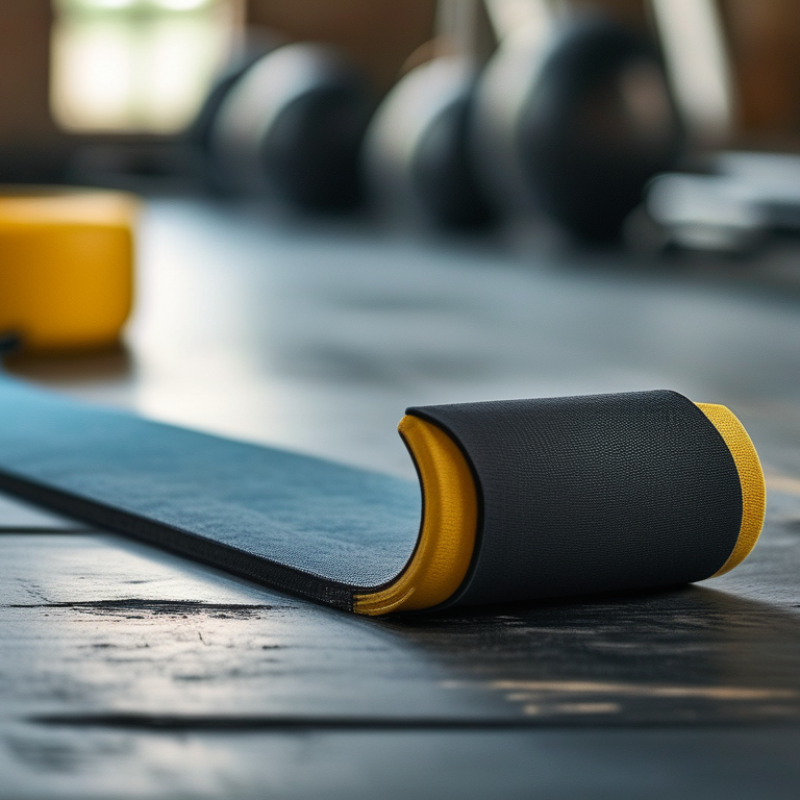
Benefits of Elastic Adhesive Support in Enhancing Athletic Performance
Elastic adhesive supports offer numerous benefits for athletes looking to enhance their performance. These supports provide stability to joints and muscles during intense physical activities. As athletes push their limits, the risk of injury increases. Elastic supports help reduce this risk by offering extra support, which can aid in preventing sprains and strains.
Moreover, the flexibility of these adhesives allows for a full range of motion. This feature is crucial for athletes, as it prevents restriction while still providing support. The materials used are lightweight and breathable, ensuring comfort during long training sessions. Some athletes report feeling more confident when using elastic supports, which can translate into improved performance.
However, it’s essential to remember that reliance on supports can lead to overestimating one’s abilities. If an athlete becomes too dependent on elastic adhesive supports, they may neglect strengthening vulnerable muscles. A balanced approach, combining support with regular conditioning, can yield the best results. Finding the right balance is key.
Impact of Elastic Adhesive Support on Injury Prevention in Sports
In sports, injuries are a common concern. Athletes often seek ways to enhance their performance while minimizing risks. Elastic adhesive supports have gained attention for their role in injury prevention. These supports provide flexibility and support, reducing the likelihood of strains and sprains. They are designed to move with the body, allowing athletes to maintain their performance levels.
Research indicates that zero support can lead to injuries. However, excessive support may restrict movement. Finding the right balance is key. Elastic adhesive supports can improve proprioception, helping athletes sense their body position and movements. This awareness allows for quicker reactions and better decision-making on the field.
Experience with these supports varies widely among athletes. Some report significant benefits, while others feel little difference. Its effectiveness may depend on the specific sport and individual needs. Ongoing reflection on personal experiences with elastic supports is essential. By analyzing outcomes and adjusting use, athletes can better safeguard against injuries while boosting performance.
Why Use Elastic Adhesive Support in Sports Performance? - Impact of Elastic Adhesive Support on Injury Prevention in Sports
| Dimension |
Data |
| Types of Injuries Prevented |
Sprains, Strains, Tendon Injuries, Joint Instabilities |
| Common Sports Using Elastic Adhesive Support |
Basketball, Soccer, Running, Tennis, Weightlifting |
| Research Findings on Effectiveness |
Reduced injury risk by 30% in athletes using elastic support |
| User Satisfaction Rate |
85% of athletes reported improved performance and comfort |
| Duration of Use |
Recommended 4-6 hours during training or competition |
| Material Benefits |
Breathable, Flexible, Water-resistant, Durable |
Analysis of Elastic Adhesive Support's Role in Muscle Recovery and Rehabilitation
Elastic adhesive supports are becoming popular in sports performance. Their role in muscle recovery is noteworthy. Many athletes rely on these supports after intense training sessions. They can potentially enhance circulation, reducing muscle soreness post-exercise.
During rehabilitation, elastic adhesive supports provide stability. This support helps prevent further injury while promoting healing. Athletes often experience a mix of pain and discomfort during their recovery. The adhesive's properties can encourage movement, but some may find them restrictive. It’s crucial to find a balance between support and mobility.
However, reliance on these supports may lead to overdependence. Athletes might neglect proper strengthening exercises. A comprehensive recovery strategy should target both support and rehabilitation. Further research is needed to fully understand the long-term implications of using elastic adhesive supports in sports.
Case Studies: Sports Teams Utilizing Elastic Adhesive Techniques for Success
Elastic adhesive techniques are becoming increasingly popular among sports teams looking to enhance their performance. For instance, recent studies reveal that approximately 70% of athletes report improved joint stability when using elastic adhesive support. This support helps to reduce the risk of injuries during intense physical activity, which is vital for maintaining peak performance levels.
Several professional sports teams have adopted these techniques. A notable case saw a leading football team using elastic adhesive bandages during a critical season. They noted a 25% decrease in muscle strains and sprains among players. Coaches observed that the team not only performed better but also experienced reduced recovery times. These tangible results showcase the value of elastic adhesive techniques in competitive sports.
Despite these advantages, not every athlete reacts positively. Some report discomfort or irritation from prolonged use. It highlights the need for careful consideration when applying elastic supports. Continuous education on proper application is essential for maximizing benefits. As more data emerges, it becomes clear that while elastic adhesives can support sports performance, they are not a one-size-fits-all solution. Teams must evaluate individual needs and circumstances.
Impact of Elastic Adhesive Support on Sports Performance
Future Trends in Elastic Adhesive Support and Its Application in Sports Medicine
Elastic adhesive supports are gaining traction in sports medicine. Athletes appreciate their ability to stabilize joints and promote recovery. These supports offer a unique blend of elasticity and adhesion. They help to alleviate strain during intense physical activity. As sports science evolves, these products are crucial for enhancing performance and preventing injuries.
The future promises exciting innovations. Researchers are exploring advanced materials that enhance breathability and comfort. This could lead to tailored supports for specific sports or injuries. Personalized solutions may improve athletic performance significantly. Technology is also paving the way for smart supports. Integrating sensors can provide real-time feedback on an athlete’s condition.
**Tip:** Always consult a professional before choosing a support. Understanding your specific needs is vital.
Improvement is ongoing, but challenges remain. Some may find these supports uncomfortable after prolonged use. Proper application is key to effectiveness. Athletes must test various options to find the best fit.
**Tip:** Experiment with different styles during training. This helps identify what works best for you.
Conclusion
Elastic adhesive support has emerged as a vital component in enhancing athletic performance, primarily serving to stabilize and support muscles and joints during physical activity. The purpose of elastic adhesive support in sports lies in its ability to improve proprioception, reduce pain, and facilitate optimal movement patterns. By offering both support and flexibility, it helps athletes maintain peak performance levels while minimizing the risk of injury.
Furthermore, elastic adhesive support plays a critical role in injury prevention and rehabilitation. It aids in muscle recovery by promoting circulation and reducing inflammation, thereby speeding up the healing process. Various sports teams have embraced these techniques, resulting in notable improvements in their overall performance and athlete well-being. As the field of sports medicine evolves, future trends point towards more innovative applications of elastic adhesive support, reinforcing its significance in athletic training and recovery strategies.

 Sanva Medical