In the medical field, the effective storage and maintenance of support materials are crucial for ensuring patient safety and treatment efficacy. Dr. Emily Thompson, a renowned expert in medical logistics, emphasizes, "Proper organization of medical supplies can significantly reduce errors and enhance care quality." As healthcare systems become more complex, understanding how to store and maintain medical support materials is essential.
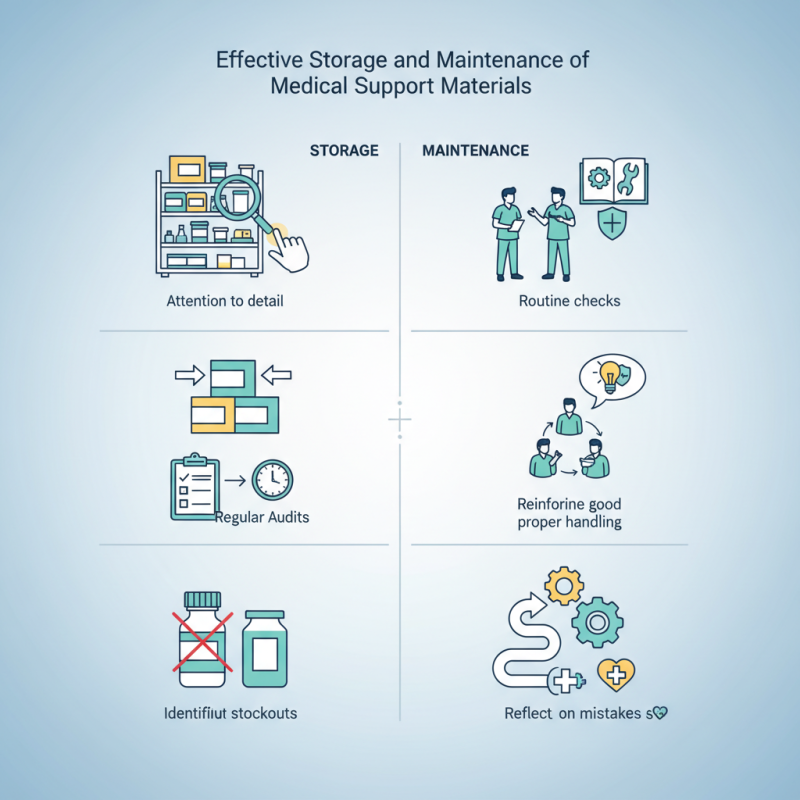
Effective storage requires attention to detail. Each item should have a designated space that is easily accessible. Labels should be clear and visible. Regular audits are necessary to keep inventory current. This helps in identifying expired materials and preventing stockouts. Many facilities struggle with organization and can overlook crucial supplies.
Maintenance involves routine checks and staff training. Staff must understand the importance of proper handling and storage techniques. Frequent training sessions can reinforce good practices. However, even with training, some may still forget. Reflecting on mistakes can lead to better procedures. Ultimately, the goal is effective and safe patient care.
Medical support materials play a crucial role in healthcare. They include various tools, devices, and resources that assist medical professionals in delivering patient care. Understanding these materials is essential for effective treatment. For example, diagnostic tools help identify conditions early. They are vital in preventive care. Knowledge of each material's function enhances patient outcomes.
Proper storage and maintenance of these materials can be challenging. Improper handling can compromise their effectiveness. Some materials need specific temperature controls. Others require sterilization to prevent infections. Regular checks can ensure everything remains in top condition. Investing time in organization can save crucial moments during emergencies. Every healthcare provider should prioritize understanding their tools.
Reflection on past experiences reveals gaps in knowledge. Many professionals may overlook the importance of regular training. Continuous education is vital. It fosters familiarity with newly introduced materials. Mistakes happen when familiarity fades. Keeping abreast of advancements in medical support materials is essential for ongoing success in patient care.
Choosing the right storage solutions for medical support materials is crucial for efficiency and safety. According to a 2022 survey by the Healthcare Materials Management Society, 73% of healthcare professionals reported that proper storage directly affects workflow. Organizing materials in a manner that minimizes retrieval time is essential in fast-paced environments.
Utilizing clear, labeled containers can enhance visibility. Transparent bins allow for quick identification, reducing search times significantly. Additionally, categorized storage—such as separating surgical supplies from diagnostic tools—facilitates efficient access. Proper shelving systems can help utilize vertical space and keep materials organized.
Tip: Regularly assess your storage layout to identify any inefficiencies or overcrowded areas. Consider rotating stock to ensure older materials are used first. A January 2023 report indicated that 60% of facilities experiencing stockouts could improve their management strategies. Implement a system that allows for tracking inventory levels in real time to prevent shortages.
Lastly, maintaining a clean storage area is vital. Regularly scheduled cleanouts not only help in keeping materials organized but also ensure that expired items are removed. This practice enhances overall safety and compliance with health regulations.
Organizing medical support materials efficiently can significantly enhance operational efficiency in healthcare settings. A structured approach fosters quick access to crucial information. Consider creating categorized folders for easy reference. Each category can represent different medical procedures, emergency protocols, or patient care resources.
Tips: Use color-coding to distinguish categories. It helps in quick identification, especially in high-pressure situations. Labels should be clear and concise. This reduces the time spent searching for documents. However, one must regularly evaluate the relevance of each document. Outdated information can create confusion.
Another effective practice is to utilize digital tools for storage. Electronic systems provide easy access and reduce physical clutter. Regular audits of digital files help maintain accuracy. But be cautious; over-documentation can lead to information overload. Striking a balance is crucial. Prioritize essential materials while ensuring they are readily available.
This chart illustrates the effective organization of various medical support materials in terms of the number of items stored. Proper organization is essential for ensuring that medical professionals can quickly access necessary materials during critical situations.
Maintaining medical support materials is crucial for healthcare providers. Regular quality checks ensure functionality and safety. Scheduled inspections allow for timely identification of damaged or expired items. Use checklists to track the condition of each item. This ensures consistency and minimizes errors.
Training staff on maintenance techniques is essential. They should know how to inspect equipment properly. Encourage a culture of accountability. Staff should feel responsible for reporting issues. Consider using visual aids for effective communication of maintenance protocols. Regular workshops can enhance skills and knowledge.
Reflect on past challenges faced during maintenance. Learning from mistakes can lead to improvements. Ensure that storage areas are organized and easily accessible. A cluttered space can lead to overlooked items. By taking these steps, the integrity of medical support materials can be safeguarded.
Implementing a robust system for tracking and updating medical support materials is essential for healthcare efficiency. A study by the Institute of Medicine points out that up to 30% of healthcare resources are wasted. Therefore, maintaining an organized system can lead to significant cost savings and improved patient outcomes. Effective tracking allows facilities to monitor the usage, expiration dates, and availability of materials, ensuring that the right supplies are always on hand.
To achieve this, consider adopting a digital inventory management system. Such systems can automate stock tracking and alert users when items are low or nearing expiration. Regular audits also play a crucial role; a 2020 report from the World Health Organization highlighted that hospitals that audit their supplies biannually reduce waste by 20%.
Tips: Schedule monthly reviews of your inventory. This keeps materials current and identifies any gaps. Engage frontline staff for feedback on material usage. Their insights can help refine your tracking system and enhance overall workflow. Regular training on the system will prevent lapses in its use and ensure compliance among staff.
| Material Type | Storage Location | Last Updated | Next Review Date | Status |
|---|---|---|---|---|
| Emergency Protocols | Central Office - Room 101 | 2023-05-10 | 2024-05-10 | Active |
| Medication Guidelines | Pharmacy Room - Shelf A | 2023-06-15 | 2024-06-15 | Active |
| Patient Information Leaflets | Waiting Area - Rack 2 | 2023-07-01 | 2024-07-01 | Pending Review |
| Infection Control Procedures | Infection Control Lab - File Cabinet | 2023-08-20 | 2024-08-20 | Active |
| Emergency Contact Numbers | Staff Room - Bulletin Board | 2023-09-05 | 2024-09-05 | Active |
: They are tools and resources that assist healthcare professionals in delivering patient care effectively.
Knowledge about these materials enhances patient outcomes and aids in effective treatment strategies.
Proper storage requires specific temperature controls and sterility to ensure their effectiveness and prevent infections.
Improper handling can compromise their effectiveness and negatively impact patient care.
Monthly reviews are recommended to keep materials current and identify gaps in supplies.
Regular audits can significantly reduce waste and help maintain an organized inventory system.
Ongoing education ensures familiarity with new materials and prevents mistakes due to lack of knowledge.
It automates stock tracking and alerts users when supplies are low or nearing expiration.
Up to 30% of healthcare resources can be wasted, pointing to a need for better organization.
They should consider previous experiences to identify knowledge gaps and prioritize training.
Effective storage and maintenance of medical support materials are crucial for ensuring availability and safety in healthcare settings. To understand how to store and maintain medical support materials, one must first recognize their significance in providing comprehensive patient care. Choosing the right storage solutions that offer optimal organization and accessibility is essential, along with adhering to best practices that enhance efficiency in managing these materials.
Regular maintenance and quality checks are vital to keep the materials in good condition, preventing potential hazards and ensuring their reliability. Implementing a systematic approach for tracking and updating medical support materials not only aids in inventory management but also ensures compliance with health regulations. By following these guidelines, healthcare providers can guarantee that their medical support materials are maintained effectively, supporting their vital role in patient care.

Sanva Medical