Kinesiology taping has gained popularity for its potential to support muscles. Athletes and physical therapists often use it. However, many might wonder how to use kinesiology taping for muscle support effectively. This technique involves applying elastic tape to the skin. It claims to assist in pain relief, reduce swelling, and enhance performance.
The science behind kinesiology taping involves providing stability without restricting motion. Proper application is crucial for achieving desired results. Unfortunately, improper techniques can lead to ineffective support or even injury. Understanding the muscle anatomy is vital when applying the tape. Each application should cater to the specific needs of the individual.
This guide will explore practical methods for effective taping. It will address common mistakes and provide tips for better outcomes. With a thoughtful approach, users can maximize the benefits of kinesiology taping.
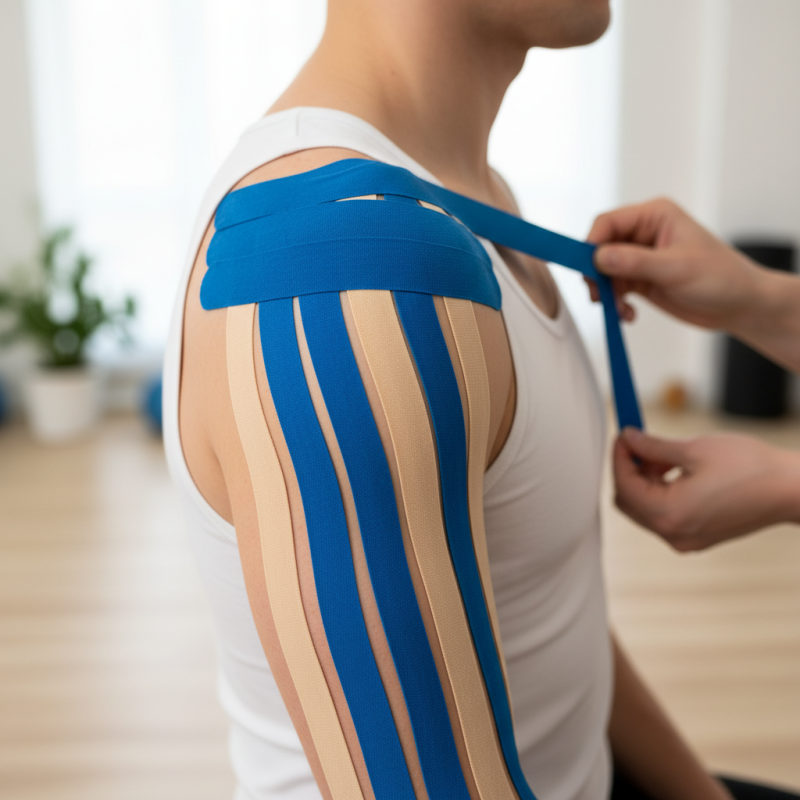
Kinesiology taping has become popular in the world of sports and rehabilitation. Understanding its purpose is key to effective use. This technique involves applying elastic tape to support muscles and joints without restricting movement. It promotes healing and reduces pain. Many athletes swear by its benefits, while others may question its effectiveness.
When applying kinesiology tape, the technique matters. Taping improperly may lead to discomfort. The tape should be stretched to a certain degree, but not too tight. Knowing the specific muscle groups involved is vital. Each application varies depending on the injury or support needed. It’s not just about slapping tape on; understanding muscle alignment and tension is essential.
Some people experience skin irritation from the tape. Others may find it difficult to maintain effectiveness over time. Regular practice and feedback can improve application skills. Learning from mistakes helps in refining the technique. Keep an open mind about results. What works for one person might not work for another.
Kinesiology taping has gained popularity for muscle support. Athletes and physical therapists often use it to enhance performance and recovery. The key benefits of this technique are noteworthy.
One significant advantage is improved blood flow. Taping helps lift the skin, allowing better circulation. This can reduce inflammation and promote healing. For those recovering from injuries, this is crucial. Enhanced proprioception is another benefit. Kinesiology taping provides feedback to the brain. It helps individuals maintain proper posture and movement, which is essential in avoiding re-injury.
Tips for effective use include proper application techniques. Ensure the skin is clean and dry before taping. Cut the tape into appropriate lengths for specific muscle groups. Experiment with different tensions to find what feels best. Regularly check the tapes for wear and tear, as outdated tape can lose effectiveness. Not everyone responds the same way to taping. Some may find it uncomfortable or ineffective. It's important to listen to your body and adjust accordingly. Remember, kinesiology taping is just one part of a larger recovery strategy.
Kinesiology taping can provide muscle support effectively when applied correctly. Understanding the right techniques is essential. Start with clean and dry skin. Choose a tape that suits your need. Cut the tape to the desired length, leaving extra on each end for better adhesion.
Apply the tape with just the right amount of tension. Too much tension can cause discomfort. Conversely, too little may not provide adequate support. A common mistake is applying the tape without stretching it. Ensure the muscle is in its relaxed state before application. This positioning allows the tape to lift the skin and improve circulation.
Tips: Experiment with different taping methods. Some areas may need more support than others. Listen to your body’s reaction after application. If irritation occurs, consider re-evaluating your technique. Proper education on kinesiology taping can enhance its effectiveness. Seek guidance from professionals or credible sources for advanced techniques. Keep practicing to improve your application skills.
Kinesiology taping can be a powerful tool for muscle support. However, many people make common mistakes when applying it. One major mistake is not preparing the skin properly. Clean and dry skin enhances adhesion. Moisturizers or oils can prevent the tape from sticking effectively. This often leads to premature peeling and reduced support.
Another common error is cutting the tape incorrectly. Using uneven or torn edges can affect performance. Make sure to cut at an angle and create a rounded edge. It helps the tape conform better to the skin and reduces the chance of irritation. Another issue arises from pulling the tape too tightly. Overstretching can restrict blood flow or cause discomfort. It's crucial to apply enough tension, but not to the point of pain.
Applying tape without considering the muscle's motion is also a pitfall. Understanding how the tape interacts with the muscle will lead to better results. Always follow the natural muscle pathways. Finally, avoid leaving tape on for too long. Skin reactions can occur after extended wear. Monitor your skin’s response and replace the tape as needed. These reflections can enhance your kinesiology taping experience.
Maintaining kinesiology tape is crucial for achieving optimal results. To ensure your tape sticks well, start with clean skin. Oils, lotions, or sweat can affect adhesion. Clean the area with mild soap and water. Let the skin dry completely before applying the tape.
Another important tip is to avoid stretching the tape too much when applying it. This can lead to skin irritation. Instead, apply the tape with a gentle tension. Each strip should support the muscle without causing discomfort. It’s also essential to avoid putting tape over cuts or rashes. If irritation occurs, remove the tape immediately.
Proper care can prolong the life of your kinesiology tape. Keep the area dry and avoid excessive moisture. If swimming or sweating a lot, change the tape more frequently. Sometimes, it may not last as long as expected. Reflect on your technique after each use. Are you securing it properly? Are there signs of wear? Such observations help improve future applications.
| Tip | Description | Frequency of Change | Duration of Wear |
|---|---|---|---|
| Skin Preparation | Clean the skin area thoroughly to remove oils and moisture. | Before each application | N/A |
| Correct Application | Apply the tape with the skin in the position that will be used during activity. | N/A | Up to 3-5 days |
| Avoid Excessive Moisture | Keep the tape dry and avoid water exposure when possible. | Daily | N/A |
| Regular Checks | Inspect the tape daily for signs of wear or peeling. | Daily | N/A |
| Gentle Removal | Remove the tape gently to avoid skin irritation. | As needed | N/A |
: Kinesiology taping supports muscles and enhances performance. It's popular among athletes and physical therapists.
The tape lifts the skin, improving circulation. This can reduce inflammation and help healing.
Clean and dry your skin before taping. This ensures better adhesion and support.
Not everyone responds well. Some may find it uncomfortable or ineffective. Always listen to your body.
Avoid stretching the tape too tightly. This can restrict blood flow and cause discomfort.
Keep the area dry and avoid moisture. Change the tape frequently if you're sweating a lot.
Yes, leaving tape on for too long can cause skin reactions. Monitor your skin and replace it as needed.
Proper technique ensures the tape conforms to muscle motion. This leads to better results and prevents irritation.
Secure the tape properly and check for wear after each use. Adjust based on your experience.
If you experience significant discomfort or skin irritation, it may be time to reassess your technique or usage.
Kinesiology taping has gained popularity for its ability to provide muscle support and enhance athletic performance. Understanding kinesiology taping is crucial as it involves the application of elastic tape to support and stabilize muscles and joints without restricting movement. Key benefits include pain relief, reduced muscle fatigue, and improved circulation.
To effectively learn how to use kinesiology taping for muscle support, it is essential to follow a step-by-step guide for application. This includes preparing the skin, cutting the tape correctly, and applying it with the appropriate tension. Common mistakes, such as insufficient skin preparation or incorrect tape placement, can hinder results. Finally, maintaining the tape by keeping it dry and avoiding friction can ensure optimal performance and longevity. With these insights, one can confidently utilize kinesiology taping to enhance muscle support and recovery.

Sanva Medical