Understanding the nuances of injury treatment is essential for both athletes and casual fitness enthusiasts. When it comes to managing pain or preventing injuries, many wonder: what is the difference between support taping and compression therapy? Both methods serve valuable roles, yet they approach healing differently.
Support taping involves the use of adhesive tapes to stabilize muscles and joints. It can enhance proprioception and decrease the risk of injury during physical activities. On the other hand, compression therapy primarily focuses on applying pressure to promote circulation. This aids in reducing swelling and accelerating recovery.
While both techniques have their merits, individuals may find one approach more beneficial based on specific needs. It's crucial to consider factors like the type of injury and personal comfort. Some might prefer the tactile support from taping, while others may favor the soothing effects of compression garments. Understanding these distinctions can lead to more effective treatment choices that align with one's unique body dynamics.
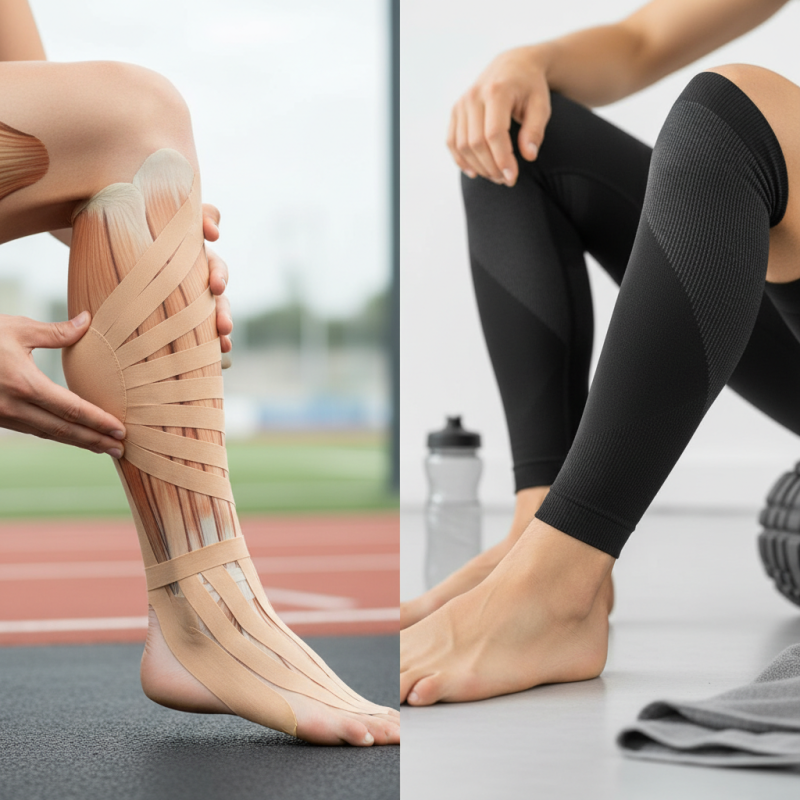
Support taping is a valuable technique used in sports and rehabilitation. It involves applying flexible tape to joints and muscles. This method provides stability without restricting movement. Trained practitioners typically use this technique during physical therapy sessions or sports events. The tape can be adjusted based on the specific needs of the athlete or patient.
Common applications include injury prevention, support for sprains, and managing chronic pain. Athletes often find relief through customized taping strategies. However, it's important to note that improper taping can lead to discomfort or reduced effectiveness. Feedback from users is essential for refining techniques.
Understanding support taping requires skill and practice. Each application must consider an individual's unique anatomy and condition. Observing how different taping methods impact movement can lead to better outcomes. Constant evaluation and adaptation of techniques are necessary for optimal use. With careful attention, support taping can enhance performance and aid recovery effectively.
This chart represents the comparative effectiveness of Support Taping and Compression Therapy, highlighting their respective benefits in managing pain and providing support during recovery.
Compression therapy is a therapeutic technique designed to support circulation and reduce swelling. It uses specially designed garments or wraps to apply pressure to the limbs. This method can be beneficial for those recovering from injuries or surgeries. It helps prevent fluid accumulation and supports faster healing. Many athletes use compression therapy to improve their performance and recovery.
In exploring the mechanisms of compression therapy, it’s essential to understand how it works. The pressure applied encourages blood flow back to the heart. It also improves lymphatic drainage, reducing the risk of complications like lymphedema. This method can enhance proprioception, helping individuals maintain better body awareness during activities. However, not everyone responds the same way. Some may feel discomfort or even restricted movement. Adjusting the level of compression is necessary for effectiveness.
Tips: Always consult a healthcare professional before starting any therapy. Listen to your body; if something feels wrong, reassess your approach. Consider wearing compression garments during exercise but take breaks from them to avoid dependency.
Support taping and compression therapy serve distinct purposes in injury management and rehabilitation.
Support taping offers stability to joints and muscles during activity. It is applied to prevent excessive movement and reduce the risk of injury. Research indicates that taping can enhance proprioception, improving an athlete's awareness of joint position. This is vital for effective movement and injury prevention.
On the other hand, compression therapy focuses on improving circulation and reducing edema. It can be especially beneficial post-surgery or after intense workouts.
A study from the Journal of Rehabilitation Research found that compression garments effectively decrease muscle soreness and enhance recovery times. Compression therapy works by applying pressure to the area, promoting blood flow and lymphatic drainage.
Contrastingly, each method comes with limitations. Some may find support taping uncomfortable after prolonged use, while compression garments may feel restrictive. It’s important for users to monitor their comfort levels and adjust accordingly. Both techniques can be effective when applied correctly, but understanding their differences is crucial for optimal recovery and performance.
Support taping and compression therapy serve different purposes in injury prevention and recovery. Support taping offers stability to joints and muscles. It restricts movement while allowing some flexibility. This is especially useful for athletes during training or competition. For example, a sprained ankle can benefit greatly from support taping, as it gives added support without immobilization.
Compression therapy, on the other hand, focuses on promoting blood flow and reducing swelling. It uses specialized garments to apply pressure on the limbs. This method is often recommended after surgery or injury. For instance, wearing compression socks post-surgery can enhance recovery by minimizing swelling and discomfort.
Choosing between the two depends on specific needs. If extra joint stability is required, taping is preferable. However, for reducing swelling or aiding circulation, compression is the better option. Balancing these techniques can be challenging but is crucial for optimal recovery. Each individual may respond differently, which requires careful consideration and perhaps trial and error.
Compression therapy and support taping are common treatments for injuries. Despite their benefits, both methods come with risks. Compression therapy can cause skin irritation and numbness if not properly applied. Research indicates that excessive compression might lead to blood flow issues (British Journal of Sports Medicine, 2020). It’s essential to follow guidelines to prevent complications.
Support taping, on the other hand, can restrict movement too much, impacting recovery. Studies show that improper tape application may not provide the intended support (Journal of Sports Rehabilitation, 2019). Users report discomfort and restricted circulation if the tape is too tight. Listening to your body is key; if pain increases, it might be time to seek expert advice.
Tips: Always consult a specialist before starting either treatment. Test for skin sensitivity prior to use. Adjust your technique if discomfort arises. Awareness of your body’s responses is crucial for safe treatment.
| Treatment Type | Primary Purpose | Benefits | Potential Risks | Precautions |
|---|---|---|---|---|
| Support Taping | Joint stability and support | Improved proprioception, reduced pain | Skin irritation, allergic reactions | Ensure skin is clean and dry; avoid excessive stretching |
| Compression Therapy | Reduce swelling and improve circulation | Decreased edema, enhanced recovery | Nerve compression, impaired blood flow | Consult a healthcare provider before use; monitor for discomfort |
: Compression therapy supports circulation and reduces swelling using specially designed garments that apply pressure to limbs.
It's especially useful for those recovering from injuries or surgeries, and many athletes use it to improve recovery.
The pressure encourages blood flow back to the heart and improves lymphatic drainage, reducing complications like lymphedema.
Listen to your body. If you feel discomfort or restricted movement, you may need to adjust the compression level.
Use support taping for extra stability during activity, while compression therapy is better for reducing swelling post-injury.
Yes, but effectiveness varies by individual. Monitor comfort levels and adjust your approach for optimal recovery.
Taping offers joint stability, while compression therapy focuses on enhancing circulation and reducing edema after injury or surgery.
Yes, some may find both support taping and compression garments uncomfortable. Regular reassessment is important.
Yes, but take breaks to avoid dependency and listen to your body's feedback throughout your workouts.
Your specific needs, comfort during use, and the type of injury or recovery required should guide your choice.
In the exploration of injury management and rehabilitation, practitioners often wonder, "what is the difference between support taping and compression therapy?" Support taping involves using adhesive tape to stabilize joints and muscles, providing support during physical activities and preventing further injury. Various techniques can be employed for specific applications, making it a versatile tool in sports medicine.
On the other hand, compression therapy utilizes specially designed garments or wraps that apply pressure to the affected areas, enhancing circulation and reducing swelling. While both methods aim to facilitate recovery, their mechanisms differ significantly. Knowing when to use support taping versus compression therapy is crucial, as each has its respective benefits and potential risks. Understanding these distinctions helps clinicians and patients make informed choices about treatment approaches in rehabilitation settings.

Sanva Medical