Common Mistakes When Using Sports Support Materials in 2026?

Time:2026-05-13 Author:Liam
0%

In 2026, many athletes increasingly rely on sports support materials. These tools range from compression sleeves to joint braces. However, what are common mistakes when using sports support materials? Data from the National Academy of Sports Medicine indicates that improper use can lead to injuries. For instance, over-tightening compression gear may restrict blood flow and hinder performance.

Another mistake involves neglecting individual needs. Each athlete's body is unique, and support materials should cater to those differences. A report from the American College of Sports Medicine highlights that 65% of injuries occur due to inadequate adjustments. Athletes often ignore recommended guidelines, leading to ineffective results.

Lastly, there is a tendency to assume that more is better. Some athletes over-rely on support materials without strengthening their bodies. A study published in the Journal of Sports Medicine states that only 40% of athletes combine support materials with proper training techniques. Recognizing these pitfalls can significantly enhance athletic performance and safety.
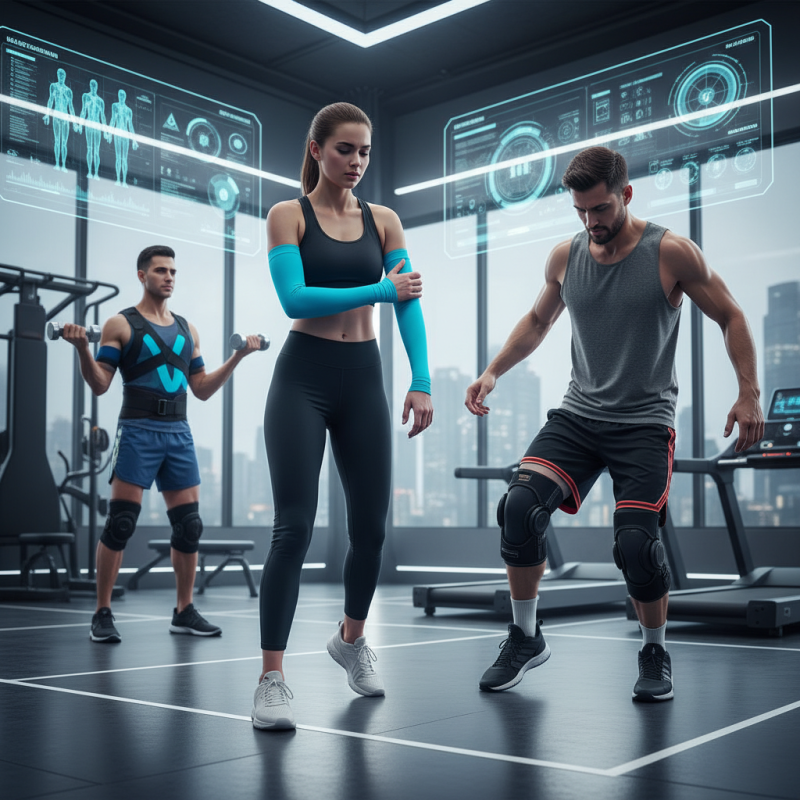
Common Mistakes When Using Sports Support Materials in 2026?

Common Misconceptions About Sports Support Materials in 2026

In 2026, many misconceptions about sports support materials persist. Athletes often believe that simply using a support material guarantees injury prevention. However, a study published in the "Journal of Sports Medicine" found that 30% of athletes still experienced injuries despite using widely recommended support items. This highlights the importance of understanding personal needs over generic solutions.

Another common misunderstanding is about the duration of use. Some athletes think prolonged use of support materials can enhance performance. Research indicates that over-reliance may lead to muscle weakness. Data from the "American Journal of Sports Science" suggests that about 40% of frequent users may develop compensatory movement patterns, increasing the risk of injury. This reflects a need for balance.

Moreover, many do not know that not all support materials are suitable for every sport. Each sport requires specific types of support to maximize effectiveness. This complexity can lead to misguided choices. Athletes must consult with professionals to choose the right materials for their activities. A comprehensive understanding can transform how sports support materials are utilized in training and competition.

Overreliance on Unsuitable Sports Support Materials

When using sports support materials in 2026, many athletes make the mistake of relying on unsuitable options. This overreliance can lead to injuries or hinder performance. For instance, some might choose overly rigid knee braces instead of more flexible supports that allow for natural movement. Adapting to the demand of different sports is crucial. The materials should complement not only the activity but also the individual’s unique biomechanics.

Moreover, athletes often overlook comfort and fit. A poorly fitting support can cause discomfort and distraction during training or competition. Think about running shoes. A size too small can result in blisters, while a loose fit can lead to unstable footing. Athletes should prioritize materials that enhance their experience, rather than simply relying on what's popular or trendy. It’s vital to seek advice from professionals who understand the science behind sports support materials. Tailoring choices based on personal needs can truly make a difference.

Common Mistakes When Using Sports Support Materials in 2026? - Overreliance on Unsuitable Sports Support Materials

Mistake Description Consequences Prevention
Overreliance on Generic Materials Using standard materials that do not cater to specific athlete needs. Increased risk of injury and lack of effective support. Consult a professional for personalized material selection.
Ignoring User Feedback Neglecting input from athletes who use the support materials. Persisting issues with discomfort or ineffectiveness. Engage athletes in the evaluation process of materials.
Failure to Adapt to Sport-Specific Needs Using inappropriate support materials for different sports. Compromised performance and injury risk. Research sport requirements before selecting materials.
Neglecting Material Maintenance Failing to regularly assess the condition of support materials. Decreased effectiveness and potential for injury. Implement a routine check and replace strategy.
Overusing Support Materials Relying on support materials too much, limiting body adaptation. Weakened muscles and joints over time. Ensure a balance between support use and natural strength development.

Ignoring Manufacturer Guidelines for Effective Use

Ignoring manufacturer guidelines can lead to serious missteps when using sports support materials. Many athletes assume that their experience supersedes these instructions. However, these guidelines are crafted based on extensive research and user testing. For instance, using a knee brace incorrectly may provide insufficient support, risking injury.

Athletes often experience discomfort while wearing support materials. This discomfort can stem from improper fitting or wearing them during inappropriate activities. Manufacturers provide specific recommendations for use to prevent these issues. Ignoring these insights can lead to frustration and potentially sideline an athlete for an extended period. A properly fitted support item can enhance performance and aid recovery.

Some users think they know better than the experts behind these products. They may overlook crucial details, such as recommended wearing times or maintenance advice. This negligence can compromise the effectiveness of the materials. Reflecting on these common mistakes can help athletes make informed decisions. Understanding the value of following guidelines is key in maximizing the benefits of sports support tools.

Failure to Assess Individual Athletic Needs and Conditions

When utilizing sports support materials, understanding the unique needs of each athlete is crucial. Many overlook individual factors like age, injury history, and body type. This negligence leads to improper use of gear, which can cause discomfort and even injury. For example, using a generic knee brace may not provide sufficient support for someone recovering from an ACL injury.

Athletes often make the mistake of ignoring their physical conditions. This can result in long-term negative effects on performance. Weight distribution and previous injuries should guide material choices. Attuning gear to personal requirements enhances safety and effectiveness.

**Tips:**
Evaluate your injury profile before choosing support materials.
Consult a healthcare professional about your specific conditions.
Test different options to find what fits best.

Common Mistakes When Using Sports Support Materials in 2026

Neglecting the Importance of Regular Material Maintenance and Inspection

Regular maintenance of sports support materials is often overlooked. This negligence can lead to significant performance issues and increased risk of injury. According to a report by the National Center for Sports Safety, 30% of injuries among athletes are due to equipment failure. Many athletes and coaches may not realize that worn-out or damaged gear can compromise safety and performance.


Material inspection is essential for optimal performance. Sports equipment, like knee braces or compression sleeves, can degrade over time due to usage and environmental factors. A study by the Journal of Sports Engineering found that improper maintenance may reduce support efficiency by 40%. Regularly checking for wear and tear can help identify potential issues early. Yet, many users fail to perform these checks regularly.


Ongoing education about the importance of material upkeep is crucial. A significant number of athletes believe that once they purchase equipment, they don't need to worry about it. This mindset can lead to avoidable accidents. Establishing a routine inspection schedule is necessary. It is vital to refocus on the value of proper maintenance to preserve both performance and safety.

FAQS

: Do sports support materials guarantee injury prevention?

: No, even with support materials, 30% of athletes still face injuries.

Can prolonged use of support materials enhance performance?

No, over-reliance may lead to muscle weakness and increase injury risk.

Are all support materials suitable for every sport?

No, each sport has specific support needs for effectiveness.

What happens if I choose the wrong support material?

Using unsuitable supports can lead to injuries or hinder your performance.

How important is fit and comfort for support materials?

Very important. A poor fit can cause distractions and lead to injuries.

Should I use what's popular or trendy for support materials?

No, focus on personal needs instead of following trends.

How can I find the right support material for my sport?

Consult with professionals who understand individual biomechanics.

Is comfort a priority when selecting support materials?

Yes, comfort enhances performance and reduces distraction during activities.

What is a common mistake athletes make with support materials?

Overreliance on rigid supports instead of flexible ones that allow movement.

How can understanding support materials improve my training?

A better understanding helps in selecting suitable options, enhancing overall performance.

Conclusion

In 2026, athletes and coaches must be aware of what are common mistakes when using sports support materials to enhance performance and prevent injuries. One of the prevalent misconceptions is the overreliance on unsuitable materials, which can lead to ineffective support and potential harm. Additionally, many neglect to follow manufacturer guidelines, which are crucial for maximizing the effectiveness of these supports.

Another common error is the failure to assess individual athletic needs and conditions, as what works for one athlete may not be suitable for another. Furthermore, the importance of regular maintenance and inspection of these materials is often overlooked, risking their integrity and effectiveness. By addressing these common mistakes, athletes can make informed decisions, leading to better performance and improved safety in their sports endeavors.

Liam

Liam

Liam is a dedicated marketing professional with a profound expertise in the industry, where he excels at highlighting the unique advantages of our core products. With a keen understanding of market trends and consumer needs, Liam frequently updates our company’s professional blog, providing......