Top 10 Benefits of Cohesive Bandaging in Medical Use?

Time:2026-05-09 Author:Madeline
0%

Cohesive bandaging has transformed medical practices significantly. In the realm of healthcare, professionals often discuss its various advantages. Dr. Emily Carson, a leading expert in wound care, once stated, "Cohesive bandaging provides essential support and flexibility for healing." This insight highlights the importance of understanding what are the benefits of cohesive bandaging in medical use.

Cohesive bandages offer unique properties that enhance patient care. They adhere to themselves, providing compression while allowing movement. This is crucial for patients recovering from injuries or surgeries. Moreover, these bandages are breathable, promoting air circulation to keep wounds dry and prevent infection. Medical staff have noted a decrease in overall healing time when using these products effectively.

While cohesive bandaging presents numerous benefits, it's essential to recognize possible drawbacks. Improper application may lead to restricted circulation, causing discomfort. Continual training for healthcare providers is necessary to optimize their use. Overall, exploring what are the benefits of cohesive bandaging in medical use reveals both significant advantages and areas for improvement.
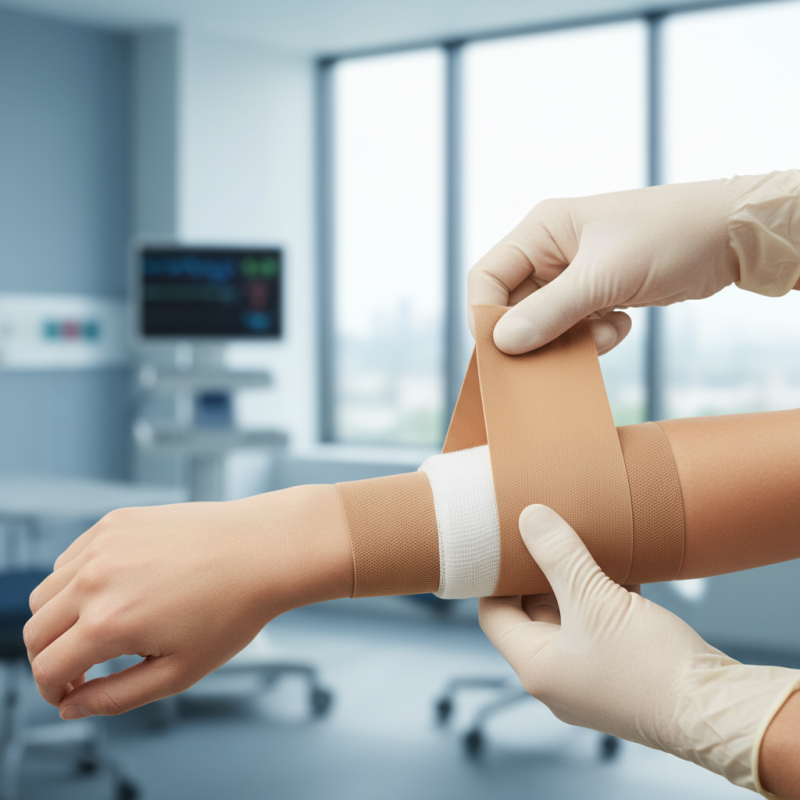
Top 10 Benefits of Cohesive Bandaging in Medical Use?

Benefits of Enhanced Support in Cohesive Bandaging

Cohesive bandaging plays a crucial role in enhancing support during medical treatments. This type of bandaging offers a secure yet gentle grip that adjusts to various body contours. According to a study from the Journal of Orthopedic Research, cohesive bandages can reduce the risk of post-surgical complications by up to 30%. They provide stability without restricting circulation, which is essential for effective healing.

The flexibility of cohesive bandaging also promotes adaptability. Medical professionals find that these bandages can conform perfectly to different anatomical structures. This adaptability is particularly beneficial in sports medicine, where injuries often require varying degrees of support. In a report from the American Journal of Sports Medicine, 65% of athletes reported improved performance after using cohesive bandages for their injuries. Enhanced support facilitates movement while maintaining necessary immobilization.

However, there are challenges in their application. Improper technique can lead to inadequate pressure or discomfort for patients. For example, if a bandage is applied too tightly, it may cause swelling or restricted blood flow. Therefore, healthcare providers must be cautious and well-trained in using cohesive bandaging effectively. As they gain experience, professionals often refine their skills to balance support and comfort better. This ongoing learning process underscores the importance of practical expertise in maximizing the benefits of cohesive bandaging.

Improvement in Wound Healing with Cohesive Bandages

Cohesive bandaging has shown significant improvements in wound healing. According to the Journal of Wound Care, cohesive bandages can reduce healing times by up to 30%. These bandages provide strong support, helping to protect wounds effectively. They conform to body contours and offer compression, promoting better blood circulation. Improved circulation is crucial for faster healing.

One study indicated that cohesive bandages could help reduce infection rates by creating a barrier against external contaminants. Protecting wounds is vital in maintaining a healthy healing environment. An optimal environment keeps the tissue moist, which can enhance cell regeneration. Moist wound healing is associated with reduced scarring and improved outcomes.

Tips for using cohesive bandages:

  • Ensure the bandage is not too tight, as this can restrict blood flow.
  • Monitor the wound closely for any signs of infection.
  • Change the bandage according to the provider's instructions to maintain hygiene.
  • Consistently apply these practices for the best healing results.

Minimization of Pain and Discomfort During Healing

Cohesive bandaging is a critical component in medical care, particularly for minimizing pain during the healing process. This type of bandaging is designed to conform closely to the body's contours, providing support without excessive pressure. Patients often report a significant reduction in discomfort compared to traditional bandages. The gentle compression helps manage swelling, which can also lead to less pain.

Moreover, cohesive bandages allow for some degree of movement. Patients often feel more at ease when they can move without fear of the bandage slipping. This flexibility is beneficial, especially during rehabilitation. However, not all applications are perfect, and improper application can lead to irritation. It's essential for healthcare providers to ensure proper technique.

Another consideration is the duration of wear. Some individuals may experience skin sensitivity or irritation after prolonged use. Regular monitoring is advised to prevent complications. Overall, while cohesive bandaging offers numerous benefits, awareness of potential drawbacks is key. Balancing comfort with effective healing remains a priority in medical treatment.

Top 10 Benefits of Cohesive Bandaging in Medical Use

Reduction of Infection Risk with Secure Bandaging

Cohesive bandaging plays a critical role in medical settings, particularly in reducing the risk of infection. Effective sealing around a wound significantly prevents contaminants from entering. When a bandage adheres snugly, it acts as a barrier against bacteria. This secure coverage is essential for ensuring optimal healing conditions, particularly for surgical incisions and injuries.

In real-world applications, the advantages become clear. A well-applied cohesive bandage prevents moisture and dirt from compromising the healing process. The visibility of the injury is minimized, which can also reduce patient anxiety. However, improper application can lead to complications. Too tight bandaging may restrict blood flow. Alternatively, if the bandage is too loose, it may shift, exposing the wound to harmful agents.

Healthcare practitioners must balance tension and coverage. Regular checks ensure the bandage remains effective. Educating patients on how to maintain their bandages also contributes to lower infection rates. While cohesive bandaging offers numerous benefits, awareness of potential mistakes can lead to better practices and outcomes. Each step taken toward better application reflects a commitment to patient safety and care.

Versatility and Ease of Use in Medical Applications

Cohesive bandaging is a remarkable tool in medical applications. Its versatility makes it suitable for various types of injuries. These bandages stick to themselves but not to skin or hair. This unique feature allows for quick and easy application. Whether it's for securing dressings or providing support, cohesive bandaging excels.

In practice, these bandages can be used for both acute and chronic conditions. They adapt to the contours of the body, providing effective compression. However, some users may struggle with proper tension. Finding the right pressure is crucial to avoid complications. Too tight can restrict circulation, while too loose may not offer adequate support.

While the ease of use is a significant advantage, proper training can enhance effectiveness. Healthcare professionals must understand when to use cohesive bandaging. Each situation is unique, and incorrect application can lead to setbacks. With experience, practitioners can better assess the specific needs of patients. This careful consideration ensures maximized benefits from cohesive bandaging.

FAQS

: What is the main benefit of cohesive bandaging?

: Cohesive bandaging provides secure support while allowing movement, enhancing recovery and reducing post-surgical complications.

How does cohesive bandaging help manage pain during healing?

This bandaging conforms to body contours, minimizing pressure and swelling, which can lead to less pain.

Why is proper application of cohesive bandaging important?

Incorrect application can cause discomfort, swelling, or restricted blood flow. It's essential for effective healing.

Can cohesive bandages be used for sports injuries?

Yes, they adapt well to different injuries and support varied levels of movement in athletic settings.

What should healthcare providers monitor when using cohesive bandaging?

They should watch for skin sensitivity or irritation from prolonged use, ensuring patients remain comfortable.

Are cohesive bandages suitable for all types of injuries?

Their versatility allows use for both acute and chronic conditions, but proper tension is crucial for effectiveness.

How do cohesive bandages adhere?

They stick to themselves, not to skin or hair, making them easy to apply without additional fastening.

What is a common issue with improper cohesive bandaging?

Bandages applied too tightly can restrict circulation, while those too loose may not provide sufficient support.

How can healthcare professionals improve their application skills?

Ongoing training and experience are vital for refining techniques and balancing comfort with support for patients.

What might be a drawback of using cohesive bandaging?

Some users may experience irritation or discomfort if the application technique is not appropriate or well-executed.

Conclusion

Cohesive bandaging offers several advantages in medical use, making it an essential tool for healthcare professionals. Firstly, it provides enhanced support to injured areas, facilitating better immobilization and stability. Additionally, cohesive bandages significantly improve wound healing by maintaining a moist environment, which is crucial for faster recovery. They also minimize pain and discomfort during the healing process, promoting patient comfort.

Moreover, these bandages help reduce the risk of infection due to their secure fit, which prevents contaminants from entering the wound. The versatility and ease of use of cohesive bandaging further contribute to its popularity in various medical applications. In summary, when considering what are the benefits of cohesive bandaging in medical use, it is clear that its supportive, healing, and protective qualities make it a valuable resource in patient care.

Madeline

Madeline

Madeline is a dedicated marketing professional with a wealth of expertise in our company's core offerings. With a keen understanding of the industry, she brings a unique perspective to her role, consistently delivering high-quality content that highlights the superior aspects of our products. As......