How to Choose Medical Support Materials for Rehabilitation?

Time:2026-05-28 Author:Mason
0%

Choosing the right medical support materials for rehabilitation is crucial for effective recovery. Many people may overlook this step, leading to inappropriate choices that hinder progress. Understanding how to select medical support materials for rehabilitation involves considering various factors, such as the type of injury and specific patient needs.

Experience shows that not all support materials are created equal. Some may be too rigid, while others lack necessary stability. Research suggests that materials should match individual recovery goals and comfort levels. Engaging with healthcare professionals can provide insights into effective options.

It's important to reflect on personal experiences and preferences. What worked for one person may not suit another. Additionally, the rapidly changing nature of rehabilitation materials means that staying informed is essential. Patients need to evaluate not just immediate needs, but long-term effects as well. By understanding these dynamics, individuals can make more informed decisions on their rehabilitation journey.
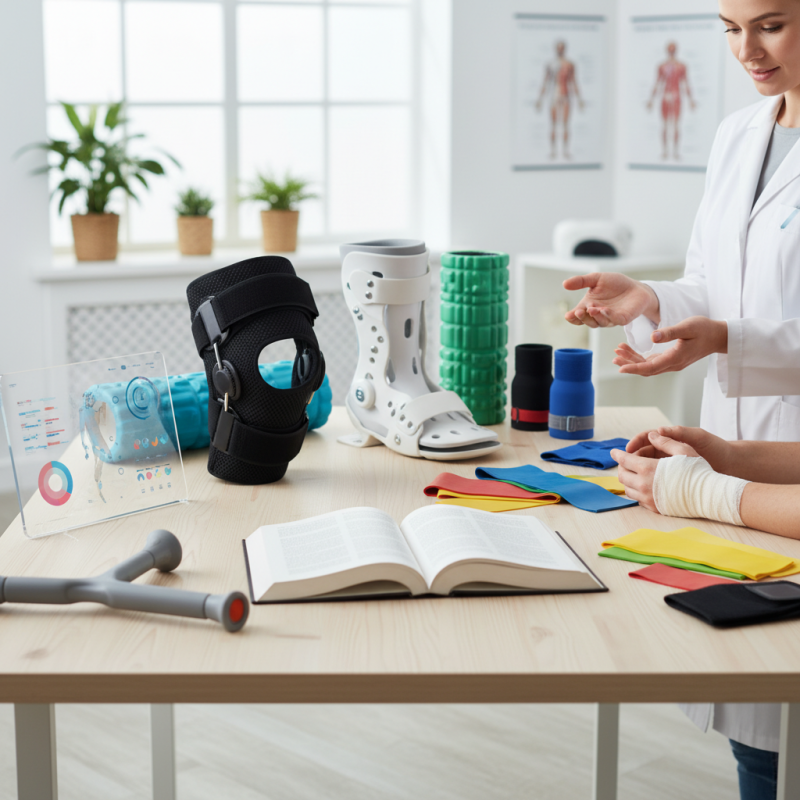
How to Choose Medical Support Materials for Rehabilitation?

Understanding the Role of Medical Support Materials in Rehabilitation

Medical support materials play a crucial role in rehabilitation. They aid the healing process and improve patients' quality of life. Understanding what type of materials to choose can be challenging. Consider factors like the specific injury or condition, the stage of recovery, and the patient's comfort level.

For instance, soft orthopedic supports help reduce pain and provide stability. They can be essential for injuries like sprains or strains. These materials often prioritize flexibility and breathability. In contrast, rigid supports are suitable for more severe conditions. A professional's opinion is vital here to avoid choosing the wrong type. Without expert guidance, recovery may be prolonged or complicated.

It's also important to reflect on user experiences. Not all supports fit everyone well. Some may find certain materials uncomfortable or restrictive. Feedback from patients is invaluable for improvement. Manufacturers should prioritize user reviews in their designs. Rehabilitation is a journey, and the right support materials can make a significant difference.

How to Choose Medical Support Materials for Rehabilitation?

Material Type Purpose Key Features Considerations
Braces Support and stabilization of joints Adjustable, cushioned, lightweight Proper fit, ease of putting on/taking off
Orthotics Foot support and alignment Customizable, cushioned, shock-absorbing Specific to foot shape, comfort during use
Therapeutic Tapes Muscle support and pain relief Elastic, breathable, waterproof Skin sensitivity, how long to wear
Compression Garments Reduce swelling, aid circulation Various compression levels, moisture-wicking Size selection, comfort during activity
Rehabilitation Equipment Strengthening and mobility enhancement Adjustable weights, compact design User-friendly, progressive resistance

Identifying Different Types of Medical Support Materials Available

Rehabilitation requires tailored medical support materials. Identifying various types ensures effective recovery. According to a report by the World Health Organization, over 1 billion people experience severe disabilities worldwide. This statistic emphasizes the need for appropriate support tools.

Medical support materials encompass a range of products. These include braces, splints, mobility aids, and therapeutic equipment. For instance, knee braces are essential for stability during recovery. A recent study revealed that using custom-fitted braces increased patient satisfaction by 40%. This highlights the importance of individualized choices in rehabilitation.

Despite the abundance of options, challenges remain. Not all patients respond to similar materials. Some may experience discomfort or inadequate support. Continuous assessment and feedback are crucial in optimizing the selection process. Understanding patients' unique needs can lead to better outcomes. The right materials can significantly enhance mobility and confidence.

Types of Medical Support Materials for Rehabilitation

This bar chart displays the number of users for various types of medical support materials commonly used in rehabilitation. Each type of support material is crucial for different rehabilitation needs, helping individuals regain mobility and function effectively.

Evaluating the Needs of Patients for Effective Rehabilitation Support

Choosing medical support materials for rehabilitation requires a precise understanding of patient needs. Medical professionals must first assess the unique conditions of each patient. Studies show that 70% of rehabilitation outcomes depend on personalized treatment plans. These plans should be tailored to individual abilities and limitations.

Patients recovering from surgery often need specific aids like walkers or braces. However, a one-size-fits-all approach can lead to frustration. Research indicates that 60% of patients who received customized materials reported higher satisfaction. Feedback is crucial; practitioners should regularly ask patients about their experiences.

Evaluating the emotional and psychological needs of patients is equally important. Many feel isolated during rehabilitation. Social support can enhance recovery rates by 50%. Engaging with patients allows for an adjustment of materials to cater to both physical and emotional challenges. Reflecting on this, healthcare providers must continuously adapt strategies based on real-time feedback from their patients.

Factors to Consider When Selecting Medical Support Materials

Choosing the right medical support materials for rehabilitation is crucial. Various factors must be considered to ensure effective recovery. Personal needs are essential. Each patient's condition is unique and requires tailored solutions. For example, a person with a knee injury might need specific braces that support mobility while preventing further damage.

Quality is another important aspect. Materials should be durable and safe. They must withstand use without degrading. Additionally, comfort cannot be overlooked. Uncomfortable materials might deter patients from following through with rehabilitation.

Consulting healthcare professionals can provide valuable insights. Their experience and knowledge guide the selection process. It’s wise to read reviews and testimonials from others. Reflect on what worked or failed in their cases. This kind of feedback can shape better choices. Choosing wisely can lead to a smoother recovery journey.

Assessing the Quality and Efficacy of Rehabilitation Materials

Choosing rehabilitation materials requires careful evaluation. Quality and efficacy are crucial for effective recovery. One can start by checking if materials meet recognized industry standards. This shows that they have been tested for safety and reliability.

Another important factor is to consider the specific needs of each patient. Not every material will suit all conditions. For example, some patients may benefit from interactive tools, while others may need more passive resources. Personalization ensures better outcomes.

It may seem straightforward to select materials, but pitfalls exist. Some rehabilitation aids may appear effective but lack genuine support. Assessing user reviews and expert recommendations can be helpful. However, reviews can be biased. It's essential to seek multiple opinions. Being aware of these nuances can lead to more informed decisions.

FAQS

: What are medical support materials?

: Medical support materials assist in rehabilitation. They promote healing and enhance quality of life.

Why is choosing the right material important?

The right material depends on the injury type and recovery stage. Comfort level is also key.

What types of medical support materials exist?

There are braces, splints, mobility aids, and therapeutic equipment. Each serves a different purpose.

How do soft orthopedic supports help?

They reduce pain and provide stability during recovery from sprains or strains. Flexibility is their main feature.

What about rigid supports?

Rigid supports are better for severe injuries. Professional guidance is essential to avoid complications.

Can everyone use the same support materials?

No, not all materials fit everyone. User experiences differ significantly, impacting comfort and effectiveness.

How can patient feedback improve materials?

User reviews help manufacturers design better products. Feedback drives innovation in support materials.

Why is continuous assessment important?

Patients’ needs change during recovery. Regular evaluations ensure the chosen materials remain effective.

What role does satisfaction play in rehabilitation?

Increased satisfaction leads to better recovery outcomes. Custom-fitted options significantly impact patient experience.

How can the journey of rehabilitation be described?

It’s a personal journey, often with challenges. The right support can make a critical difference.

Conclusion

When considering how to select medical support materials for rehabilitation, it is essential to first understand their key role in the recovery process. Medical support materials can range widely, including braces, splints, and assistive devices, each designed to aid in specific rehabilitation needs. Identifying the different types available allows healthcare providers to tailor support to individual patient requirements, thereby fostering more effective rehabilitation outcomes.

Evaluating the needs of patients is crucial in this selection process. Factors such as the severity of the condition, type of rehabilitation required, and patient comfort must all be considered. Additionally, assessing the quality and efficacy of these materials is vital to ensure they meet safety standards and deliver the intended therapeutic benefits. By carefully navigating these considerations, healthcare professionals can choose the most appropriate medical support materials that will enhance patient recovery and promote overall well-being.

Mason

Mason

Mason is a seasoned marketing professional with a deep expertise in the company's offerings and a passion for driving brand awareness. With a strong background in digital marketing strategies, he has an innate ability to connect with diverse audiences and effectively communicate product benefits.......