Skin irritation from adhesive materials is a common issue. Many people encounter discomfort when using tapes, bandages, or other adhesive products. This can lead to redness, itching, or even blistering. Understanding how to prevent skin irritation from adhesive materials is crucial for anyone who uses these products regularly.
Several factors contribute to skin irritation. The type of adhesive, duration of contact, and skin sensitivity all play a role. If you have sensitive skin, choosing the right adhesive can be a game-changer. Certain adhesives are formulated to be gentler on the skin, reducing the risk of irritation. However, it’s essential to remember that no product is perfect. Even with precautions, some irritation may still occur and prompt reassessment of your choices.
In this article, we’ll explore effective tips to help you manage and minimize skin irritation. Each tip is backed by expert advice, and practical experiences shared by users. Whether you are an athlete, a healthcare professional, or someone dealing with skin dressings, these insights will empower you to protect your skin. Let’s delve into how to safeguard your skin while still utilizing adhesive materials.
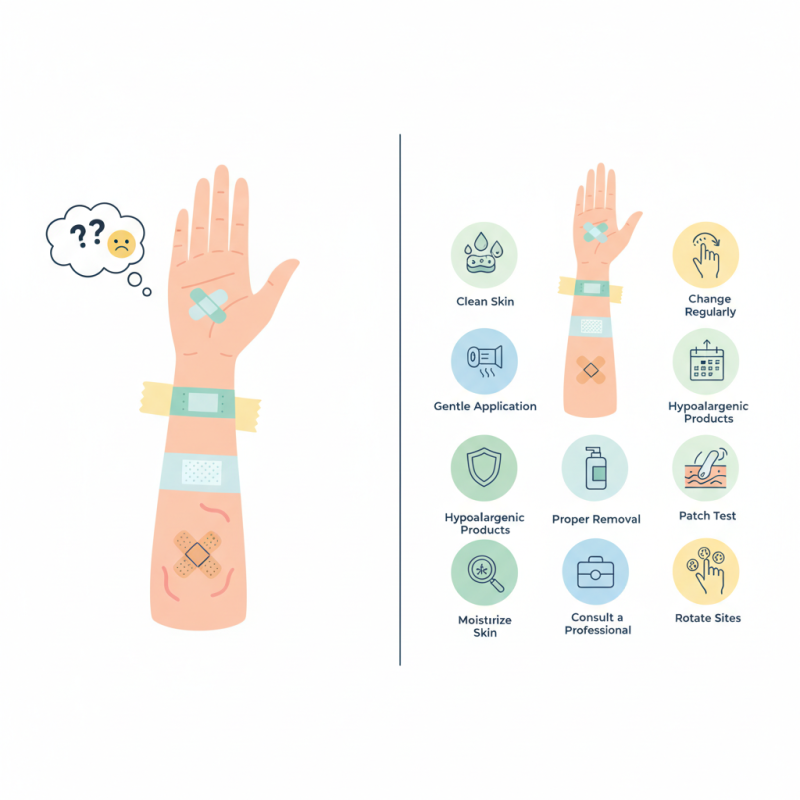
Skin irritation from adhesive materials is a common issue. Research shows that about 50% of people using medical adhesives report some level of irritation. This irritation often manifests as redness, itching, and discomfort. Understanding the underlying causes can help in prevention and treatment.
Adhesives contain various chemicals, which can trigger allergic reactions. Some individuals may react to latex in adhesive products. Exposure to moisture can worsen irritation and skin breakdown. A study published in the Journal of Dermatology indicates that prolonged use of adhesives can lead to dermatitis in sensitive individuals. Notably, skin barrier integrity plays a crucial role in resisting irritants. When the skin barrier is compromised, adhesive materials can easily exacerbate irritation.
Additionally, factors like skin type and application method can influence reactions. Sensitive skin may respond differently than tougher skin types. Taking time to patch test new products is recommended. Pay attention to how your skin feels after applying adhesive materials. Noticing subtle signs early can prevent more severe issues later.
Understanding sensitive skin types is crucial for preventing irritation from adhesive materials. People with sensitive skin often experience redness, itching, or burning after contact with adhesives. This is due to a thinner epidermis or a heightened immune response. Factors such as genetics, environment, and overall skin health contribute to these reactions. Identifying your skin type can help tailor your approach to adhesive use.
Common symptoms of irritation can vary widely. Some may develop hives, while others might notice dryness or flaking. It’s important to test adhesives before full application. A small patch test can reveal skin sensitivity without causing widespread irritation. Individuals should also be aware of environmental triggers like humidity and temperature, which can influence skin reactions. Keeping skin well-moisturized can fortify its barrier, reducing the likelihood of irritation.
Ultimately, maintaining an open dialogue with dermatologists can provide valuable insights. They can offer personalized strategies and recommend safe adhesives for sensitive skin. Observing your skin's reactions over time fosters a deeper understanding, leading to better choices. This journey requires patience and self-reflection to improve your skin's health.
| Tip Number | Tip Description | Recommended for Sensitive Skin Types | Expected Benefit |
|---|---|---|---|
| 1 | Choose hypoallergenic adhesives. | Yes | Reduces risk of irritation. |
| 2 | Conduct a patch test before use. | All skin types | Identifies potential reactions early. |
| 3 | Ensure skin is clean and dry before application. | Yes | Prevents adhesion issues and irritation. |
| 4 | Use adhesive remover instead of pulling it off. | Yes | Minimizes skin damage. |
| 5 | Limit the amount of time adhesives are in contact with skin. | Yes | Lowers chance of skin irritation. |
| 6 | Consult with a dermatologist for personalized advice. | All skin types | Gains professional insights on skin care. |
| 7 | Monitor for signs of irritation regularly. | Yes | Early intervention can prevent severe reactions. |
| 8 | Avoid using multiple adhesives at once. | Yes | Reduces chances of cross-reactivity. |
| 9 | Apply a protective barrier cream if necessary. | Yes | Protects skin from direct adhesive contact. |
| 10 | Stay hydrated and moisturize the skin regularly. | All skin types | Maintains skin health and resilience. |
Choosing the right adhesive products for sensitive skin is crucial for preventing irritation. According to a study by the American Academy of Dermatology, nearly 30% of individuals experience skin reactions to adhesive materials. This underscores the need for careful selection.
When selecting adhesives, look for those labeled hypoallergenic. These products typically contain fewer irritants. A research article published in Contact Dermatitis highlights that ingredients like latex and certain solvents are common culprits of skin irritation. Individuals sensitive to these components should prefer alternatives like silicone-based adhesives, which are generally kinder to the skin.
Consider the application process too. Skin should be clean and dry before applying any adhesive. This minimizes potential reactions. A report from the Journal of Clinical Dermatology shows that improper application increases the risk of irritation by over 40%. Pay attention to your skin’s reaction after use and keep a record of any adverse effects. This self-monitoring can help you make better choices in the future.
Applying adhesive materials safely requires mindful practices to prevent skin irritation. Professionals recommend preparing your skin before application. Clean the area thoroughly to remove oils and dirt, which can interfere with adhesion. Always patch test on a small area first. One report from the Skin Health Alliance finds that about 30% of people experience some form of skin irritation from adhesives. The test can reveal any potential reactions.
Moreover, choose low-irritation adhesive options whenever possible. Look for hypoallergenic adhesives that minimize the risk of skin issues. As highlighted by the Journal of Allergy and Clinical Immunology, these products significantly reduce adverse reactions in sensitive individuals. It's also crucial to apply adhesive materials in a controlled environment. Avoid humid or excessively dry conditions that can impact effectiveness.
Timing matters. Limit exposure to adhesive materials. Prolonged contact increases the likelihood of irritation. Remove adhesives carefully, using a gentle approach. This can lessen the chance of damaging the skin. Remember, adequate moisturizing post-removal soothes the area and aids recovery. Engaging in these best practices can enhance safety and improve experience with adhesive materials.
Skin irritation from adhesive materials can be a common concern. After removing adhesive products, it’s important to care for your skin properly. Here are some effective aftercare tips.
Gently clean the affected area with mild soap and water. Avoid harsh chemicals that can exacerbate irritation. Pat the skin dry with a clean towel. This small step is crucial, as moisture can linger and worsen irritation. Hydration is essential. Apply a calming lotion or cream that contains soothing ingredients like aloe vera or chamomile. These help reduce redness and provide relief.
Use a barrier cream next time you anticipate using adhesives. This prevents direct contact with skin. Test any adhesive on a small skin area first to check for reactions. If irritation occurs, immediately discontinue use. Remember that everyone's skin responds differently. Keep an eye on your skin's reaction over time. Be mindful of any areas that develop a rash or discomfort. Noticing patterns can help identify which materials may be problematic.
: Adhesives contain chemicals that can trigger allergic reactions. Moisture can worsen irritation too.
About 50% of people using medical adhesives report some level of irritation. It's a widespread issue.
Choose hypoallergenic products with fewer irritants. Look for alternatives like silicone-based adhesives.
Proper application is vital. Clean and dry skin minimizes reaction risks. Incorrect application increases irritation chances significantly.
Gently clean the area with mild soap. Apply a soothing lotion to reduce redness and discomfort.
Pay attention to your skin after use. Keep a record of any adverse effects to inform future choices.
No, everyone's skin responds differently. Patch tests on small areas are recommended to check for reactions.
Discontinue use immediately and consider trying a different adhesive. Noticing patterns can guide better choices.
Hydration helps soothe irritated skin. Use calming lotions containing ingredients like aloe vera for relief.
Yes, reactions can differ based on the adhesive type and individual skin sensitivity. Testing is crucial.
Understanding how to prevent skin irritation from adhesive materials involves recognizing the factors that contribute to skin sensitivity. It is essential to identify various skin types and their specific reactions to adhesive products, as those with sensitive skin may require tailored approaches. Choosing the right adhesive products designed for sensitive skin can significantly reduce the likelihood of irritation.
Best practices for applying adhesive materials safely include ensuring that the skin is clean and dry prior to application, as well as avoiding prolonged contact with adhesives. Additionally, effective aftercare plays a crucial role. Proper cleaning of the skin after adhesive removal and using soothing moisturizers can further mitigate irritation. By following these guidelines, individuals can better protect their skin from the adverse effects of adhesives.

Sanva Medical