Cohesive bandaging plays a crucial role in modern medical practice. With its unique properties, it offers numerous advantages. According to a recent report by the World Health Organization, effective bandaging is vital for wound care and recovery. It has been shown that cohesive bandages can improve patient outcomes significantly, especially in sports medicine and trauma care.
Dr. Sarah Thompson, a renowned expert in wound management, emphasizes the importance of these materials, stating, "Cohesive bandaging enhances patient comfort and promotes healing." Her research indicates that patients report higher satisfaction levels when cohesive bandaging is used compared to traditional methods. The benefits of cohesive bandaging in medical use are evident in its ease of application and versatility.
Understanding what are the benefits of cohesive bandaging in medical use paves the way for better healthcare practices. These bandages conform well to body contours, providing support and protection. However, it is essential to recognize potential downsides. Misapplication can lead to complications, emphasizing the need for proper training. Balancing these factors is key to harnessing the full advantages of cohesive bandaging.
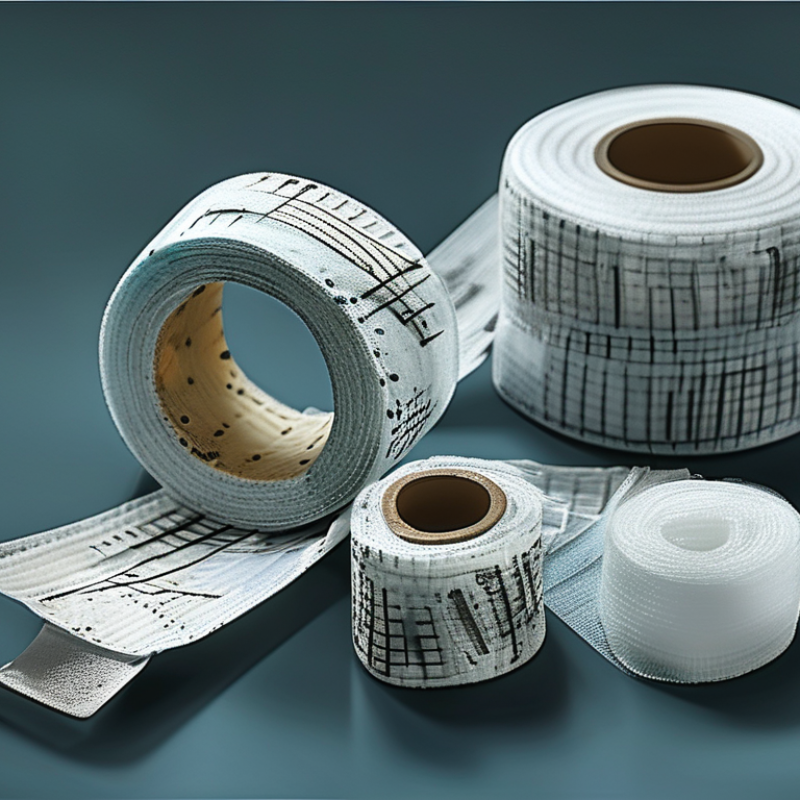
Overview of Cohesive Bandaging in Medical Applications
Cohesive bandaging has transformed medical applications with its unique properties. This type of bandage adheres to itself, offering effective support and compression without sticking to the skin. Cohesive bandages are favored in managing injuries, surgical wounds, and sports-related trauma. According to a report by the National Institutes of Health, cohesive bandaging significantly reduces recovery time for soft tissue injuries by up to 30%.
One notable benefit of cohesive bandaging is its moisture-wicking capability. This feature helps maintain a dry environment, essential for wound healing. Studies indicate that maintaining skin integrity can lower infection rates by nearly 50%. However, improper application can lead to complications, such as skin irritation or inadequate compression. Health professionals must ensure proper technique and check for circulation.
Tips: Ensure the bandage overlaps by 50% for optimal support. Avoid wrapping too tightly to prevent circulation issues. Regularly assess the wrapped area to address any discomfort. Cohesive bandaging can enhance patient comfort and compliance, fostering better healing outcomes. However, continuous education on application methods remains crucial for practitioners.
Enhanced Comfort and Skin Protection with Cohesive Bandaging
Cohesive bandaging offers remarkable support, especially in medical settings. One primary benefit is its ability to enhance comfort. This type of bandaging conforms to the body, minimizing irritation. It adapts to movements, allowing the user to remain active without discomfort. The soft texture reduces friction against the skin, promoting better healing.
Skin protection is another key advantage. Cohesive bandages create a barrier against dirt and bacteria. This shielding helps prevent infections in wounds. Unlike traditional bandages, cohesive wraps are less likely to slip. This stability means wearers can trust that their injuries are secure. However, getting the right tension can be tricky. Over-tightening may cause swelling or hurt the area.
Tips: Always clean the skin before applying the bandage. This ensures adherence and hygiene. Monitor the area for any signs of irritation. Adjust the tightness if necessary, especially after movement. Remember, it is okay to make adjustments. Learning how to apply cohesive bandaging effectively takes practice.
Improved Mobility and Flexibility for Patients
Cohesive bandaging plays a vital role in enhancing patient mobility and flexibility. It offers support while allowing for natural movement. This balance is crucial for rehabilitation. When patients have sufficient support, they feel secure moving around. This confidence boosts their overall recovery.
Improved mobility is not just about physical movement. It is also about psychological benefits. When patients can move freely, they are less anxious. This can lead to a more positive outlook on their treatment. The comfort from cohesive bandages provides reassurance during everyday activities. Patients can engage in light exercises sooner, promoting better healing.
However, challenges remain. Not all cohesive bandages fit perfectly for every patient. Some may feel too tight, restricting movement instead of enhancing it. This discomfort can be counterproductive. It is essential to tailor bandaging to individual needs, ensuring a balance between support and flexibility. Proper application requires skill and experience, which can vary among healthcare providers.
Reduced Risk of Infection through Cohesive Bandaging
Cohesive bandaging presents a significant advantage in medical care. One key benefit is its ability to reduce the risk of infection. When wounds are exposed, bacteria can easily enter. Cohesive bandages create a tighter barrier, protecting the injury from contaminants. This is vital for ensuring proper healing.
Your method of application matters. Make sure to clean the wound before applying the bandage. Apply it gently but securely. Avoid too much tension; it can decrease blood flow. Too little may let dirt in. Always check the bandage for moisture. A damp bandage can foster bacteria growth. Replace it when necessary to maintain a sterile environment.
Remember, cohesive bandaging should not be too tight. If the area becomes cold or numb, adjust immediately. Maintaining circulation is crucial for healing. Protecting the wound with cohesive bandages is a straightforward approach to infection prevention. While they offer solid protection, always consult with a healthcare professional for complex wounds.
Cost-Effectiveness and Accessibility of Cohesive Bandages
Cohesive bandages are a valuable tool in medical care. Their cost-effectiveness is a significant advantage. Unlike traditional dressings, they are often more affordable. This accessibility makes them popular in clinics and home care. Many patients find them easy to apply without special training. This ease can reduce hospital visits, showcasing their practicality.
In addition to cost, cohesive bandages offer flexibility. They conform to various body parts, providing support and comfort. This adaptability is crucial for individuals recovering from injuries. However, not all bandages perform equally. Some may not stick well enough, leading to frustrated users. Understanding these nuances can improve patient outcomes.
Accessibility also extends to purchasing options. Many cohesive bandages are available over-the-counter, enhancing their reach. Yet, the price point can still be daunting for some. For communities with limited resources, this may pose a barrier. Addressing these challenges is vital for maximizing the benefits of cohesive bandaging in healthcare.
FAQS
: Cohesive bandaging enhances comfort and skin protection. It conforms to the body, reducing irritation.
It offers support while allowing natural movement. Patients feel more secure and less anxious.
Always clean the skin first. This promotes better adherence and hygiene.
Yes, if too tight, they can restrict movement. Tailoring is essential for each patient's needs.
They create a barrier against dirt, preventing infections and promoting healing through comfort.
Generally, yes. They are often more cost-effective and can be applied without special training.
Some bandages may not stick well or fit perfectly. Adjustments may be needed for better comfort.
Yes, checking for irritation is important. Adjust tightness if necessary after any movement.
The comfort provided can lead to a positive outlook, reducing anxiety during recovery.
While many are available over-the-counter, pricing can still be a barrier for some.
Conclusion
Cohesive bandaging has become increasingly important in medical applications, offering several key advantages. First, what are the benefits of cohesive bandaging in medical use? One significant benefit is enhanced comfort and skin protection, as these bandages conform to the body, reducing irritation and safeguarding the skin from friction. Additionally, cohesive bandages provide improved mobility and flexibility for patients, allowing for greater range of motion without compromising support.
Moreover, the use of cohesive bandaging can lead to a reduced risk of infection, as they provide a secure barrier against external contaminants. Lastly, the cost-effectiveness and accessibility of cohesive bandages make them a practical choice for both healthcare providers and patients. Overall, cohesive bandaging is an invaluable tool in medical treatment, enhancing patient care through comfort, safety, and efficiency.

 Sanva Medical