When it comes to joint stability, applying support wraps correctly is crucial. Dr. Sarah Thompson, a leading physiotherapist, emphasizes, “Proper application ensures that support wraps enhance stability without restricting movement.” Understanding how to apply support wraps correctly for joint stability can make a significant difference in recovery and performance.
Incorrect application may lead to injury or discomfort. Wraps that are too tight can restrict blood flow. Conversely, those that are too loose might not provide the necessary support. Knowing the right techniques ensures that athletes can perform at their best without risking harm. Attention to detail is essential.
Improvement comes from practice and constant learning. Reflecting on past experiences can help refine technique. All athletes, regardless of skill level, should prioritize mastering this skill. Joint stability is foundational for any sport; thus, it's vital to understand how to apply support wraps correctly for joint stability.
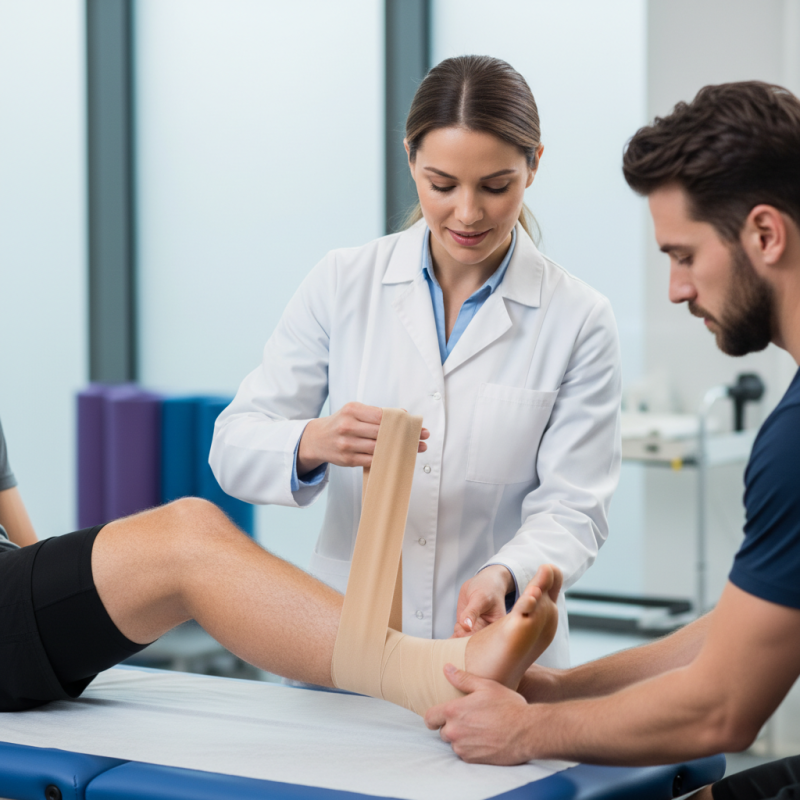
Joint stability plays a crucial role in sports and fitness. According to a 2021 report by the American Journal of Sports Medicine, over 50% of sports injuries are related to joint instability. This statistic highlights the importance of maintaining strong, stable joints. Athletes with unstable joints are more likely to experience sprains or tears. These injuries can set training back significantly.
Applying support wraps correctly is vital for joint protection. An improperly applied wrap can lead to additional strain, creating more issues than it resolves. The National Athletic Trainers' Association emphasizes that wraps should provide compression without restricting blood flow. Understanding the anatomy of your joints can also help in choosing the right support method. For example, the knee joint is particularly vulnerable during sports like soccer or basketball, where pivoting occurs frequently.
Reflect on your wrapping technique. Many athletes overlook checking peg or pinch points, which can cause discomfort or hinder performance. Progress may stall if wraps are too tight or loose. Regular assessments of your technique can help maintain joint health, improving both performance and recovery.
Support wraps play a crucial role in maintaining joint stability. Different types of materials offer various benefits for specific uses. For instance, elastic wraps provide compression, which reduces swelling and enhances blood circulation. This type is ideal for minor injuries or joint strains. In contrast, rigid wraps, often made from plaster, are used when immobilization is necessary, such as in fractures.
When choosing a support wrap, consider the specific purpose. For high-impact activities, neoprene wraps can offer warmth and flexibility. They are great for sports injuries, providing support while allowing movement. Always ensure the wrap is snug but not too tight; circulation must not be restricted.
Tip: Before applying a wrap, clean the skin. This prevents irritation and promotes better adhesion. After using a wrap, take time to assess your joint's condition. If pain persists, consult a healthcare professional. Remember, proper use is essential for maximum benefit.
| Type of Support Wrap | Material | Specific Use | Joint Stability Level |
|---|---|---|---|
| Elastic Bandage | Cotton blend | General sprains and strains | Moderate |
| Neoprene Wrap | Neoprene with nylon | Joint compression and heat retention | High |
| Kinesiology Tape | Elastic cotton | Support without restricting movement | Low to Moderate |
| Rigid Tape | Cotton with strong adhesive | Immobilization of joints | Very High |
| Compression Sleeves | Elastic fabric | Swelling reduction and support | Moderate |
Applying support wraps correctly is essential for ensuring joint stability. Start by choosing the right type of wrap. Optimal materials should be breathable and stretchy. A poorly selected wrap can cause discomfort or inadequate support.
Begin application by placing the wrap at the base of the joint, overlapping each layer slightly. This method allows for even tension throughout. Make sure not to pull too tightly; constricting blood flow is a common mistake. Keep in mind that too loose a wrap may not provide sufficient support either.
Check for any discomfort. If the area feels numb or tingly, adjust the wrap immediately. Reinforcement can be tricky. Sometimes, users may feel overconfident and skip important steps. Ensure each layer is secure but not too restrictive. Reflect on the comfort level as you move. Proper application takes practice and attention.
Understanding the effectiveness of support wraps is crucial for promoting joint stability. The chart above illustrates the stability percentage of various joints when properly applied support wraps are used.
Using support wraps correctly is essential for
joint stability. However, many individuals make common mistakes that can compromise effectiveness.
One major mistake is wrapping too tightly. Over-compression can restrict blood flow, leading to
numbness or pain. Another frequent error is improper placement. Failing to cover the joint fully can
lead to instability during movement.
Additionally, neglecting to adjust the wraps for different activities can be detrimental. For instance,
what works for lifting weights may not be suitable for running. Each activity requires specific support.
Users often underestimate the importance of ensuring the wrap aligns with their body’s contours.
A loose wrap can offer little support,
while an overly tight wrap can cause discomfort.
Lastly, people sometimes forget to maintain their wraps. Worn-out materials
may lose elasticity. This deterioration can lead to inadequate support. It’s crucial to check wraps regularly
and replace them when needed. Reflecting on these mistakes can significantly enhance the experience of
using support wraps and contribute to better joint health.
Properly applied support wraps can significantly enhance joint stability and contribute to injury prevention. Studies indicate that over 25% of sports injuries involve joints, often resulting from inadequate support during activity. Effective wrapping techniques can minimize this risk, providing essential compression without restricting blood flow. According to research published in the Journal of Sports Medicine, athletes who use support wraps correctly reduce their chances of injury by 30%.
When applying support wraps, it's vital to start at the base of the joint. Gradually work your way up, ensuring consistent tension. This method allows for proper compression. Incorrect application can lead to swelling or reduced range of motion. Therefore, educate yourself before use.
Tip: Practice wrapping on yourself or with a partner to perfect your technique. Observe how tight you’re wrapping. Too loose won’t provide support. Too tight will restrict circulation. Pay close attention to how your joint feels during activity. If you experience any numbness or increased pain, adjust your wrap immediately.
Using support wraps can also offer psychological benefits. They provide reassurance that the joint is stable. Yet, they should not be a substitute for proper strength training. Building muscle around joints is crucial. Always listen to your body and address pain thoughtfully. Discomfort is a signal to adjust your approach.
: Look for wraps that are breathable and stretchy. A poorly chosen wrap can cause discomfort.
Begin applying the wrap at the base of the joint. Overlap each layer slightly for even tension.
Avoid wrapping too tightly to prevent constricting blood flow. A wrap that is too loose offers inadequate support.
If the area feels numb or tingly, adjust the wrap immediately. Comfort is key during application.
No, different activities require specific support. What works for lifting may not be effective for running.
Regularly inspect your wraps for wear and tear. Replace them when they lose elasticity for proper support.
A frequent error is failing to cover the joint fully. This can lead to instability during movement.
Practice is essential. Reflect on your comfort level and adjust as necessary for better joint support.
Skipping steps can compromise the effectiveness of the wrap. It’s crucial to follow guidelines carefully.
Worn-out materials can lose elasticity, leading to inadequate support. Check and replace wraps regularly.
The article "Why You Need to Apply Support Wraps Correctly for Joint Stability" emphasizes the critical role of joint stability in sports and fitness activities. It delves into various types of support wraps, detailing the materials used and their specific applications, which are essential for ensuring optimal support during physical exertion. A well-structured step-by-step guide is provided to educate readers on how to apply support wraps correctly for joint stability, highlighting techniques that enhance effectiveness and safety.
Additionally, the article outlines common mistakes made while using support wraps, offering practical tips on how to avoid them. By understanding these key aspects, individuals can significantly benefit from properly applied support wraps, thereby preventing injuries and promoting greater stability during workouts and sports. The insights shared serve as a valuable resource for athletes and fitness enthusiasts looking to enhance their performance while safeguarding their joints.

Sanva Medical