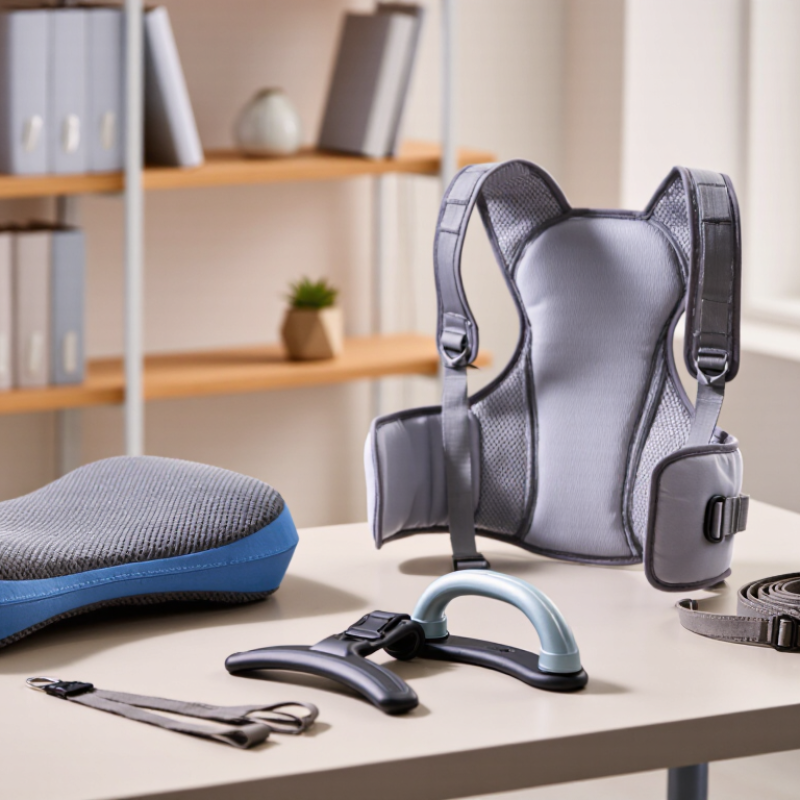
Choosing the right support product can shape daily comfort, safety, and confidence. Whether it is a mobility aid, ergonomic brace, medical support cushion, or workplace assistance tool, quality matters beyond appearance. A strong product should solve a real problem without creating new discomfort.
Many buyers ask, “what are the key features of high-quality support products?” The answer usually begins with thoughtful design, reliable materials, proper fit, and practical usability. A well-made support product should feel stable against the body, remain comfortable during extended use, and provide consistent assistance when pressure increases. Breathable fabric, reinforced seams, adjustable straps, and clear instructions can make a noticeable difference. Small details matter.
Experience also shows that no product suits everyone. A support designed for occasional use may fail under daily demands. A lightweight brace might feel comfortable, yet offer too little stability for intensive activity. This is where professional guidance, accurate measurements, and honest product testing become valuable. User reviews can reveal useful patterns, but they should not replace advice from qualified healthcare or rehabilitation professionals.
The seven best features discussed in this guide focus on durability, comfort, adjustability, safety, ease of cleaning, effective support, and value over time. These qualities are connected. For example, poor ventilation can reduce comfort, while difficult adjustments may prevent correct use. Even high-quality products have limitations. That deserves attention. A reliable buying decision considers the user’s condition, routine, environment, and expectations rather than trusting impressive packaging alone.
What High-Quality Support Products Are and Who Uses Them
High-quality support products help people solve problems clearly, quickly, and safely. They include knowledge bases, live-chat tools, help desks, training guides, and accessible self-service features. Their users are not only customers. Support agents, IT teams, managers, and small business owners rely on them daily. A 2024 State of Service report found that 73% of service professionals expect artificial intelligence to improve their work. However, human judgment still matters during emotional or unusual cases.
Reliable support products share several practical features. They offer accurate instructions, simple navigation, multilingual access, and clear escalation paths. They also protect user data and record each interaction for quality checks. The 2024 Customer Experience Trends Report reported that many consumers expect faster, more personalized assistance, yet speed alone cannot repair confusing advice. From my experience, the strongest systems make the next action obvious. They also admit uncertainty. That is often overlooked.
Tips:
Test the product with a new user. Watch where they hesitate. Measure resolution time, repeat questions, accessibility, and customer satisfaction. Do not trust one metric. A short survey may look positive while agents quietly struggle with outdated content. Review articles every month, especially after policy or product changes. Keep a human option visible. Small details build trust.
How Reliable Materials and Safe Design Improve Product Performance
Reliable materials are the quiet foundation of high-quality support products. For braces, lifting supports, and seating aids, material choice affects pressure, stability, skin comfort, and service life. The World Health Organization reported that low back pain affected 619 million people in 2020. That figure makes dependable support more than a comfort feature. It becomes a practical performance requirement.
Engineers should verify tensile strength, fatigue resistance, moisture behavior, and repeated-load performance before production. A soft surface may feel comfortable today, yet compress permanently after weeks of use. That failure is easy to miss. The U.S. Bureau of Labor Statistics recorded about 1.2 million private-industry cases involving days away from work in 2022. Better support design may help reduce avoidable physical strain, although it cannot replace proper training or medical advice.
Safe design turns material reliability into usable performance. Edges should be rounded, seams should avoid pressure points, and fasteners should resist accidental release. Adjustments need tactile feedback, not confusing labels. ISO 12100 emphasizes risk reduction through inherently safe design and protective measures. Hands-on fit tests with different body sizes reveal problems that calculations miss. We should admit one weakness: laboratory loading rarely captures sweat, rushed fitting, or overnight movement. Field feedback matters. Manufacturers that document test methods, inspection intervals, and material limits give users evidence, not promises.
7 Best Features of High-Quality Support Products
How reliable materials and safe design improve product performance
This normalized 0–100 evaluation model compares the practical contribution of seven quality features. Reliable materials and reinforced construction support durability, while ergonomic fit, load distribution, adjustability, breathability, and easy maintenance improve safety, comfort, and consistent long-term performance.
Why Comfort, Accessibility, and Ease of Use Matter
7 Best Features of High Quality Support Products
Why Comfort, Accessibility, and Ease of Use Matter
A high quality support product should feel stable, soft, and simple to adjust. The seven essentials are comfort, secure fit, breathable materials, clear controls, lightweight construction, accessible design, and easy cleaning. These features matter during real routines, not only during product demonstrations. The World Health Organization reports that more than 2.5 billion people need assistive products worldwide. That number may exceed 3.5 billion by 2050. Support products must therefore serve different bodies, abilities, homes, and daily habits.
Comfort prevents small problems from becoming daily barriers. A rough edge can irritate skin after several hours. A confusing buckle can make independent use impossible. Accessible products use readable labels, tactile cues, simple instructions, and adjustable components. They should work with limited grip strength, reduced vision, or tired hands. The WHO and UNICEF Global Report on Assistive Technology also stresses availability, affordability, and user-centred design. A product can be technically strong yet still fail in a small bathroom or crowded bedroom. I have seen this gap often. Real environments are less tidy than product testing rooms.
Tips: Test the product while sitting, standing, and moving. Check pressure points after thirty minutes. Try every adjustment with one hand. Washable covers are useful. However, “universal fit” is rarely truly universal. Measure carefully, invite user feedback, and review the design when comfort changes.
How Durability, Maintenance, and Adaptability Affect Long-Term Value
High-quality support products earn their value through dependable performance, not appearance alone. Durability starts with strong materials, stable joints, and construction suited to repeated daily loads. A support should resist moisture, friction, and temperature changes when used in demanding environments. Small details matter. Loose fasteners, thin padding, or weak adjustment points can shorten service life quickly.
Maintenance affects both safety and cost. Clear cleaning instructions help users prevent buildup, corrosion, and material fatigue. Regular inspections should check seams, hinges, screws, grips, and connection points. Replace worn parts before they affect stability. In practice, many products fail because maintenance is delayed, not because the original design is poor. That assumption deserves attention. A simple inspection record can reveal repeated problems and support responsible purchasing decisions.
Adaptability also shapes long-term value. Adjustable height, interchangeable components, and flexible mounting options allow one product to serve changing needs. Fit changes over time. Users may require different settings after relocation, increased workload, or physical changes. However, too many adjustments can create confusion and misuse. Designs should make correct settings easy to identify, preferably through clear markings and accessible instructions. Independent testing, transparent load information, and evidence from real-world use improve confidence. No product is perfect. A durable support still needs proper installation, careful use, and occasional professional assessment.
How Testing, Standards, and User Feedback Define Product Quality
7 Best Features of High Quality Support Products?
How Testing, Standards, and User Feedback Define Product Quality
High-quality support products begin with controlled testing, not attractive packaging. Engineers should test load, wear, heat, moisture, and repeated use. A product that survives one laboratory trial may still fail beside a hospital bed or on a crowded worksite. ISO 9001:2015 encourages documented processes, corrective action, and measurable improvement. The ISO Survey 2023 recorded more than 1.26 million ISO 9001 certificates worldwide, showing how widely structured quality systems are used.
Standards create a dependable baseline, but they cannot predict every user experience. The 2023 World Quality Report found that quality engineering is increasingly linked with customer experience and continuous feedback. That connection matters. A loose handle, unclear adjustment, or difficult cleaning process can reveal more than a passing inspection. Field teams should record failure conditions, repair frequency, and the user’s environment. Short surveys help, too.
Real users are not always consistent.
That is the uncomfortable part.
Some feedback is incomplete, emotional, or difficult to reproduce. It still deserves investigation. Combining complaint records with test results can expose patterns that engineers miss. Reviewers should also question their own assumptions, especially when a product performs well in controlled conditions but feels awkward during daily use. Quality is not proven by one certificate or one successful test. It is built through repeatable evidence, transparent revisions, and feedback that sometimes challenges the original design.
FAQS
They help users solve problems clearly, quickly, and safely. Examples include knowledge bases, help desks, training guides, and seating aids. The next action should feel obvious. Sometimes it does not.
Customers, support agents, IT teams, managers, and small business owners use them daily. Each group needs different information and controls. A new user may hesitate at a simple menu.
Reliable systems provide accurate instructions, simple navigation, language access, and clear escalation paths. They protect personal data and record interactions for quality checks. Fast answers are not always useful.
Test it with someone unfamiliar with the product. Watch where they pause, click incorrectly, or ask repeated questions. Measure resolution time, accessibility, and satisfaction. One positive survey can hide serious agent problems.
Materials affect pressure, stability, skin comfort, and service life. Engineers should test tensile strength, moisture behavior, fatigue resistance, and repeated loads. Soft padding may feel pleasant today. It can compress later.
Rounded edges, secure fasteners, and seams away from pressure points improve safety. Adjustments should provide tactile feedback and clear markings. Fit tests with different body sizes can reveal missed problems. Calculations alone are incomplete.
Follow clear cleaning instructions and inspect seams, hinges, screws, grips, and connection points. Remove buildup before it causes damage. Replace worn parts before stability changes. Delayed maintenance causes many avoidable failures.
Adjustable height, interchangeable parts, and flexible mounting options can support changing needs. Too many settings may create confusion and misuse. Mark the correct position clearly. A durable product still needs proper installation and periodic assessment.
Artificial intelligence can improve speed and organize routine requests. Human judgment remains important during emotional, unusual, or uncertain cases. Keep a human option visible. Automated advice can still be wrong.
Ask for test methods, inspection intervals, material limits, load information, and real-world feedback. Review maintenance requirements and replacement parts. Evidence is stronger than promises. No product is perfect.
Conclusion
High-quality support products are designed to help people maintain comfort, stability, mobility, or independence in daily life. What are the key features of high-quality support products? They typically include reliable materials, safe and thoughtful design, ergonomic comfort, accessibility, and simple operation. These qualities help users feel secure while reducing unnecessary strain and making the product suitable for a wide range of needs and abilities.
Long-term value also depends on durability, easy maintenance, and adaptability as users’ circumstances change. A well-made support product should perform consistently, remain practical over time, and be easy to clean, adjust, or repair. Careful testing, recognized safety standards, and genuine user feedback further help confirm its quality. Together, these factors create support products that are dependable, comfortable, safe, and useful in everyday situations.

 Sanva Medical