Recovering after surgery is rarely a straight line. One morning may feel manageable; the next may bring swelling, fatigue, or limited movement. That uncertainty makes practical support materials valuable. Compression garments, positioning pillows, mobility aids, shower chairs, and wound-care supplies can reduce daily strain. However, the best choice depends on the procedure, incision location, mobility, and medical instructions.
Dr. Julie K. Silver, a rehabilitation physician and founder of Oncology Rehab Partners, has said, “Rehabilitation is not a luxury; it is a necessity.” Her statement reflects an important principle: recovery support should begin with function, not appearance or convenience. Learning how to use support materials for post-surgery recovery can help patients move safely, rest comfortably, and protect healing tissues. Yet no product replaces professional assessment. A device that helps one patient may cause pressure, poor posture, or unnecessary dependence in another.
This guide reviews seven commonly recommended support materials and explains their practical roles. You will see where each item may help, what warning signs deserve attention, and which questions to ask your surgeon or physical therapist. Small details matter. A pillow under the knees can reduce pulling. A shower chair can prevent a risky twist. Still, the advice is not perfect for every body. Product quality varies, instructions can be confusing, and recovery plans may change quickly. Use these suggestions as a starting point, then adjust them with qualified clinical guidance.
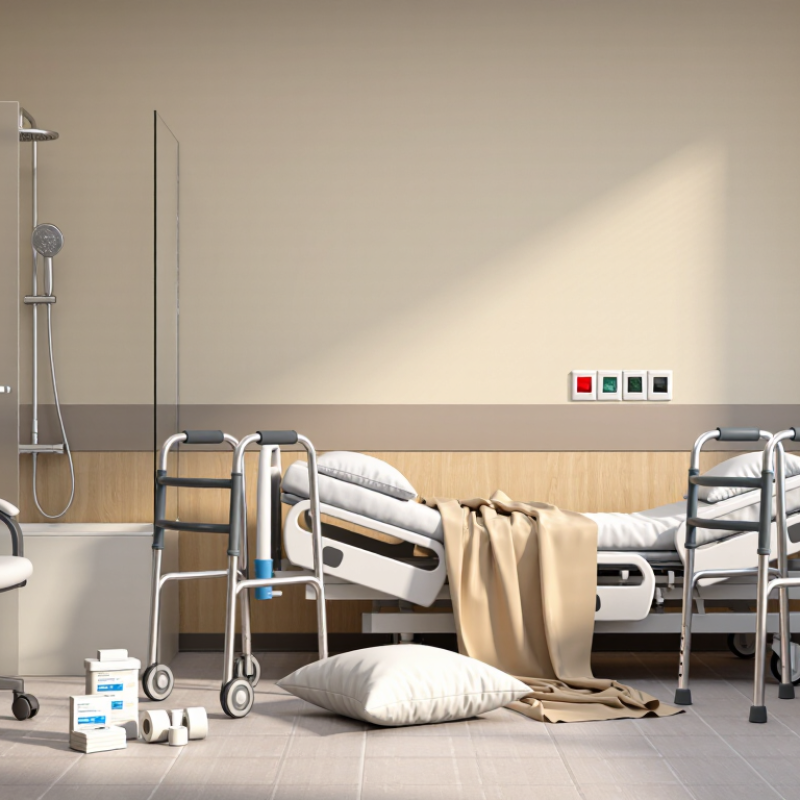
After surgery, recovery support should match four practical needs: pain control, mobility, wound care, and safety. Useful materials may include a cold pack, supportive pillows, a walker or cane, prescribed dressings, a shower chair, grab bars, and a medication organizer. Each item solves a specific problem, but none replaces medical advice.
Pain can make small movements feel exhausting. A cold pack wrapped in cloth may reduce swelling when approved by your care team. Pillows can support an elevated limb or protect a tender incision during sleep. For mobility, use the walking aid fitted by a clinician, not one borrowed from a relative. Keep pathways clear, especially near the bed and bathroom. I once underestimated loose rugs; they can turn a careful step into a serious fall.
Wound care requires clean supplies, dry storage, and careful hand hygiene. Follow the exact dressing schedule provided after surgery. Do not apply creams or remove coverings without professional guidance. A shower chair and grab bars can reduce slipping, while a medication organizer may prevent missed doses or accidental repeats. Watch for increasing redness, warmth, drainage, fever, worsening pain, chest discomfort, or shortness of breath. Seek medical help promptly if these appear. Recovery is rarely perfectly organized. Plans may need adjustment after pain, dizziness, or limited movement changes the day.
| Support Material | Primary Recovery Need | Typical Use | Potential Benefit | Important Safety Considerations |
|---|---|---|---|---|
| 1. Positioning Wedge or Adjustable Pillow | Pain management, rest, and breathing comfort | Supports the upper body, knees, or surgical area during sleep and rest. | May reduce strain when changing position and help maintain a comfortable posture. | Do not place pressure directly on an incision. Avoid excessive hip or knee flexion if restricted by the surgical team. Keep bedding clear of the face and airway. |
| 2. Reusable Cold Pack with Protective Cover | Pain, swelling, and inflammation | Applied near, but not directly on, the affected area during the early recovery period when approved. | Cold therapy can temporarily reduce pain and localized swelling. | Wrap the pack in cloth, follow the clinician’s recommended duration, and check the skin regularly. Do not use over numb skin, open wounds, poor circulation, or areas where cold therapy is contraindicated. |
| 3. Walking Aid, Such as a Walker or Cane | Mobility, balance, and fall prevention | Used during standing and walking when strength, balance, or weight-bearing ability is limited. | Can improve stability and support gradual, prescribed movement. | The correct device and height should be selected by a clinician or physical therapist. Inspect rubber tips, use on suitable surfaces, and follow weight-bearing restrictions exactly. |
| 4. Shower Chair and Handheld Shower Head | Safety, hygiene, and energy conservation | Allows bathing while seated, particularly when standing is painful or tiring. | Reduces prolonged standing and may lower the risk of slipping or overexertion. | Use a stable, level chair with non-slip feet and keep the floor dry where possible. Confirm when the incision may get wet and avoid soaking until cleared. |
| 5. Grab Bars and Raised Toilet Seat | Transfers, toileting, and fall prevention | Provides leverage and support when sitting down, standing up, or moving in the bathroom. | May reduce bending, twisting, and the effort required during essential transfers. | Grab bars must be securely anchored to the wall or an approved support structure. Do not rely on towel racks. Follow any hip, knee, abdominal, or spinal movement restrictions. |
| 6. Sterile or Clinician-Approved Wound-Care Supplies | Incision protection and wound care | May include dressings, medical tape, gloves, saline, and a disposal container when prescribed or instructed. | Supports clean dressing changes and helps protect the incision from friction or contamination. | Use only the products and technique recommended by the surgical team. Wash hands before care, do not apply unapproved creams or antiseptics, and seek advice for increasing redness, drainage, separation, fever, or worsening pain. |
| 7. Medication Organizer and Recovery Log | Medication safety, symptom monitoring, and communication | Records medication times, pain levels, temperature if advised, mobility, wound observations, and questions for follow-up visits. | May help prevent missed or duplicated doses and make changes in recovery easier to report. | Use the prescribed dose and schedule only. Do not combine medicines or add supplements without checking with a qualified professional. Keep medications away from children and pets. |
Note: The most appropriate support materials depend on the procedure, incision location, medical history, and mobility restrictions. Follow the individualized instructions provided by the surgical and rehabilitation team.
It should feel firm, not painful. Your toes should stay warm and normally colored. Remove it if numbness, deep marks, or increasing pain appears. Tighter is not always better.
No. Their benefits depend on the operation, mobility, circulation, and personal risks. They do not replace prescribed medicine or approved early movement. Poor arterial circulation needs special caution.
They should lie smoothly without rolling, pinching, or folding. Measure your legs again when swelling changes. Check your ankles, heels, and toes each day.
Keep dressings clean and dry. Change them only as instructed by the surgical team. Sterile coverings reduce friction and protect the incision from fluid. Worsening redness, drainage, or pain needs medical advice.
Yes. A wedge pillow can raise your upper body. A knee or leg pillow may reduce pressure overnight. Small positioning changes can make movement less painful, though results vary.
A brace can stabilize a healing joint. It must not restrict circulation. Check for swelling, cold skin, numbness, or unusual color. I might tighten it too much without noticing.
Wrap the cold pack in cloth. Apply it briefly, according to clinical instructions. Never place ice directly on healing skin. Stop if the skin becomes painful, pale, or numb.
Shower covers help keep dressings dry. Walking aids may reduce falls during early movement. Use them as instructed, especially on wet floors or uneven surfaces. Rest still matters.
Post-surgery recovery often requires practical support for pain management, mobility, wound care, comfort, and safety. This guide explains how to use support materials for post-surgery recovery by introducing seven useful options, including compression wear, sterile dressings, supportive pillows, braces, walking aids, positioning tools, and fall-prevention equipment. Each material serves a different purpose and should be selected according to the procedure, the patient’s condition, and medical advice.
The article also discusses how to choose compression materials carefully, considering circulation, swelling, and the potential risk of venous thromboembolism. Mobility and positioning aids are reviewed in relation to gradual activity, safe movement, and fall prevention. Finally, it highlights the importance of clean wound supplies, correct handling, and basic infection-control practices consistent with recognized healthcare safety standards. Used properly, these materials can improve comfort, support independence, and contribute to a safer, more organized recovery process.

 Sanva Medical